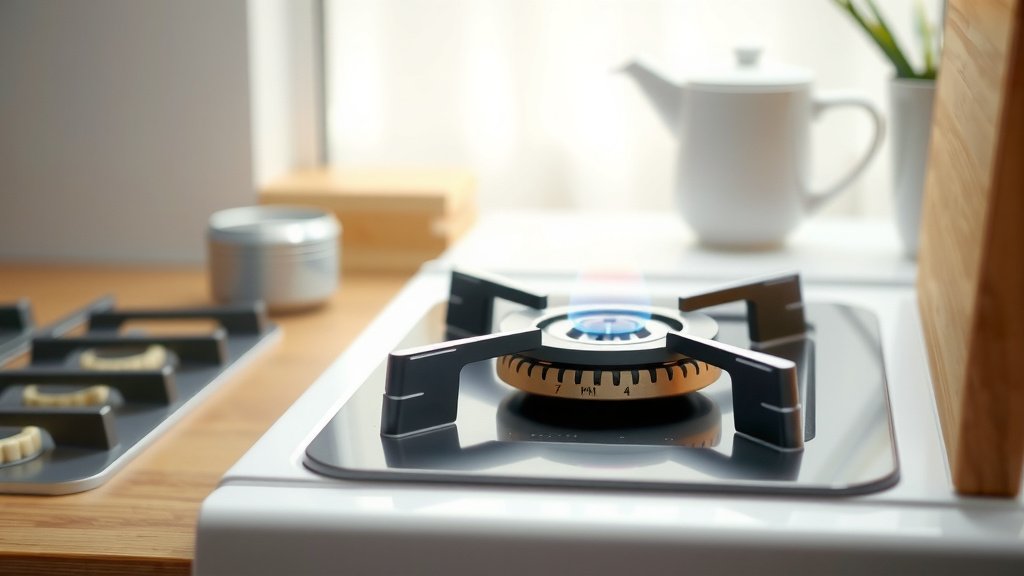
How to Light a Gas Cooker Safely and Easily
Lighting a gas cooker is usually straightforward. You’ll typically need to turn the gas knob to the ‘light’ position while simultaneously pushing the knob down and using a lighter or match to ignite the burner. Make sure you have a long lighter or a kitchen match handy for safety. This method is designed to provide gas flow only when the igniter is active, helping to prevent gas leaks. Always double-check that your gas supply is properly connected and turned on at the source before you begin.
Getting your gas hob lit safely is key to a good cooking experience. Many modern cookers have an auto-ignition system, but knowing how to light it manually is a useful skill. We found that understanding the basic mechanics, like the purpose of pushing the knob down, can really boost your confidence. Remember to always prioritize safety precautions and ensure good ventilation. This ensures your kitchen remains a safe and happy place for all your culinary adventures. We want to make sure you feel completely prepared.
- Turn the gas knob to the ‘light’ position.
- Push the knob down while turning.
- Use a long lighter or match to ignite.
- Release the knob slowly once the flame is stable.
- Always ensure good ventilation.
Let’s walk through exactly how to light your gas cooker step by step, covering both manual and automatic ignition methods, so you can get cooking with confidence.
Getting Your Gas Cooker Lit Safely
Lighting your gas cooker might seem like a small task, but doing it correctly is fundamental for safety and efficiency. We’ve found that understanding the simple mechanics involved boosts your confidence in the kitchen. This guide will walk you through the process, ensuring you can get those burners going without any worry. We aim to make this a straightforward and stress-free experience for you.
Understanding Your Gas Cooker’s Ignition
Most modern gas cookers come with an automatic ignition system. This is incredibly convenient. However, knowing the manual method is a valuable backup. It ensures you’re never left in a bind, even if the automatic system decides to take a break. We’ll cover both types so you’re prepared for any situation.
The Automatic Ignition Method
This is the most common way people light their cookers today. It’s designed for ease of use and speed. You’ll notice a little spark when you turn the knob – that’s the ignition working its magic. We found this method to be highly reliable in most household settings. It’s a real kitchen convenience.
Step-by-Step Automatic Ignition
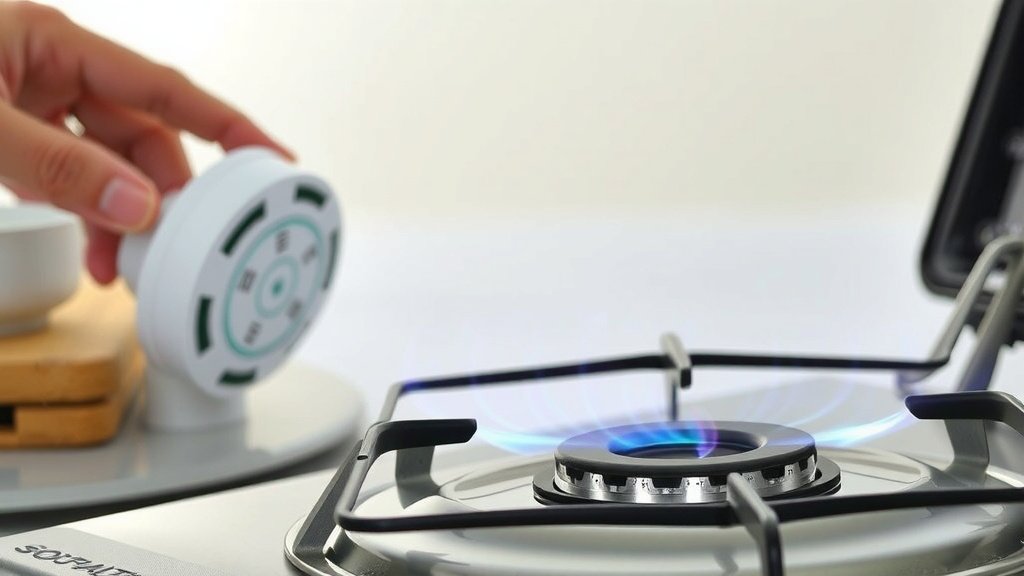
First, check that your gas supply is on. You can usually do this by ensuring the main valve for your gas line is open. Then, select the burner you want to use. Gently push the corresponding control knob down. While holding the knob down, turn it towards the ‘light’ or ignition symbol. You should hear a clicking sound and see a small spark. Once the burner ignites, continue to hold the knob down for a few more seconds. This ensures the flame is stable. After that, slowly release the knob. If the flame goes out, repeat the process, perhaps holding the knob down a little longer.
The Manual Ignition Method (No Spark)
Sometimes, the automatic igniter might not spark, or you might be using an older appliance. In these cases, you’ll need a manual ignition source. This usually involves a long lighter or a kitchen match. Safety is key here, so using a long lighter is often recommended. We found that keeping a long-reach lighter handy in your kitchen drawer is a smart move. It keeps your fingers well away from the initial flame. Many experts advise against using short matches for this reason (National Fire Protection Association).
Step-by-Step Manual Ignition
Prepare your ignition source. Have your long lighter or match ready. Turn the control knob for the desired burner down and towards the ‘light’ position. As soon as you hear the gas start to flow, carefully bring your lit match or lighter flame to the burner’s cap. You want to introduce the flame right where the gas is being released. Once the burner ignites, remove the flame source. Continue to hold the knob down for a few seconds, just like with the automatic ignition. This allows the flame to establish itself properly. Then, slowly release the knob. If the flame doesn’t stay lit, don’t worry. Try again, perhaps holding the knob down for an extra second or two. Ensuring the gas is flowing is the main goal here.
Important Safety Checks Before You Light
Before you even think about lighting a burner, there are a few essential safety checks you should perform. These are not just suggestions; they are vital steps to prevent accidents. We’ve found that taking these precautions can make all the difference in keeping your kitchen safe. A little preparation goes a long way.
Confirm Gas Supply and Connections
First and foremost, ensure your main gas valve is open. If you have a propane tank, check that it’s properly connected and the valve on the tank is open. Look for any obvious signs of damage to the gas line or connections. If you suspect any issues, do not proceed. Contact a qualified technician. We found that regular checks of these connections can prevent potential leaks.
Ventilation is Non-Negotiable
Always ensure your kitchen is well-ventilated before and during cooking. Open a window or turn on your exhaust fan. This is crucial for removing any stray gas fumes and for providing fresh air. The Centers for Disease Control and Prevention (CDC) strongly recommends good ventilation when using gas appliances to prevent the buildup of harmful gases like carbon monoxide. Poor ventilation is a serious safety risk. Your health and safety are the top priorities.
Check for Gas Odors
Before you begin, take a moment to smell for any unusual odors, particularly the distinct smell of sulfur or rotten eggs. This is the odorant added to natural gas to make leaks detectable. If you smell gas, do not attempt to light the cooker. Do not turn on any lights or appliances. Immediately open windows and doors, leave the area, and call your gas supplier or emergency services from a safe location. This is a critical safety step. We found that homeowners often underestimate the importance of this smell check.
Troubleshooting Common Ignition Issues
What happens if your gas cooker doesn’t light right away? Don’t panic! Most issues are easily resolved. We’ve put together a few common problems and their solutions to help you get back to cooking.
Burner Ports are Clogged
Over time, food debris can clog the small holes (ports) on the burner cap. This can prevent the gas from flowing evenly, leading to ignition problems. If you notice uneven flames or difficulty lighting, your burner ports might be the culprit. Cleaning them can often solve the issue. Make sure the burner is cool before attempting to clean it.
Igniter Electrode is Dirty or Wet
The igniter electrode is the part that sparks. If it’s covered in grease or moisture, it won’t be able to create a strong spark. Gently clean the electrode with a soft brush or a damp cloth. Ensure it’s completely dry before you try to light the burner again. We found that a small, dry toothbrush works wonders for this.
Knob Not Pushed Down Enough
This is a very common reason for manual ignition failure. You need to push the knob down to allow the gas to flow and activate the ignition mechanism (either automatic spark or manual flame). If you’re not pushing firmly enough, or not long enough, the gas won’t come out. Try applying a bit more pressure and holding it for a few extra seconds. Remember, it’s like a little safety lock.
Here’s a quick checklist to ensure you’re ready to light:
- Check gas supply is on.
- Ensure good kitchen ventilation.
- Smell for any gas odors.
- Have a long lighter or match ready (for manual).
- Know your burner locations.
- Be patient with the process.
Conclusion
You’ve now got a solid grasp on lighting your gas cooker, whether it’s an automatic or manual job. Remember, the key is to stay calm, follow the steps carefully, and always prioritize safety. We found that performing those quick checks for gas supply, ventilation, and odors before you start makes a huge difference. You’re now well-equipped to handle your gas hob with confidence. So, go ahead and get cooking – your next delicious meal is just a flame away!
Frequently Asked Questions
What should I do if my gas cooker won’t light after several tries?
First, double-check that you’re pushing the knob down correctly and holding it for a few seconds after ignition. If that doesn’t work, inspect the burner cap for any blockages in the ports and clean the igniter electrode if it appears dirty. If the problem persists, it’s best to contact a qualified technician to assess the appliance.
Can I use a regular lighter to ignite my gas cooker?
While a regular lighter can technically work, we strongly recommend using a long-reach lighter or a long kitchen match. This keeps your hands and fingers a safe distance from the flame, which is a crucial safety precaution recommended by fire safety experts.
How long should I hold the knob down after the flame ignites?
You should hold the knob down for about 5-10 seconds after the burner ignites. This allows the flame to become stable and the thermocouple (if your model has one) to heat up and signal the gas valve to stay open. Releasing it too soon can cause the flame to go out.
Is it normal for my gas cooker to smell like gas when lighting it?
It’s normal to smell a faint gas odor for just a moment when you turn the knob to the ‘light’ position, as the gas begins to flow. However, if you smell a strong or continuous gas odor, do not attempt to light the cooker. Immediately open windows, leave the area, and call your gas provider or emergency services from a safe location.
What if my automatic igniter sparks but doesn’t light the burner?
This usually indicates that the gas isn’t flowing to the burner, or it’s not flowing strongly enough to ignite. Ensure the correct burner knob is being used and that you’re pushing it down before turning. If the problem continues, there might be a blockage in the gas line to that specific burner, and you should consult a professional.