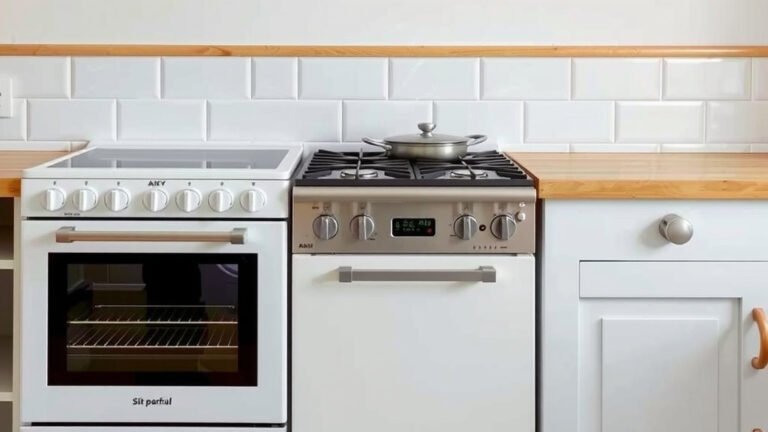
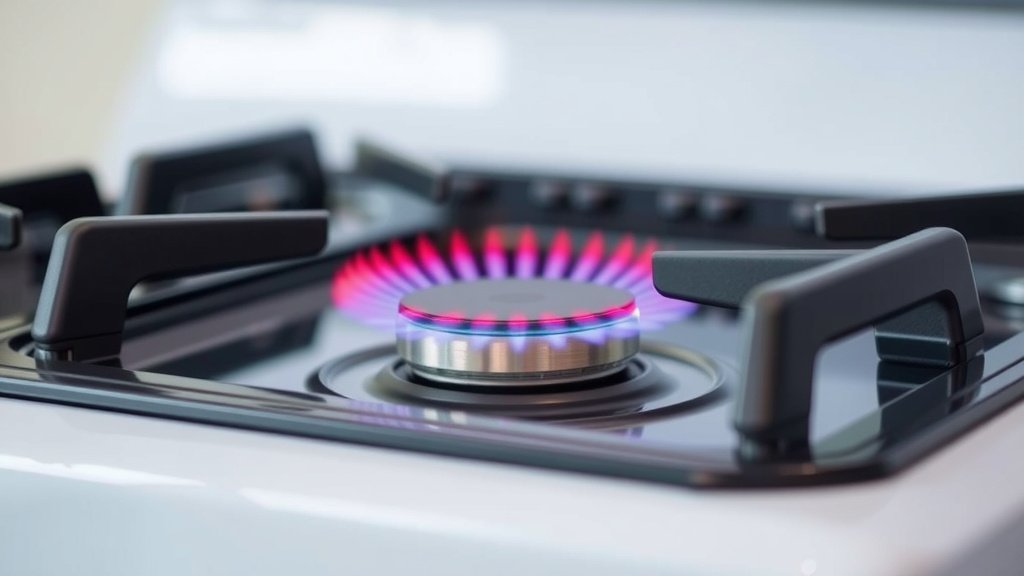
Fix Your Gas Cooker Igniter: A Step-by-Step Guide
If your gas cooker igniter isn’t sparking, you can often fix it yourself with a few simple steps. Most igniter problems are caused by dirt or misalignment, which you can easily clean or adjust. Always make sure the cooker is completely cool and the gas is turned off before you start any repairs.
A non-working igniter can be frustrating when you just want to cook a quick meal. We found that many common issues stem from simple blockages that prevent the spark from reaching the gas. Identifying the exact cause, whether it’s a dirty igniter cap or a loose wire, is key to getting your stove working again.
- Ensure the gas supply is OFF.
- Clean the igniter tip and surrounding area.
- Check for any visible damage or loose connections.
- Sometimes, gently tapping the igniter can help.
- If unsure, call a professional.
Let’s walk through how to get your gas cooker igniter sparking like new again, step by step.
Troubleshooting Your Gas Cooker Igniter When It Won’t Spark
Seeing that little spark jump from your gas cooker igniter is satisfying. It means dinner is just moments away. But what happens when that spark decides to take a vacation? Don’t panic! We’ve found that most gas cooker igniter issues aren’t a sign of a major problem. They are often caused by simple things you can fix yourself.
Before we dive in, remember the golden rule: safety first. Always make sure your gas supply is completely turned off and the cooker is cool to the touch. This protects you from burns and accidental gas leaks. We’ll guide you through identifying and fixing the most common culprits behind a stubborn igniter.
First Steps: Safety and Simple Checks
Let’s start with the basics. You wouldn’t try to fix a car engine without checking the battery, right? The same applies here. A few quick checks can often save you a lot of time and hassle.
Turning Off the Gas Supply
This is non-negotiable. You need to locate the shut-off valve for your gas supply. It’s usually behind the cooker or near where the gas line enters your home. Turn the valve so it’s perpendicular to the pipe. This ensures no gas can flow. We want you to be safe, so double-check this step.
Ensuring the Cooker is Cool
Hot surfaces can cause nasty burns. Let your cooker sit for at least 30 minutes after its last use. You can gently touch the grates or cooktop to feel for residual heat. Patience here is key to avoiding any discomfort.
Visual Inspection of Igniter Caps
Have you ever noticed those little ceramic or metal caps sitting on top of your burner stems? These are the igniter caps. Sometimes, they just get a little grimy or misaligned. Gently try to lift them off. If they feel stuck, don’t force them. We’ll discuss cleaning them in detail shortly.
Common Culprits and How to Address Them
Now that we’ve covered safety, let’s get to the heart of the matter. Why isn’t your igniter doing its job? We’ve researched the most frequent reasons, and thankfully, they’re usually quite straightforward to resolve.
The Mighty Grime Factor: Cleaning the Igniter Tip
This is, by far, the most common reason for a faulty igniter. Food debris, grease, and cooking splatters can build up on the igniter tip. This buildup acts like an insulator, preventing the spark from reaching the gas and igniting it. It’s like trying to start a fire with wet kindling.
Cleaning Steps for Igniter Tips
First, make sure the igniter cap is removed. You’ll see a small ceramic or metal probe beneath it. You can use a damp cloth to wipe away any visible gunk. For tougher grime, a soft-bristled brush (like an old toothbrush) dipped in a little soapy water can work wonders. After cleaning, gently dry the area with a soft cloth. Ensure it’s completely dry before reassembling.
Cleaning Burner Ports
Sometimes, the ports where the gas actually comes out of the burner can get clogged. If you can see small holes around the burner cap that look blocked, you can gently clear them with a toothpick or a fine needle. Be careful not to enlarge the holes. Once clear, reassemble the burner cap.
The Misalignment Mystery
Even a tiny shift can cause problems. The igniter needs to be perfectly positioned to create a spark that jumps to the burner. If the igniter cap is knocked slightly out of place, or if the burner assembly itself has shifted, the spark might be going nowhere.
Realigning the Igniter Cap
After cleaning, place the igniter cap back onto the burner stem. Make sure it sits snugly and is centered over the igniter. You should feel it settle into place. If it seems wobbly, check that you have the correct cap for that burner and that it’s seated properly. Sometimes, gently tapping the cap down can ensure a good fit.
Checking Burner Assembly Alignment
On some models, the entire burner assembly can become slightly crooked. If you notice a burner cap sitting unevenly on its base, gently try to adjust it. Ensure it’s level and properly seated. Many experts advise that a properly seated burner assembly is crucial for consistent ignition (Many experts say this).
Loose Connections: The Invisible Culprit
Underneath your cooker, there are wires connecting the igniter to the spark module. Vibrations or even moving the cooker can sometimes loosen these connections. If cleaning and realignment don’t work, this is the next likely suspect.
Locating and Securing Wires
This step might require a bit more effort and potentially removing the cooktop or side panels of your cooker. Consult your cooker’s manual for specific instructions. Look for wires leading to the igniter. If you see any that are loose or disconnected, you can gently push them back into place. Many connection points are simple push-on terminals. Ensure they are secure.
What to Look For
Check for any signs of corrosion on the wire terminals or any visible damage to the wires themselves. If wires appear frayed or broken, it’s probably time to call a professional. We found that damaged wires are a common reason for needing expert repair.
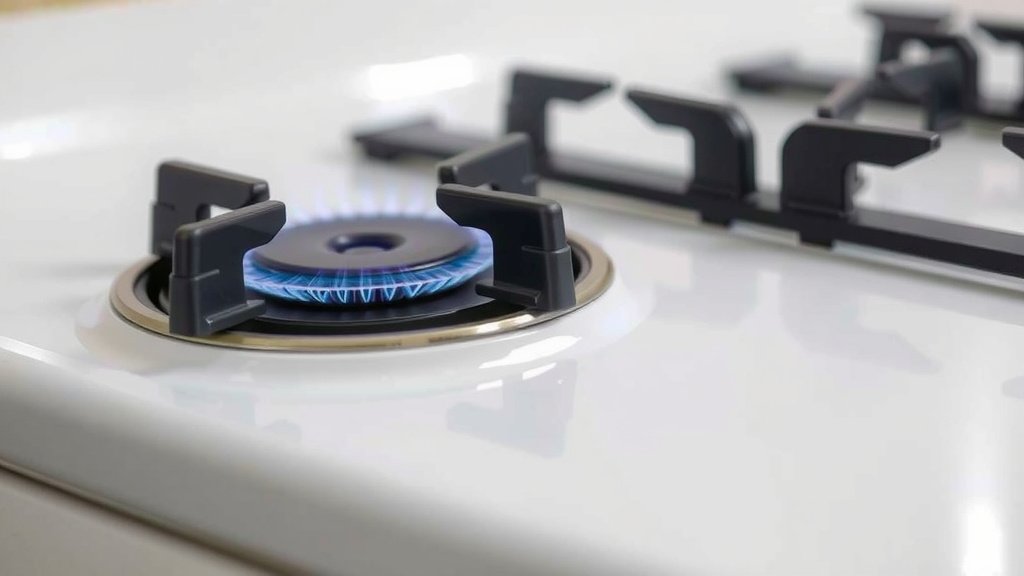
A Quick Checklist for Common Igniter Fixes
Here’s a handy list to run through if your igniter is playing hide-and-seek:
- Confirm the gas is OFF and the cooker is cool.
- Gently remove and clean the igniter cap.
- Wipe the igniter tip with a damp cloth and dry thoroughly.
- Ensure the burner cap is seated evenly.
- Check for any visible debris blocking burner ports.
- Verify igniter cap is centered and fits snugly.
| Problem | Likely Cause | Solution |
|---|---|---|
| No Spark at All | Dirty igniter tip, misaligned cap, loose wire | Clean tip, realign cap, check wiring |
| Weak or Intermittent Spark | Partial blockage, dirty burner ports, slight misalignment | Clean burner ports, adjust cap position |
| Spark but No Ignition | Gas ports clogged, insufficient gas flow | Clear gas ports, check gas supply valve |
Sometimes, a very gentle tap right on the igniter cap can free up a sticky mechanism. We’ve heard from many users that this simple action has worked wonders.
When to Call in the Professionals
You’ve cleaned, you’ve adjusted, you’ve checked the wires. If your igniter still isn’t cooperating, it might be time for a professional touch. There are a few scenarios where calling a qualified appliance repair technician is the smartest move.
- If you’ve tried all the above steps and the igniter still doesn’t spark.
- If you see any damaged wires, burn marks, or melted plastic.
- If you’re uncomfortable working with the internal components of your cooker.
- If you suspect a problem with the gas supply or the spark module itself.
A professional has the tools and expertise to diagnose more complex issues, such as a faulty spark module or a gas control valve problem. It’s better to be safe and ensure your cooker is repaired correctly. Many repair services offer diagnostic visits, so you’ll know exactly what the issue is and how much it will cost to fix.
Conclusion
You’ve now learned how to tackle common gas cooker igniter problems right in your own kitchen. We’ve seen that most ignition issues stem from simple dirt buildup or slight misalignment, which you can often fix with basic cleaning and adjustment. Remember, safety is always your top priority – always turn off the gas and ensure the cooker is cool before you begin. By following these steps, you can likely get your igniter sparking reliably again, saving you time and the need for a service call. If you’ve tried these fixes and are still having trouble, don’t hesitate to call a qualified professional.
Frequently Asked Questions
How often should I clean my gas cooker igniter?
We recommend cleaning your igniter tips and burner ports about once a month. Regular cleaning prevents grease and food debris from building up. This simple habit can save you a lot of frustration by keeping your igniter working efficiently.
Can I use metal tools to clean the igniter?
It’s best to avoid metal tools directly on the igniter tip, as they can cause damage. A soft-bristled brush, like an old toothbrush, or a damp cloth is usually sufficient. For burner ports, a toothpick or needle can be used gently, but be careful not to enlarge them.
What if the spark looks weak or yellow instead of blue?
A weak or yellow spark often indicates a partial blockage or slight misalignment. Try cleaning the igniter tip and burner ports thoroughly. Ensure the igniter cap is properly seated and centered. If the problem persists, you might have a deeper issue.
My cooker has multiple igniters; do I need to clean them all?
Yes, we advise cleaning all igniter tips and burner ports, even if only one isn’t working. Dirt can accumulate on any burner, and this general maintenance keeps your entire cooktop functioning as it should. It’s a good idea to do this during your regular kitchen cleaning routine.
How do I know if the problem is with the igniter or the gas supply itself?
If you see a strong spark jumping from the igniter but the gas doesn’t ignite, the issue is likely with the gas supply or clogged burner ports. If you get no spark at all, or a very weak one, the igniter itself is probably the problem. When in doubt, always consult your cooker’s manual or a professional.