What Is a Dual Fuel Cooker Explained
A dual fuel cooker is a kitchen appliance that combines two distinct cooking methods: a gas stovetop and an electric oven. This popular setup offers the precise temperature control of gas for stovetop cooking and the even heating of an electric oven for baking and roasting. You get the best of both worlds in one convenient unit.
Many home cooks prefer dual fuel ranges because they can fine-tune heat on the burners for searing, simmering, and sautéing. The electric oven then provides reliable, consistent temperatures perfect for delicate pastries or slow-cooked roasts. We found that this combination can truly upgrade your cooking experience.
- It’s a cooker with both gas burners and an electric oven.
- Offers gas’s quick heat control on top.
- Provides electric oven’s steady baking heat below.
- A popular choice for home chefs.
Ready to see if a dual fuel cooker is the right fit for your kitchen? Let’s dive into the details of how they work and what benefits they bring.
Understanding Your Dual Fuel Cooker
So, you’re curious about what makes a dual fuel cooker tick? It’s a clever combination that brings together the best of both worlds for your kitchen. You get the speed and responsiveness of gas on your cooktop. Then, you get the consistent, even heat of an electric oven for all your baking and roasting needs.
This setup is designed to give you more control and better results. Think about searing a steak perfectly on a gas burner, then sliding it into an electric oven for a slow, even cook. It’s a setup many professional chefs and home cooks alike swear by.
How Does the Gas Cooktop Work?
The stovetop part of your dual fuel cooker uses natural gas or propane. When you turn a knob, it opens a valve, letting gas flow to the burner. A spark ignites the gas, and you get instant heat. The beauty of gas is how quickly you can adjust the temperature. Turn the knob down, and the flame immediately shrinks. Turn it up, and it flares right back.
This responsiveness is fantastic for tasks requiring fine heat control. You can go from a rolling boil to a gentle simmer in seconds. It’s also great for quick stir-fries where you need high heat that responds instantly to your adjustments.
The Electric Oven: Your Baking Partner
Below the gas burners, you’ll find the electric oven. This part works differently. Electric heating elements, usually one at the bottom and one at the top, heat up. These elements glow red hot, radiating heat into the oven cavity. An oven fan might also be present to circulate this hot air, ensuring a more even cooking temperature throughout.
Electric ovens are known for their stability. Once they reach your set temperature, they maintain it very consistently. This is why they are often preferred for baking delicate items like cakes and pastries. You won’t get those sudden temperature swings that can sometimes lead to unevenly baked goods.
Why Choose a Dual Fuel Cooker?
Many home cooks find the dual fuel setup to be the ultimate solution for their kitchen needs. It tackles the common desires of wanting both precise stovetop control and reliable oven performance. It’s a choice driven by performance and versatility.
Performance on the Stovetop
The gas burners offer an unparalleled level of control. We found that for tasks like creating a pan sauce or reducing liquids, the immediate visual feedback of the flame is incredibly helpful. You can literally see your heat level change. This makes techniques like deglazing or simmering sauces much more forgiving and successful.
Some models even offer specialized burners, like a powerful central burner designed for woks or a low-simmer burner perfect for melting chocolate without scorching. This level of customization is a big draw for passionate cooks.
Consistency in the Oven
When it comes to baking, consistency is key. An electric oven, as many sources suggest, provides a more stable and even heat distribution than many gas ovens. This means your cakes are less likely to have a burnt bottom and pale top. Your roasts will cook more uniformly.
Think about baking holiday cookies or a complicated layered cake. The last thing you want is a hot spot in the oven ruining hours of work. The electric oven aims to eliminate that worry, giving you confidence in your results.
A Comparison: Dual Fuel vs. Other Types
To really understand the appeal, let’s look at how dual fuel compares to its counterparts. We put together a quick comparison to help you see the differences:
| Cooker Type | Stovetop Fuel | Oven Fuel | Key Advantage |
|---|---|---|---|
| All Gas | Gas | Gas | Quick heat adjustment on top and bottom. |
| All Electric | Electric Coil/Smooth Top | Electric | Even oven heating, generally lower upfront cost. |
| Dual Fuel | Gas | Electric | Best of both: gas stovetop control, electric oven consistency. |
| Induction (Specialty Electric) | Electric (Induction) | Electric | Extremely fast, precise electric stovetop; electric oven. |
As you can see, the dual fuel option aims to bridge the gap. It lets you keep the gas cooking experience you love on top, while gaining the precise baking environment of an electric oven below.
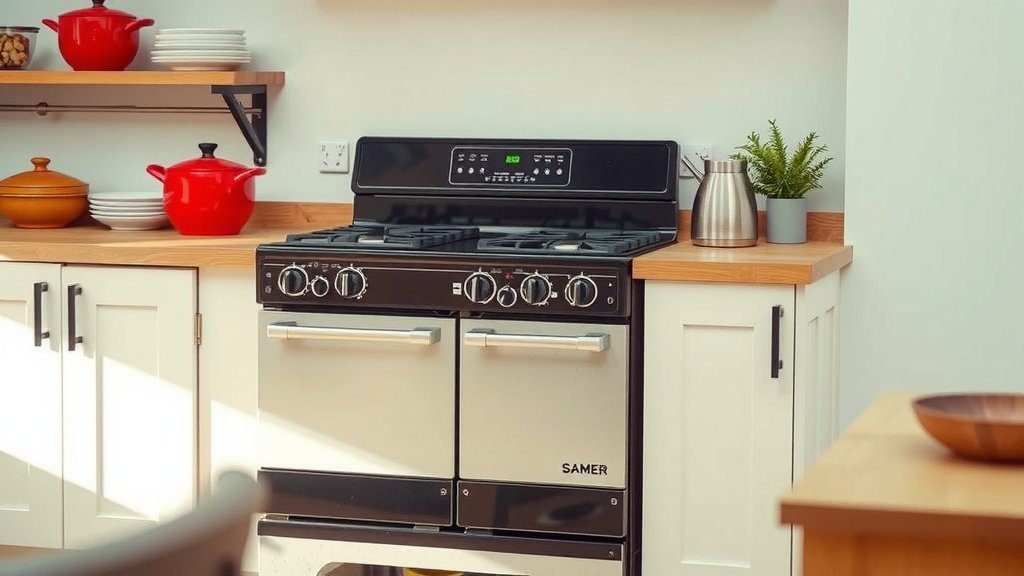
Is a Dual Fuel Cooker Right for Your Kitchen?
Deciding if a dual fuel cooker fits your lifestyle involves a few considerations. It’s not just about the cooking performance, but also about your kitchen setup and personal cooking habits.
Your Kitchen’s Gas Line Connection
The most important factor is whether you have a natural gas line available in your kitchen. If you don’t, running one can be a significant expense. You’ll need to consult with a qualified professional to assess this. If natural gas isn’t an option, you might consider propane, but installation and tank refills are still factors to consider.
Your Cooking Style and Preferences
Do you spend a lot of time at the stovetop, performing complex cooking techniques? Do you bake frequently and find your current oven’s results inconsistent? If you answered yes to these, a dual fuel cooker could be a game-changer for you. If your cooking is simpler, or you’re happy with your current setup, it might be less of a priority.
Installation and Maintenance Needs
While dual fuel cookers offer great benefits, they can sometimes be more complex to install. You need connections for both gas and electricity. Maintenance might also involve dealing with two different systems. Always check the manufacturer’s specific installation requirements. We found that reading reviews often highlights common installation quirks or maintenance tips.
Budget Considerations
Dual fuel ranges are often priced higher than all-gas or all-electric models. The combination of two technologies contributes to this. However, many users feel the performance benefits justify the cost over time. It’s worth looking at your budget and weighing the long-term advantages.
A Quick Checklist for You
To help you decide, consider these points:
- Do you have a gas line?
- Do you love gas stovetop control?
- Do you need a more consistent oven?
- Are you prepared for a potential higher cost?
- Is precise cooking a priority for you?
Conclusion
So, you’ve learned how a dual fuel cooker combines gas stovetop precision with electric oven consistency. This setup offers excellent control for stovetop cooking and reliable, even heat for baking. It’s a fantastic choice if you love the responsiveness of gas burners and demand stable temperatures for your oven creations. If you have a gas line and value performance, a dual fuel range could truly transform your kitchen experience. Your next step is to check your kitchen’s gas line availability and compare models to see which best fits your cooking needs and budget.
Frequently Asked Questions
Do I need a gas line for a dual fuel cooker?
Yes, you absolutely need a natural gas line connection to power the stovetop burners. If you don’t have one, you’ll need to have one professionally installed, which can add to the overall cost. Some models can be adapted for propane, but this also requires proper installation.
What’s the main difference between dual fuel and an all-electric range?
The primary difference is the stovetop. A dual fuel range uses gas burners for instant heat control on top, while an all-electric range uses electric coils or a smooth surface. Both typically feature an electric oven, but the stovetop experience is quite distinct.
Are dual fuel ovens better than gas ovens?
Many home cooks find electric ovens provide more consistent and even heating than gas ovens. This stability is often preferred for delicate baking tasks like cakes and pastries, as it reduces hot spots and temperature fluctuations. Gas ovens offer faster temperature recovery, though.
Can I install a dual fuel cooker myself?
Installation can be complex as it requires both gas and electrical hookups. For safety and proper functioning, it’s highly recommended to have a qualified professional handle the installation. They can ensure all connections are secure and up to code.
How do I clean the gas burners on a dual fuel cooker?
To clean gas burners, first ensure the cooktop is cool and turned off. You can typically remove the grates and burner caps for cleaning. Wash them with warm, soapy water and a non-abrasive sponge. Wipe down the stovetop surface with a damp cloth, and make sure all parts are completely dry before reassembling.