What Is a Halogen Cooker: Your Complete Guide
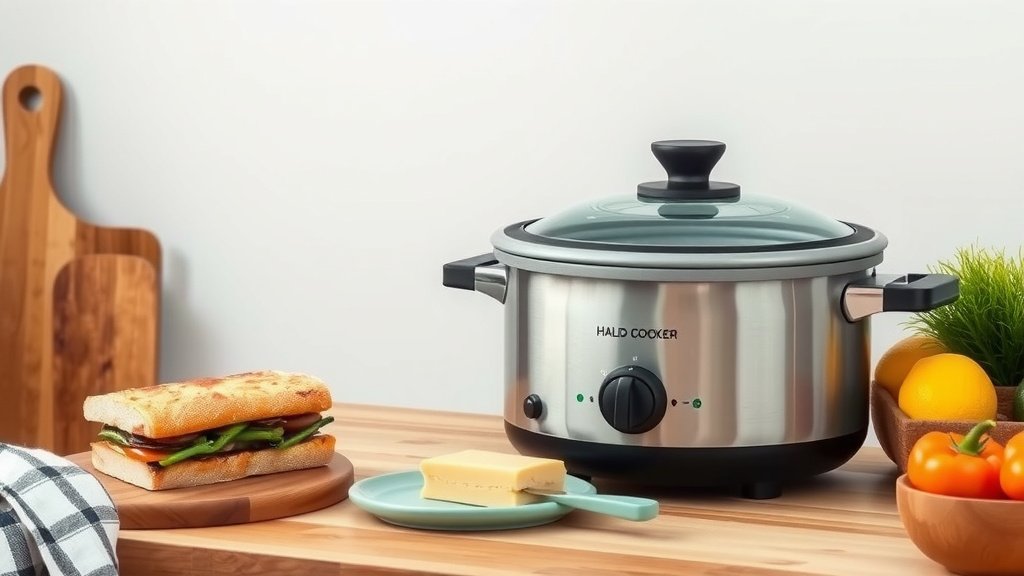
A halogen cooker is a type of countertop oven that uses a halogen lamp to generate heat. This lamp heats up metal coils, which then cook your food. They are known for being fast and efficient for many cooking tasks.
Think of it like a mini oven, but with a special light bulb that gets really hot, really quickly. They’re great for toasting, roasting, and even baking smaller items. Many people find them to be a convenient kitchen addition for quick meals. We’ve found they are quite versatile.
- It’s a fast oven powered by a special light.
- It uses a halogen lamp and heating coils.
- Great for quick cooking, toasting, and roasting.
- Offers energy efficiency compared to larger ovens.
Ready to learn more about how this clever appliance works and what it can do for your kitchen? Let’s walk through exactly what makes a halogen cooker so special.
Understanding Your Halogen Cooker
So, what exactly is a halogen cooker and how does it work its kitchen magic? It’s essentially a countertop oven that uses a special type of light bulb to cook your food. This isn’t just any light bulb, though. It’s a powerful halogen lamp that heats up rapidly, bringing your meals to life quickly and efficiently.
How the Halogen Lamp Works
At its core, a halogen cooker relies on a halogen lamp, which is a type of incandescent bulb. Inside this bulb, a tungsten filament glows brightly when electricity passes through it. What makes it “halogen” is the presence of a small amount of a halogen gas, like iodine or bromine. This gas helps to redeposit evaporated tungsten back onto the filament. This clever process allows the filament to run hotter and last much longer than in a regular light bulb. It’s this intense heat from the lamp that cooks your food.
The Heating Process
The halogen lamp emits intense infrared radiation. This radiation then strikes the food placed in the cooker’s glass bowl. Simultaneously, the lamp also heats up metal coils surrounding it. These coils further radiate heat, creating a convection and radiant cooking environment. You can often see the glowing red coils through the glass, which is a sure sign it’s working hard!
Components of a Halogen Cooker
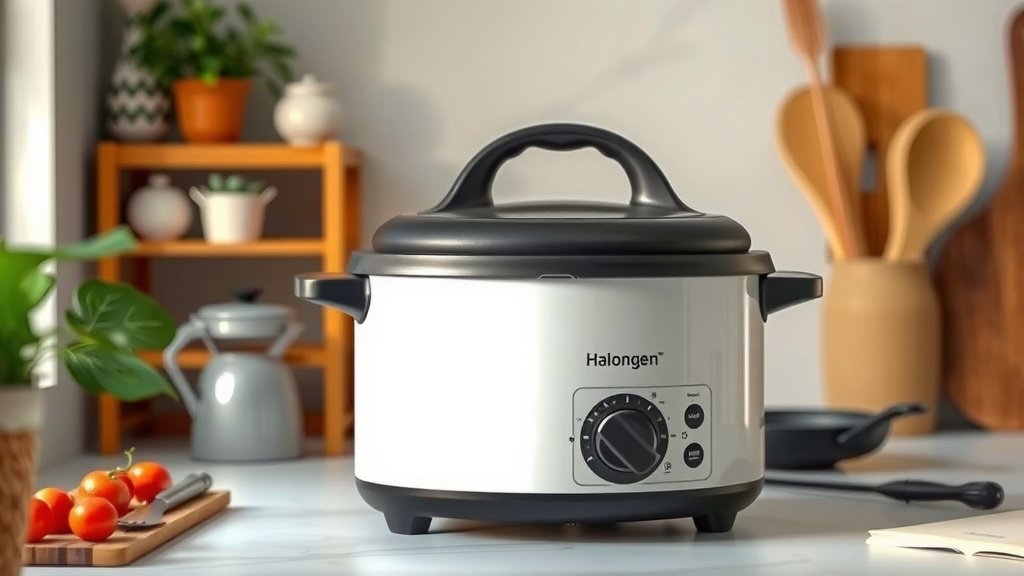
Most halogen cookers share a few key parts. You’ll always find the glass bowl, which serves as the cooking chamber. This bowl sits on a base that houses the fan and the electrical components. Above the bowl is the removable lid, which contains the crucial halogen bulb and the heating elements. Many models also include racks and accessories to help you cook different types of food.
The Glass Bowl: Your Cooking Arena
The glass bowl is typically made of heat-resistant borosilicate glass. This material is durable and allows you to easily see your food as it cooks. It’s usually large enough to hold a decent-sized meal, making it great for families or for preparing larger portions. You can often remove it for easy cleaning, which is a big plus.
The Lid: Powerhouse of the Cooker
The lid is where all the action happens. It houses the powerful halogen bulb and the heating elements. It also usually contains a fan that circulates the hot air within the bowl. This fan helps to ensure even cooking and can speed up the process. Many lids are designed to be easily detached from the bowl, which is convenient for cleaning and for accessing your food.
What Can You Cook in a Halogen Cooker?
You might be wondering just how versatile this appliance truly is. The good news is that halogen cookers can handle a surprising variety of cooking tasks. From simple toasting to more involved roasting and baking, they can often take on jobs that would otherwise require your main oven.
Everyday Cooking Tasks
For quick weeknight meals, a halogen cooker really shines. You can roast chicken, potatoes, or vegetables much faster than in a conventional oven. It’s also fantastic for reheating leftovers, as it can crisp them up without making them soggy, unlike a microwave. We found that it’s great for cooking frozen foods directly from the freezer, saving you precious time.
Baking and Roasting Capabilities
While not a replacement for a full-sized oven, many halogen cookers can handle small baking tasks. Think about baking a small cake, cookies, or muffins. You can also easily roast small cuts of meat or a whole chicken. The even heat distribution helps create nicely browned and cooked results. Many users report successful baking experiences with smaller batches.
Specific Food Examples
Here are some common foods you can prepare:
- Whole chickens (small to medium)
- Roasted vegetables (potatoes, carrots, broccoli)
- Steaks and chops
- Sausages and bacon
- Baked potatoes
- Muffins and small cakes
- Pizza (small personal sizes)
- Toasted sandwiches
- Reheating casseroles and stews
Halogen Cooker vs. Other Ovens
How does a halogen cooker stack up against your standard oven or microwave? They offer some distinct advantages, particularly in speed and energy efficiency for smaller tasks.
Speed and Efficiency
One of the biggest draws of a halogen cooker is its speed. Because the halogen bulb heats up so quickly, you don’t have to wait for a large oven to preheat. This can save you a lot of time. Research indicates that halogen cooking can be up to three times faster than conventional ovens for certain tasks. This speed also translates to energy savings, as you’re using less electricity.
Energy Consumption
When you’re just cooking for one or two people, or if you need to reheat a small portion, using your large conventional oven can be a waste of energy. A halogen cooker uses much less electricity for these smaller jobs. Many guidelines suggest that using a smaller appliance like a halogen cooker for tasks it’s suited for can lead to significant energy savings over time (U.S. Department of Energy). This makes it an eco-friendlier choice for many households.
Comparison Table: Halogen vs. Conventional Oven vs. Microwave
Let’s break down some key differences:
| Feature | Halogen Cooker | Conventional Oven | Microwave |
|---|---|---|---|
| Heating Method | Halogen lamp, radiant heat, convection fan | Heating elements (electric or gas) | Microwaves |
| Preheating Time | Very fast (often immediate) | Slow to moderate | None |
| Cooking Speed | Fast | Moderate to slow | Very fast |
| Food Browning/Crisping | Excellent | Excellent | Poor (can make food soggy) |
| Energy Efficiency (for small tasks) | High | Low | Moderate |
| Capacity | Small to medium | Large | Small to medium |
| Best For | Roasting, toasting, reheating with crisping | Large meals, baking multiple items | Reheating, defrosting, quick steaming |
Tips for Using Your Halogen Cooker
To get the most out of your new appliance, a few tips can make a big difference. Think of these as your quick-start guide.
- Read the Manual: Seriously, it’s worth it! Every model is slightly different.
- Start with Lower Temps: They cook fast, so begin with lower temperatures and adjust as needed.
- Use Racks Wisely: Place food on racks to allow hot air to circulate freely.
- Don’t Overfill: Give your food space for even cooking.
- Clean Regularly: A clean cooker works better and lasts longer.
Conclusion
You’ve learned that a halogen cooker is a fast, energy-efficient countertop appliance. It uses a special lamp and fan system to cook food quickly. We’ve seen how it excels at tasks like roasting, toasting, and reheating, often outperforming larger ovens for smaller jobs. Think of it as your go-to for speedy weeknight meals or crisping up leftovers. Now that you understand its capabilities, consider if a halogen cooker fits your kitchen needs. You can start by looking for models that suit your cooking style and counter space.
Frequently Asked Questions
Can a halogen cooker replace my main oven?
A halogen cooker is an excellent addition for smaller tasks and quick meals, but it’s generally not a full replacement for a conventional oven. Its capacity is limited, making it less ideal for large batch baking or cooking for big gatherings.
Is a halogen cooker safe to use?
Yes, halogen cookers are designed with safety in mind. They are made with heat-resistant glass and often have safety features like automatic shut-offs. Always ensure you follow the manufacturer’s instructions for safe operation.
How do I clean my halogen cooker?
Cleaning is usually straightforward. The glass bowl is typically removable and dishwasher safe or easy to hand wash. Wipe down the lid and heating elements carefully with a damp cloth once they have cooled completely, avoiding harsh detergents.
What is the difference between a halogen cooker and an air fryer?
While both cook food quickly, a halogen cooker uses a halogen lamp and convection fan for radiant and circulating heat. An air fryer primarily uses a fan to circulate very hot air, mimicking deep frying with less oil.
Can I bake small cakes or cookies in a halogen cooker?
Absolutely! Many users find success baking smaller items like muffins, cookies, or a small cake in a halogen cooker. You might need to adjust cooking times and temperatures from standard recipes due to the intense heat.