Slow Cooker at Work Can You Leave It On Safely
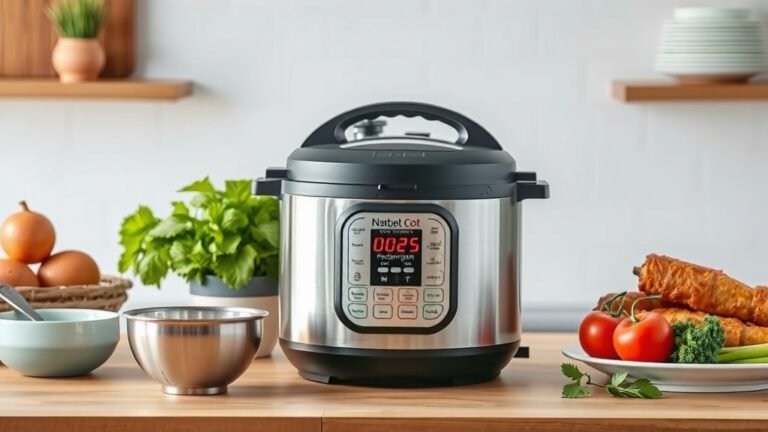
Yes, you can generally leave a slow cooker on while at work, as long as you follow some important safety tips. Most modern slow cookers are designed for long cooking times. They use low, consistent heat that is generally considered safe for unattended use when properly maintained. You can come home to a delicious, ready-to-eat meal.
Leaving your slow cooker on all day can be a huge convenience for busy schedules. It’s a great way to prepare meals without constant monitoring. Many people find it a lifesaver for weeknight dinners. Just remember, safety should always be your top priority.
- Yes, slow cookers are usually safe for unattended cooking.
- Ensure your appliance is in good working order.
- Place it on a stable, heat-resistant surface away from flammable items.
- Don’t overfill your slow cooker.
- Consider using recipes designed for long cooking times.
Below, we’ll break down exactly how to do it safely and what to watch out for so you can enjoy your slow-cooked meals with peace of mind.
Your Slow Cooker: A Safe Kitchen Companion for Long Days
Can you safely leave your slow cooker running while you’re out at work? The short answer is yes, with proper precautions. Modern slow cookers are designed for extended cooking periods. They heat food gently and consistently, making them ideal for busy schedules. Think of it as your personal kitchen assistant, working diligently while you’re away. Many people rely on this appliance to have dinner ready right when they walk through the door. Research from consumer safety organizations often points to slow cookers as a generally safe appliance for unattended use, provided they are in good condition and used correctly (Consumer Product Safety Commission).
Ensuring Your Slow Cooker is Work-Ready
Before you even think about plugging it in and heading to the office, you need to do a quick check. A well-maintained appliance is key to safe operation. Your slow cooker should be in good working order. Check the cord for any fraying or damage. Make sure the lid seals properly. If you notice any issues, it’s best to get it repaired or replaced. Don’t take chances with a faulty appliance.
A Stable Foundation: Where to Place Your Cooker
The location of your slow cooker is more important than you might think. You need to place it on a stable, heat-resistant surface. This could be your countertop. Never put it directly on a surface that can be damaged by heat. Also, ensure it’s away from anything flammable. This means keeping it clear of curtains, dish towels, and paper products. A good rule of thumb is to have at least a few inches of space all around the cooker for air circulation. This helps prevent overheating.
Proper Loading for Optimal Safety
Overfilling your slow cooker can lead to uneven cooking and potential safety hazards. Recipes typically suggest filling the slow cooker no more than two-thirds full. This allows for proper heat distribution and prevents spills. If your recipe calls for more ingredients, you might need to divide it into two separate slow cookers. Always follow recipe guidelines for fill levels. This ensures your food cooks evenly and safely.
What to Cook When You’re Out of the House
Not all recipes are created equal when it comes to leaving them unattended. Some ingredients require more attention than others. It’s best to choose recipes that are designed for long, slow cooking times. Stews, chilis, pulled pork, and pot roasts are excellent choices. These dishes benefit from extended cooking and are less likely to cause issues. Avoid recipes that require adding delicate ingredients like fresh herbs or dairy products towards the end. You won’t be there to adjust them.
Recipe Selection Tips
When selecting a recipe, look for ones that specify cooking times of 6-8 hours on low. These are usually formulated for unattended cooking. Avoid recipes that need frequent stirring or checking. You want a “set it and forget it” kind of meal. Also, consider the type of liquid used. Broths and water-based liquids are generally safe. Cream-based sauces might require more attention to prevent scorching, though many modern recipes account for this.
The Importance of Starting Hot
For food safety, it’s crucial that your food reaches a safe temperature quickly. Some experts recommend preheating your slow cooker on high for about 20 minutes before adding ingredients if you’re starting with cold food. However, many modern recipes assume you’ll add room-temperature or slightly chilled ingredients. If you’re concerned about food safety, you can start your recipe on high for the first hour, then switch to low. This helps ensure the food gets into the safe temperature zone faster (FoodSafety.gov).
Safety Checks Before You Leave
Before you walk out the door, a final sweep of your kitchen is a good idea. You want to ensure everything is in order. Your peace of mind is worth these few extra moments. It’s like doing a quick check before a long trip.
The Pre-Departure Checklist
- Ensure the slow cooker lid is securely in place.
- Confirm the cooker is on a stable, non-flammable surface.
- Keep the area around the cooker clear of clutter.
- Check that the power cord is not a tripping hazard.
- Make sure the slow cooker is filled to the recommended level.
A Note on Power Outages
What happens if the power goes out while you’re gone? This is a valid concern. If the power is out for an extended period, your food might not stay hot enough. This could lead to foodborne illness. Most slow cookers are designed to keep food warm for a limited time after power is restored. However, if there’s a prolonged outage, you might need to discard the food. There isn’t much you can do about this when you’re not home, but it’s something to be aware of.
Modern Slow Cookers: Smart Features for Extra Safety
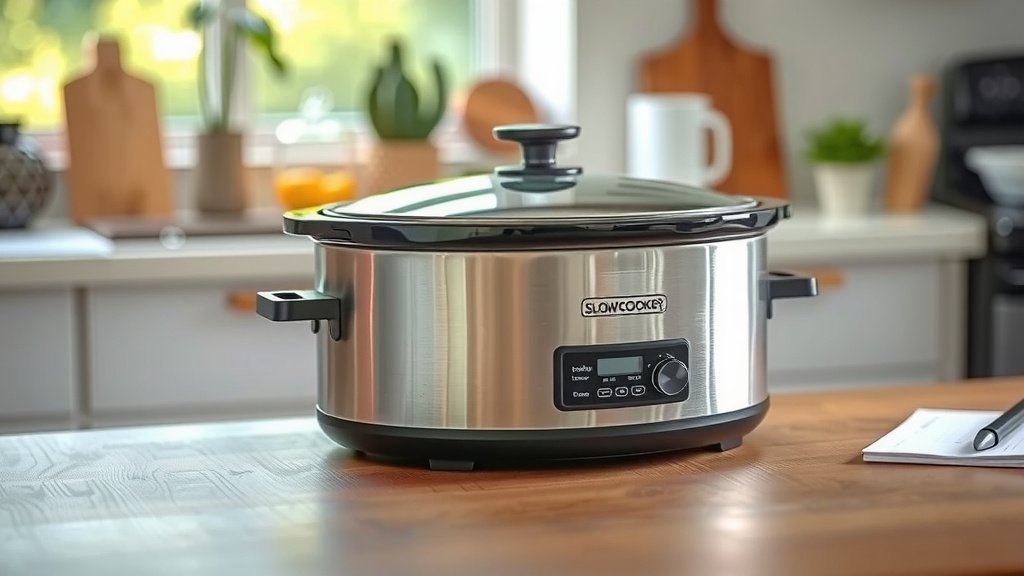
Many new slow cookers come with features that can provide extra reassurance. Some models have programmable timers. These allow you to set a specific cooking time. The cooker will automatically switch to a “keep warm” setting when done. Others have auto shut-off features, which is a great safety net. If you’re in the market for a new slow cooker, consider these advanced options. They can offer even more peace of mind for unattended cooking. Consider programmable timers for added convenience and safety.
Smart Technology and Convenience
We’ve also seen slow cookers with Wi-Fi connectivity. You can monitor and adjust cooking settings from your smartphone. While not strictly a safety feature, it allows you to check in on your meal remotely. This can be reassuring if you’re worried about how things are progressing. It’s like having eyes on your kitchen, even from miles away.
| Feature | Basic Models | Advanced Models |
|---|---|---|
| Timer Function | Manual setting needed | Programmable with auto shut-off |
| Keep Warm Setting | Manual switch needed | Automatic after cooking |
| Remote Monitoring | Not available | Often via Wi-Fi app |
| Appliance Condition | Crucial for safety | Crucial for safety |
When NOT to Leave Your Slow Cooker Unattended
While generally safe, there are times when you should reconsider leaving your slow cooker on. If your appliance is old or shows signs of wear and tear, it’s best not to risk it. Also, if you’re trying a new or complex recipe for the first time, stay home and monitor it. Familiar recipes are usually a safer bet. Trust your gut feeling; if something feels off, it probably is.
Conclusion
You can indeed leave your slow cooker on while you’re at work, transforming your kitchen into a dinner-prep wizard. Remember, safety is your most important ingredient. Always use a well-maintained cooker, place it on a stable, heat-resistant surface away from flammables, and don’t overfill it. Choosing recipes suited for long, slow cooking makes the process even more foolproof. Before you head out, a quick checklist ensures everything is secure.
By following these simple guidelines, you can enjoy the convenience of a ready-made meal without compromising your home’s safety. So go ahead, plan your next delicious slow-cooked masterpiece and enjoy your workday knowing dinner is taken care of!
Frequently Asked Questions
How long is too long to leave a slow cooker on?
Generally, slow cookers are designed for 6-10 hour cooking cycles on low. Leaving it on for more than 10-12 hours, especially on a lower setting, might overcook food or not maintain optimal food safety temperatures. Always refer to your recipe and the manufacturer’s guidelines for specific time limits.
Can a slow cooker catch fire while unattended?
While rare, a fire is a possibility with any electrical appliance left unattended, especially if it’s old, damaged, or placed too close to flammable materials. Ensuring your cooker is in good condition and properly situated significantly reduces this risk.
What if there’s a power outage while I’m at work?
If a power outage occurs, your slow cooker will turn off. Once power is restored, it might resume cooking or stay warm, depending on the model. If the food has been in the “danger zone” (between 40°F and 140°F) for too long, it may no longer be safe to eat and should be discarded.
Is it safe to leave a slow cooker plugged in all the time?
It’s best practice to unplug your slow cooker when it’s not in use, just as you would with other small appliances. While modern ones have safety features, leaving any electrical device plugged in unnecessarily can pose a small risk over time.
Can I put frozen meat directly into a slow cooker to cook all day?
It’s generally not recommended to cook frozen meat in a slow cooker for extended periods. Frozen items take too long to reach a safe cooking temperature, increasing the risk of bacterial growth. Always thaw meat completely before adding it to your slow cooker.