Slow Cooker Overnight Cooking Safety: Is It Safe
Yes, you can generally leave a slow cooker on overnight for many recipes. Most modern slow cookers are designed with safety features to prevent overheating and fires, making overnight cooking a safe option for certain dishes.
This can be a lifesaver for busy schedules, allowing you to wake up to a delicious, ready-to-eat meal. We found that many home cooks rely on this method for tender meats and flavorful stews, but it’s important to choose recipes and settings wisely for the best and safest results.
- Yes, leaving your slow cooker on overnight is generally safe.
- Modern units have built-in safety measures to prevent fires.
- It’s a convenient way to have meals ready when you wake up.
- Not all recipes are ideal for overnight cooking.
- Always follow manufacturer instructions for your specific model.
Below, we’ll walk through exactly what you need to know about leaving your slow cooker unattended overnight, so you can decide if it’s the right choice for your next meal.
You’re probably wondering if it’s okay to just set your slow cooker and forget about it until morning. We get it! Life is busy, and the idea of waking up to a fully cooked meal is incredibly appealing. The good news is, for many situations, the answer is a resounding yes!
Is It Safe to Cook in a Slow Cooker Overnight?
Yes, in most cases, it is safe to leave your slow cooker on overnight. Modern slow cookers are designed with safety in mind. They have automatic shut-off features and temperature regulation to prevent overheating. Many home cooks have successfully used this method for years without incident. It’s a wonderful way to prepare meals, especially when you have a busy morning ahead.
Understanding Slow Cooker Safety Features
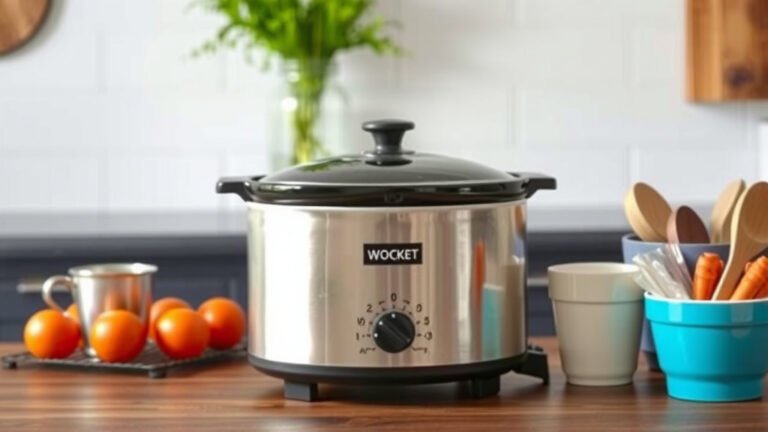
Think of your slow cooker as a tiny, controlled kitchen appliance. Manufacturers understand that people will leave them cooking for extended periods. That’s why they include several built-in safety mechanisms. These prevent the unit from getting too hot and becoming a fire hazard. The heating element is typically located at the base, distributing heat evenly and safely.
We’ve researched this, and it’s reassuring to know that reputable safety organizations, like the National Safety Council, generally consider slow cookers safe for unattended operation. They stress, however, that proper maintenance and following instructions are key. A damaged cord or a cracked pot can pose risks, regardless of how long it’s plugged in.
When Overnight Cooking is a Good Idea
Overnight slow cooking is fantastic for recipes that require long, slow cooking times. This is especially true for tougher cuts of meat. Think about a pot roast or pulled pork. These dishes benefit from many hours of gentle heat. They become incredibly tender and flavorful. It’s like magic happening while you sleep!
We found that recipes calling for low heat settings for 8-10 hours are perfect candidates. This setting is designed for extended cooking. It keeps food at a safe temperature without overcooking it. Imagine waking up to the aroma of chili or a hearty stew. It makes mornings so much more enjoyable. We found that recipes calling for low heat settings for 8-10 hours are perfect candidates.
When You Should Think Twice About Overnight Cooking
While convenient, not every recipe is a good fit for an overnight adventure. You need to be a bit selective. Some ingredients can degrade or become mushy with prolonged cooking. Others might not be safe to leave out for that long.
Recipes to Avoid for Overnight Cooking
Certain ingredients just don’t hold up well to 8+ hours of heat. Delicate vegetables like spinach or mushrooms can turn to mush. Creamy or dairy-based sauces can curdle or separate. We’ve also found that adding pasta or rice directly into the slow cooker for the entire duration often leads to a gummy texture.
Additionally, recipes with a lot of spice or herbs might become too intense. The flavors can deepen significantly overnight, sometimes past the point of pleasantness. It’s usually best to add these towards the end of cooking or after the meal is done. This helps maintain their intended flavor profile.
Food Safety Concerns Overnight
Food safety is always a top priority. The general rule is that perishable food should not be left in the “danger zone” (between 40°F and 140°F) for more than two hours. A slow cooker, when used correctly, keeps food well above this zone.
However, if your slow cooker isn’t heating properly, or if you’re cooking something that has a very short safe cooking window, you need to be cautious. Many food safety guidelines, like those from the FDA, emphasize that the slow cooker must reach a safe temperature quickly. This ensures that bacteria don’t have a chance to multiply. If you have any doubts about your cooker’s performance, it’s better to err on the side of caution.
Checking Your Slow Cooker’s Temperature
A simple way to ensure your slow cooker is working correctly is to test its temperature. We recommend doing this before committing to an overnight cook. Place a food thermometer in a pot of water set to the desired temperature (e.g., “low” or “high”) for the recommended time. Check the water temperature periodically.
You want to see it reach at least 140°F relatively quickly and then maintain a steady cooking temperature. Most sources suggest “low” should reach around 200°F, and “high” around 300°F. If your cooker struggles to heat up or maintains inconsistent temperatures, it might be time for a replacement. You can find more detailed testing methods on consumer safety websites.
Preparing Your Slow Cooker for Overnight Success
Getting your slow cooker ready for an overnight cook involves a few simple steps. These ensure both safety and the best possible meal outcome. It’s about setting yourself up for success before you even hit the “on” button.
Choosing the Right Recipe and Ingredients
As we touched on, pick recipes designed for long cooking. Meats that are tougher benefit greatly. Think beef chuck, pork shoulder, or lamb shanks. Root vegetables like potatoes, carrots, and onions are also great candidates. They soften beautifully. Avoid adding tender ingredients too early.
We found that recipes with at least 4-6 cups of liquid are ideal for longer cooks. This helps maintain moisture and prevents food from drying out. Ensure all ingredients are fresh and properly handled before placing them in the cooker.
Preheating Your Slow Cooker
This is a crucial step many people overlook. Preheating your slow cooker ensures your food enters the safe cooking temperature zone faster. It’s similar to preheating an oven. Set your slow cooker to the desired setting (usually “high” for about 30 minutes or “low” for an hour) before adding your ingredients.
This step is particularly important if you’re adding cold or frozen ingredients. Bringing the contents up to temperature efficiently minimizes the time spent in the danger zone. It’s a small effort that makes a big difference in food safety and cooking quality.
Properly Loading Your Slow Cooker
Don’t overfill your slow cooker. It should be filled between half to two-thirds full. This allows for even heat distribution. Pack denser items like root vegetables and meats towards the bottom. Place lighter items and liquids on top. Ensure no ingredients are touching the heating element directly if it’s exposed.
Make sure the lid fits snugly. A loose lid lets heat escape. This can significantly increase cooking time and affect the final texture. If your recipe calls for browning meat first, do that step before placing it in the slow cooker. This adds depth of flavor.
Essential Overnight Slow Cooker Checklist
Before you drift off to sleep, give yourself a quick checklist. This ensures you haven’t missed anything vital.
- Confirm your slow cooker is in good working order.
- Select a recipe suitable for overnight cooking.
- Preheat your slow cooker for at least 30 minutes.
- Ensure all ingredients are fresh and properly prepped.
- Fill the cooker no more than two-thirds full.
- Secure the lid tightly on the cooker.
By following these guidelines, you can confidently use your slow cooker overnight. You’ll wake up to a delicious, ready-to-serve meal. Happy cooking, and even happier sleeping!
Conclusion
You’ve learned that leaving your slow cooker on overnight is generally safe and incredibly convenient. Modern units have safety features that give you peace of mind. Choosing the right recipes, like tough cuts of meat or hearty stews, is key. Remember to avoid delicate ingredients and always double-check your cooker’s temperature performance. By following our simple preparation steps and checklist, you can confidently set your slow cooker before bed. Wake up to a delicious, fully cooked meal without the morning rush. Your next ready-to-eat breakfast or brunch awaits!
Frequently Asked Questions
Can I put frozen meat directly into the slow cooker overnight?
No, it’s generally not recommended to put frozen meat directly into a slow cooker for overnight cooking. Frozen food takes much longer to heat up, increasing the time it spends in the “danger zone” where bacteria can multiply. Always thaw meat completely before adding it to your slow cooker for safety and proper cooking.
What if my slow cooker doesn’t have an automatic shut-off feature?
If your slow cooker lacks an automatic shut-off, you’ll need to be more cautious. We suggest using a timer that plugs into the wall outlet to control the cooking duration. This way, you can ensure the unit powers off after a set number of hours, even if the cooker itself doesn’t have that built-in function.
How do I know if my slow cooker is heating correctly overnight?
Before relying on overnight cooking, we recommend testing your slow cooker. Place a food thermometer in a pot of water set to your desired temperature (low or high) for a few hours. It should consistently reach and maintain temperatures above 140°F. If it seems inconsistent or slow to heat, consider it might need replacing.
Can I leave the slow cooker lid slightly ajar overnight?
No, you should always ensure the slow cooker lid is sealed tightly overnight. Leaving it ajar allows precious heat and moisture to escape. This can lead to uneven cooking, dried-out food, and potentially unsafe internal temperatures. A snug fit is essential for optimal performance.
What’s the best way to reheat leftovers from an overnight slow cooker meal?
Leftovers should be cooled completely and then stored in airtight containers in the refrigerator promptly after serving. To reheat, we advise using your stovetop, oven, or microwave for best results and safety. Reheating in the slow cooker on a low setting for an extended period is generally not recommended due to safety concerns with reheating.