Ceramic Hob Explained: What It Is and How It Works
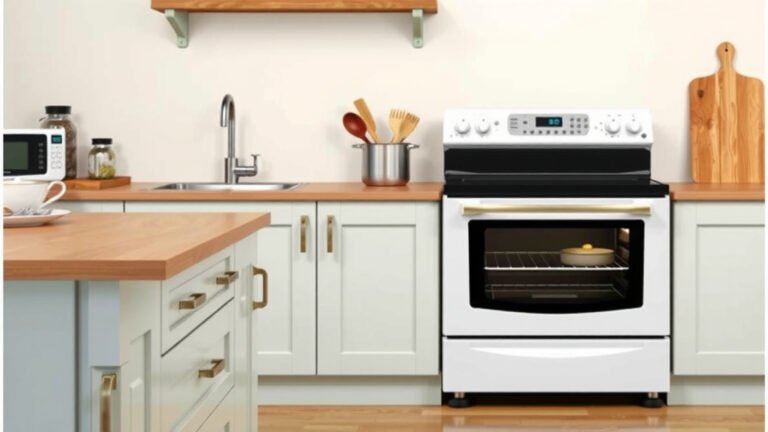
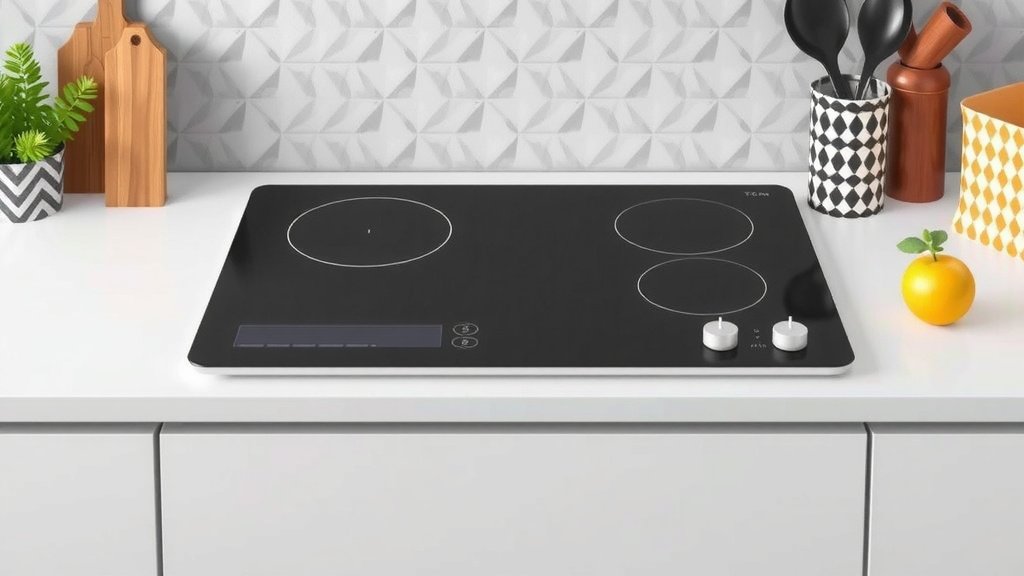
A ceramic hob is a type of electric cooktop with a smooth, flat glass-ceramic surface. Underneath this surface are electric heating elements. When you turn on the hob, these elements heat up, transferring warmth directly to your cookware. It offers a sleek look and is generally easy to clean.
Ceramic hobs have become a popular choice in many kitchens. They’re often seen as a more modern alternative to older coil electric stovetops. Many homeowners appreciate their stylish appearance and how they can easily fit into your kitchen’s design. You might be wondering how they compare to gas or induction models.
- Ceramic hobs are electric cooktops with a flat glass surface.
- They use hidden electric heating elements to heat your pots and pans.
- Known for their smooth, easy-to-clean design.
- A modern alternative to traditional electric coil stoves.
- Offer a stylish look for your kitchen.
Below, we’ll break down what exactly a ceramic hob is and how it works, so you can decide if it’s the right fit for your kitchen.
Understanding the Ceramic Cooktop
A ceramic hob is essentially an electric stove top with a smooth, glassy surface. It’s a popular choice for modern kitchens because of its clean lines and ease of use. Think of it as a sophisticated electric stove. You won’t see any coils sticking up, which makes a big difference in how you cook and clean.
The magic happens beneath the surface. Hidden electric heating elements are embedded within the glass-ceramic material. When you turn on a burner, these elements heat up. The glass then transfers that heat directly to your cookware. It’s a straightforward system that offers a sleek look.
How Does a Ceramic Hob Work?
The core of a ceramic hob is its heating element system. These elements can be made of various materials, but they all serve the same purpose: to generate heat. We found that most modern ceramic hobs use halogen lamps or radiant electric coils. These are placed directly beneath the glass surface.
When you select a heat setting, electricity flows to the chosen element. It glows red-hot, just like an old-fashioned coil burner, but it’s shielded by the glass. This heat is then conducted through the glass to the bottom of your pot or pan. It’s a direct transfer of energy from the element to your food.
Heating Elements Explained
You’ll typically find two main types of heating elements used in ceramic hobs. Understanding these can help you appreciate the technology. The first is a radiant coil element. This is very similar to the coils on older electric stoves. They are durable and heat up relatively quickly.
The second type is a halogen element. These use a quartz tube with a tungsten filament, similar to a light bulb. They heat up much faster than radiant coils. Many users report seeing the cooking zone glow almost instantly. This speed can be a real benefit when you’re in a hurry.
The Glass-Ceramic Surface: More Than Just Looks
The smooth, flat surface of a ceramic hob isn’t just for aesthetics. It’s made from a special glass-ceramic material. This material is designed to withstand high temperatures and thermal shock. It’s incredibly smooth, which contributes to its easy-to-clean reputation. Spills and splatters don’t get trapped in crevices.
This durable surface also allows for efficient heat transfer. The heat from the elements below passes through the glass with minimal loss. We found that this smooth surface can also be a bit delicate. While strong, it can be scratched by abrasive cleaners or rough pot bottoms. So, using the right cookware is important.
Comparing Ceramic Hobs to Other Cooktops
Ceramic hobs offer a middle ground in the cooktop world. They are electric, but they provide a smoother surface than traditional coil electric stoves. How do they stack up against gas and induction? It’s a question many homeowners ask when planning their kitchen updates.
Ceramic vs. Gas Cooktops
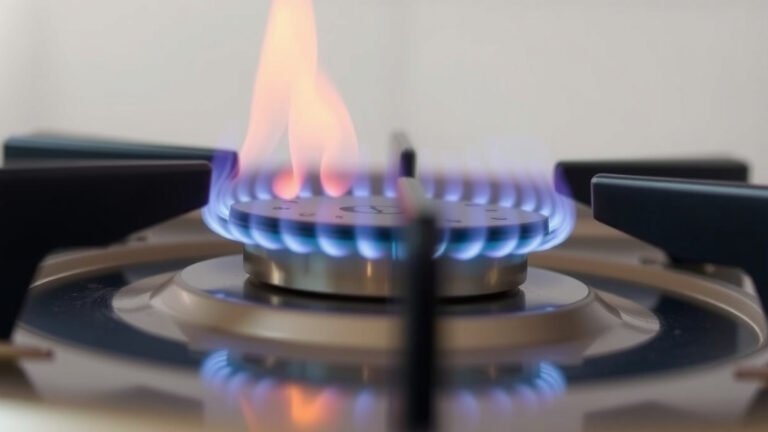
Gas cooktops use an open flame to heat your food. You can often see the flame licking up the sides of your pot. Many chefs love the instantaneous heat control and visual feedback of gas. You can see the flame size change immediately when you adjust the knob.
Ceramic hobs, on the other hand, are electric. They don’t have open flames, which many find safer, especially in homes with children. The heat control is less immediate than gas. You turn a dial, and the element gradually heats up. Cleaning is generally easier on ceramic because there are no grates or burners to navigate.
Ceramic vs. Induction Cooktops
This is where things get interesting. Induction cooktops also have a smooth glass surface like ceramic. However, the way they heat food is entirely different. Induction uses electromagnetism to heat your cookware directly. The hob itself doesn’t get very hot. Only the pot or pan becomes hot.
This makes induction incredibly fast and energy-efficient. It also offers precise temperature control. Ceramic hobs heat the glass surface, which then heats the cookware. This process is slower than induction. While ceramic is electric, induction is a more advanced form of electric cooking. Many experts cite induction as the most efficient electric option.
| Feature | Ceramic Hob | Gas Cooktop | Induction Cooktop |
|---|---|---|---|
| Power Source | Electric | Natural Gas or Propane | Electric |
| Surface Type | Smooth Glass-Ceramic | Metal Grates with Burners | Smooth Glass-Ceramic |
| Heating Method | Radiant Electric Elements | Open Flame | Electromagnetic Induction |
| Heat Control | Gradual Adjustment | Instantaneous | Very Precise & Instantaneous |
| Cleaning | Easy (Smooth Surface) | More Difficult (Grates/Burners) | Easy (Smooth Surface) |
| Cookware Needed | Flat-Bottomed Pots/Pans | Any Stable Cookware | Ferromagnetic Cookware (Iron-based) |
Pros and Cons of Ceramic Hobs
Like any kitchen appliance, ceramic hobs have their good and not-so-good points. Understanding these can help you make the best choice for your cooking style and needs.
Advantages You’ll Love
- Stylish Appearance: They add a modern, clean look to any kitchen.
- Easy to Clean: The smooth, flat surface is a breeze to wipe down.
- Safer Than Gas: No open flames mean less risk of accidents.
- Good for Specific Cookware: Works with most flat-bottomed pots and pans.
- Affordability: Generally less expensive than induction cooktops.
Things to Consider
- Slower Heating: Takes longer to heat up and cool down compared to gas or induction.
- Heat Control Isn’t Instant: Adjustments take time to register.
- Can Scratch or Chip: Requires careful handling and appropriate cookware.
- Energy Use: Less efficient than induction cooktops.
- Requires Special Cleaners: Abrasive cleaners can damage the surface.
Choosing the Right Cookware
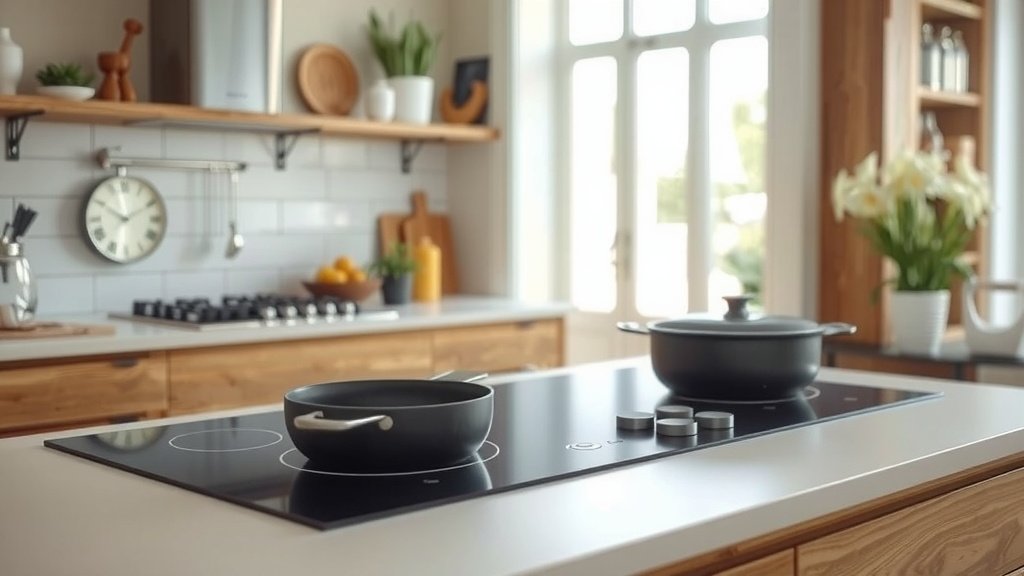
For your ceramic hob to work efficiently and safely, you need the right cookware. The key is a flat, smooth bottom. Warped or uneven bottoms won’t make good contact with the glass surface. This leads to uneven heating and slower cooking times.
We found that heavy-bottomed pots and pans made of stainless steel, copper, or aluminum with a solid, flat base work best. Avoid cookware with rough or warped bottoms. Also, be mindful of cast iron. While it can work, it’s very heavy and can scratch the glass if slid across the surface. Lifting cookware instead of dragging is a good habit.
Here’s a quick checklist for your cookware:
- Ensure the bottom is perfectly flat.
- Check for a smooth, un-warped surface.
- Use heavy-bottomed pots and pans.
- Avoid dragging heavy cookware across the glass.
- Consider stainless steel or clad metal options.
Conclusion
So, you now know that a ceramic hob offers a stylish and easy-to-clean electric cooking surface. It’s a great middle-ground between older coil tops and more advanced induction models. While it heats slower than gas or induction, its smooth design and affordability make it a popular choice. You’ve learned how the hidden elements work and why proper cookware is key. Your next step? Consider your cooking habits and kitchen style. If a sleek look and simple cleanup are priorities, a ceramic hob could be your perfect match.
Frequently Asked Questions
How long does a ceramic hob take to heat up?
Ceramic hobs heat up gradually. Compared to gas or induction, they take longer. You’ll find that radiant coil elements are slower than halogen ones. It’s best to allow a few minutes for the cooking zone to reach your desired temperature.
Can you put any pot on a ceramic hob?
No, not just any pot will work best. Your cookware needs a flat, smooth bottom for good contact. Heavy-bottomed stainless steel, copper, or aluminum pots are ideal. Avoid warped or rough bases that could scratch the glass.
Is a ceramic hob safe for families?
Yes, ceramic hobs are generally considered safe. They don’t have open flames like gas cooktops. This reduces the risk of accidental fires. However, the glass surface does get hot, so caution is still needed around children.
How do you clean a ceramic hob?
Cleaning is simple thanks to the smooth surface. You’ll want to use a special ceramic hob cleaner. Wipe spills immediately to prevent them from burning on. Avoid abrasive scrubbers that can scratch the glass-ceramic material.
Are ceramic hobs energy efficient?
Ceramic hobs are electric and use radiant heat. They are more efficient than traditional coil electric stoves. However, they are less energy-efficient than induction hobs. Induction heats cookware directly, losing less energy to the surrounding air.