Slow Cooker Pasta: Your Ultimate Guide September 2026
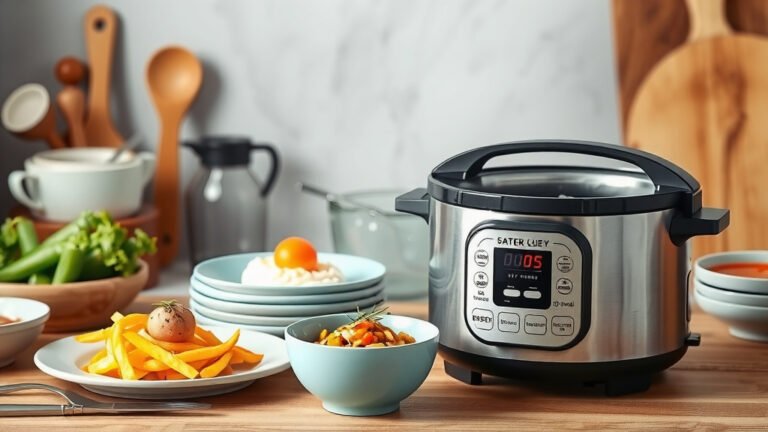
Yes, you absolutely can cook pasta in a slow cooker. It’s a simple method that works surprisingly well for many pasta dishes, especially those with sauces. You’ll achieve tender, fully cooked pasta without the need for a pot of boiling water on the stovetop. Your slow cooker can become a fantastic tool for **easy weeknight meals**.
This cooking method is perfect for busy days when you don’t have much time to monitor the stove. It allows for a hands-off approach, letting the slow cooker do all the work. You can prepare creamy pasta bakes and other comforting meals with minimal effort. Just toss in your ingredients and let it simmer.
- Yes, slow cookers can cook pasta.
- It’s a simple, hands-off method.
- Great for busy weeknights.
- Works best with saucy dishes.
- Keeps pasta tender and delicious.
Let’s walk through exactly how to get your pasta cooked perfectly in your slow cooker, step by step.
Your Slow Cooker: A Pasta Powerhouse?
So, you’re wondering if your trusty slow cooker can handle pasta. The short answer is a resounding yes! It’s not just about reheating leftovers; your slow cooker can actually cook raw pasta to tender perfection. This method is especially fantastic for dishes where the pasta simmers in a delicious sauce. Think of it as a gentle, hands-off approach that frees you up.
Many home cooks have discovered this trick. We found that pasta cooked in the slow cooker absorbs flavors wonderfully. It’s a different texture than boiling, often a bit softer, which is great for many comfort food recipes. You might be surprised at how simple and effective it is.
Understanding the Slow Cooker Pasta Process
Cooking pasta in a slow cooker is all about managing moisture and heat. You’re not fighting a rolling boil like on the stovetop. Instead, you’re allowing the pasta to soften and cook in a warm, steamy environment. This is why saucy dishes are your best friend here.
The Importance of Liquid
Liquid is key to successful slow cooker pasta. The pasta needs enough liquid to cook through. If there isn’t enough, your pasta can end up dry and hard. Too much liquid, and you risk a watery, overcooked mess. We found that a good ratio of liquid to pasta is essential.
- Aim for roughly 1 cup of liquid per 1/2 cup of dry pasta.
- This can include your sauce, broth, water, or a combination.
- Always ensure the pasta is mostly submerged.
Choosing the Right Pasta Shape
Not all pasta shapes are created equal for slow cooker success. Smaller, more compact shapes tend to perform better. Think penne, rotini, elbow macaroni, or farfalle (bow-ties). These shapes cook evenly and hold sauce well.
Longer pastas, like spaghetti or fettuccine, can be a bit trickier. They might clump together or stick to the sides. If you’re set on using long pasta, we suggest breaking it into shorter pieces first. This helps ensure even cooking.
Step-by-Step: Cooking Pasta in Your Slow Cooker
Let’s get down to the nitty-gritty. Here’s how you can prepare your pasta dish with confidence.
Prep Your Ingredients
Start by prepping all your ingredients. Chop your vegetables, brown your meat if needed, and have your sauce ready. It’s also a good time to measure out your pasta and liquid. This makes assembly a breeze.
Layering is Key
How you layer ingredients in the slow cooker matters. We found that placing the ingredients that take the longest to cook at the bottom helps. This could be things like vegetables or ground meat. Then, add your pasta. Finally, pour your sauce and any other liquids over the top.
Ensure the pasta is covered by liquid. If your sauce is very thick, you might need to add a bit more broth or water. This helps prevent dry, sticky pasta. Many experts recommend a final stir before sealing the lid to distribute everything evenly (National Slow Cooker Association).
Setting the Temperature and Time
For cooking pasta, you’ll typically want to use the LOW setting. High heat can sometimes cook the pasta too quickly on the outside, leaving the inside underdone. Plus, it can lead to scorching. For cooking pasta, you’ll typically want to use the LOW setting, as high heat can sometimes cook the pasta too quickly on the outside.
Cooking times can vary depending on your slow cooker model and the amount of pasta. Generally, pasta cooked on LOW can take anywhere from 1.5 to 3 hours. We found that checking for doneness around the 1.5-hour mark is a good idea. It’s better to undercook slightly and add time than to overcook.
Checking for Doneness
How do you know when your pasta is ready? It should be tender but still have a slight bite, often called al dente. You can test this by carefully removing a piece with a fork and tasting it. If it’s still too firm, put the lid back on and cook for another 30 minutes. Repeat until it’s just right.
The Lid: A Crucial Element
Keep that lid on as much as possible! Every time you lift the lid, you lose heat and steam. This can significantly increase your cooking time. Resist the urge to peek too often.
The condensation that builds up under the lid actually helps keep your pasta moist. It creates a steamy environment. So, the lid is your friend in this process.
Tips for Slow Cooker Pasta Success
Here are a few extra tips to help you nail your slow cooker pasta dishes every time.
- Don’t Overcrowd: Give your ingredients space. Overcrowding can lead to uneven cooking.
- Stir Carefully: When you do need to stir, be gentle. You don’t want to turn your pasta into mush.
- Sauce Consistency: If your sauce is very thick, add a little extra liquid. This is crucial for ensuring the pasta cooks properly.
- Finish Under the Broiler (Optional): For a crispy, cheesy topping, you can transfer your slow cooker pasta to an oven-safe dish and broil for a few minutes.
Common Pasta-in-Slow-Cooker Pitfalls to Avoid
Even with a simple method, a few common mistakes can trip you up. Being aware of these can save your dinner.
The Dry Pasta Predicament
This is the most common issue. It happens when there’s simply not enough liquid for the pasta to absorb. Always double-check your liquid levels before starting. If in doubt, add a little extra broth or water. Remember, pasta swells as it cooks.
The Mushy Macaroni Mess
On the flip side, overcooked pasta can become mushy. This usually occurs from cooking too long or on too high a heat. Start checking for doneness early. Most experts suggest the LOW setting for pasta (USDA Food Safety guidelines).
Sticking and Clumping
Pasta sticking to the bottom or clumping together can happen. Stirring the mixture partway through can help prevent this. Also, ensuring all the pasta is submerged in liquid is vital. A good initial stir after adding all ingredients helps distribute them evenly.
When is Slow Cooker Pasta the Best Choice?
This method shines for specific types of dishes. It’s ideal for creamy bakes, hearty casseroles, and dishes where the pasta is meant to be very tender and melded with the sauce.
Think of comfort foods. Macaroni and cheese that’s been slow-cooked can be incredibly rich and satisfying. Pasta dishes with a lot of vegetables also work well, as the vegetables can soften beautifully alongside the pasta. It’s a set-it-and-forget-it approach that truly makes life easier.
Slow Cooker Pasta: A Quick Checklist
Here’s a handy checklist to keep in mind:
- Use a saucy dish for best results.
- Choose smaller pasta shapes or break longer ones.
- Ensure pasta is mostly submerged in liquid.
- Cook on the LOW setting.
- Check for doneness early and often.
- Keep the lid on as much as possible.
Conclusion
You’ve learned that your slow cooker is indeed a capable pasta chef! It’s a fantastic way to make delicious, tender pasta dishes with minimal fuss. By understanding the role of liquid, choosing the right pasta shape, and managing your cooking time, you can avoid common pitfalls like dry or mushy pasta. This hands-off method is perfect for busy weeknights and comforting meals.
Ready to give it a try? Your next effortless pasta dinner is just a slow cooker away. Gather your ingredients, layer them wisely, and let your slow cooker work its magic!
Frequently Asked Questions
Can I cook regular dried pasta directly in my slow cooker without pre-boiling?
Yes, you can cook regular dried pasta directly in the slow cooker. The key is ensuring there’s enough liquid to fully submerge the pasta and allow it to absorb moisture as it cooks. This method works best with saucy dishes.
What happens if I don’t use enough liquid when cooking pasta in a slow cooker?
If you don’t use enough liquid, your pasta can turn out dry, hard, and sticky. The pasta won’t have enough moisture to soften and cook properly, leading to an unappetizing texture. Always make sure the pasta is mostly covered.
How do I prevent my pasta from becoming mushy in the slow cooker?
To avoid mushy pasta, always cook on the LOW setting and start checking for doneness early, around the 1.5-hour mark. Overcooking is the main culprit for mushy pasta, so it’s better to check frequently and add time if needed.
Can I use any type of pasta shape in my slow cooker?
Smaller, compact pasta shapes like penne, rotini, or elbow macaroni tend to work best. Longer pastas like spaghetti can clump and cook unevenly, so it’s recommended to break them into shorter pieces before adding them to the slow cooker.
How much liquid should I use for slow cooker pasta?
A good general guideline is to use about 1 cup of liquid for every 1/2 cup of dry pasta. This liquid can be a combination of your sauce, broth, or water. The goal is to ensure the pasta is mostly submerged and has enough moisture to cook through.