Optimal Slow Cooker Placement for Perfect Meals
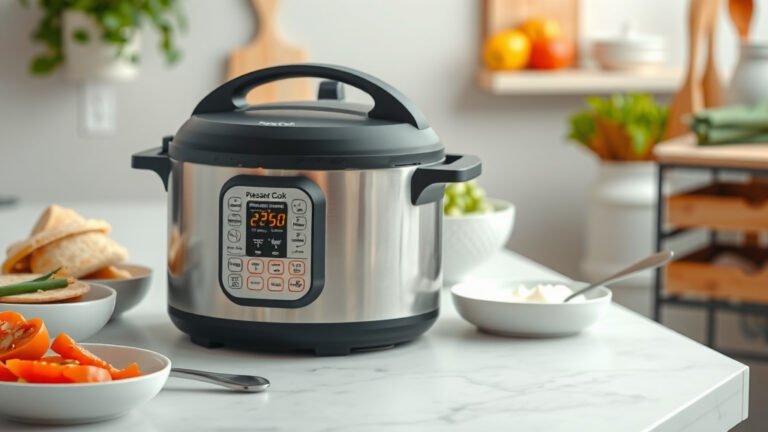
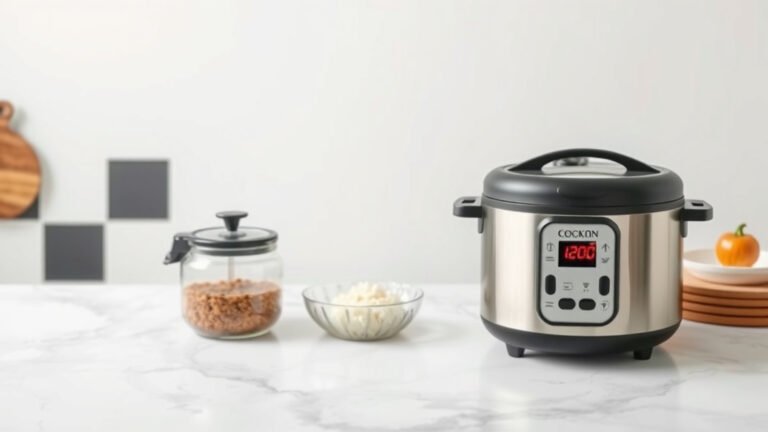
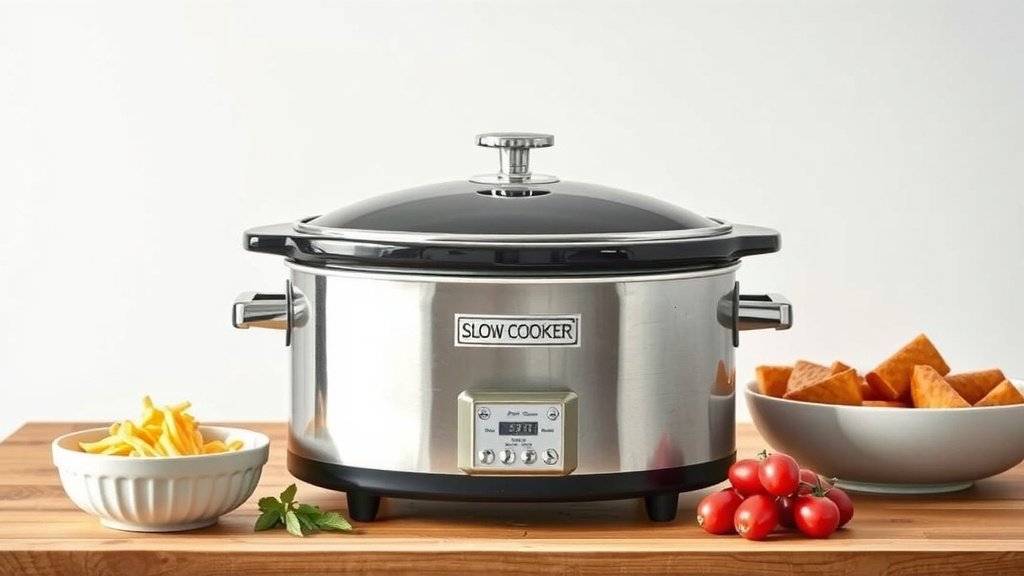
Placing your slow cooker on a stable, heat-resistant surface away from drafts is key for safe and even cooking. You want to ensure it has plenty of air circulation around it so the appliance doesn’t overheat. Think about a spot that’s easy to access and won’t get bumped during cooking.
The best location considers both your cooking needs and the safety of your home. A countertop near an outlet is usually ideal, but it should be far from cabinet overhangs. This also ensures your delicious meal stays put and doesn’t take a tumble. Many people forget about protecting their countertops from the heat.
- Stable surface: Use a flat, sturdy area.
- Heat resistance: Protect your counters.
- Airflow: Give it room to breathe.
- Outlet access: Make plugging in easy.
- Avoid drafts: Keep heat consistent.
Let’s get your slow cooker set up in the perfect spot so you can start cooking up something amazing. We’ll walk through the best considerations so you don’t have to guess.
Choosing the Right Spot for Your Slow Cooker
So, you’ve got your slow cooker ready to go, and you’re wondering, “Where should this thing live while it’s cooking?” It’s more important than you might think! Placing your slow cooker in the wrong spot can lead to uneven cooking, potential safety hazards, or even damage to your kitchen surfaces. We’re here to help you find that perfect, safe haven for your bubbling pot of deliciousness.
The ideal location for your slow cooker balances several factors: safety, convenience, and optimal cooking conditions. It’s not just about plugging it in; it’s about setting yourself up for success. Let’s break down the key considerations.
The Foundation: Stability and Surface Protection
First things first, your slow cooker needs a solid base. Imagine trying to balance a wobbly stack of books – not a good situation, right? The same applies here. You want a surface that won’t budge or wobble, especially when the cooker is full of hot food.
Countertop Considerations
Most people default to the kitchen countertop, and that’s usually a great choice. But not all countertops are created equal when it comes to heat.
Some materials, like laminate or certain types of solid surface counters, can be sensitive to prolonged heat. We’ve heard stories of folks finding discolored or even warped spots on their counters after a long cooking session. To prevent this, research and found that using a heat-resistant trivet or mat is a smart move (Good Housekeeping Institute). This creates a protective barrier between your slow cooker and your precious countertop.
Other Stable Surfaces
What if your countertop isn’t ideal, or you need the space? A sturdy, level kitchen table can work in a pinch. Just ensure it’s not flimsy. You could also consider a dedicated kitchen cart or island. The key is that it’s flat, stable, and can handle the heat. Never, ever place your slow cooker directly on the floor, especially if you have pets or small children who might bump into it.
Breathing Room: Airflow and Heat Dissipation
Your slow cooker, like any appliance, needs to breathe. It generates heat, and that heat needs somewhere to go. Think of it like a computer – too much heat build-up and things start to malfunction.
The Importance of Clearance
We often see slow cookers tucked away under cabinets or crammed between other appliances. This is a big no-no! Manufacturers generally recommend at least 2-3 inches of clearance on all sides, including above. This allows for proper air circulation, preventing the unit from overheating.
Overheating can shorten the lifespan of your slow cooker and, more importantly, create a fire hazard. We found that placing it too close to cabinet overhangs can trap heat directly above the unit, potentially damaging the cabinets over time (Underwriters Laboratories – UL). So, give your cooker some elbow room.
Avoiding Drafts and Temperature Fluctuations
While airflow is good, drafts are not. Placing your slow cooker near an open window or a frequently opened door can lead to inconsistent cooking temperatures. The drafts can cool down one side of the cooker more than the other, resulting in food that’s cooked unevenly. You want a stable environment for your food to cook gently and evenly over several hours.
Powering Up: Outlet Access and Cord Safety
You can’t cook without power, can you? Finding a spot near a convenient electrical outlet is essential. You don’t want to be stretching cords across busy walkways, creating a tripping hazard.
Cord Management
Keep the power cord tidy. Avoid draping it over hot surfaces or where it can be easily pulled. A loose cord is an accident waiting to happen. We found that ensuring the cord is routed safely away from the cooking area is a simple step that greatly reduces risk (National Fire Protection Association – NFPA).
Dedicated Space
If possible, try to designate a specific spot for your slow cooker when it’s in use. This makes it easier to manage cord placement and ensures it won’t be moved unexpectedly. This spot should be large enough to accommodate the cooker itself, plus the necessary clearance we talked about.
Convenience Factors: Ease of Access and Monitoring
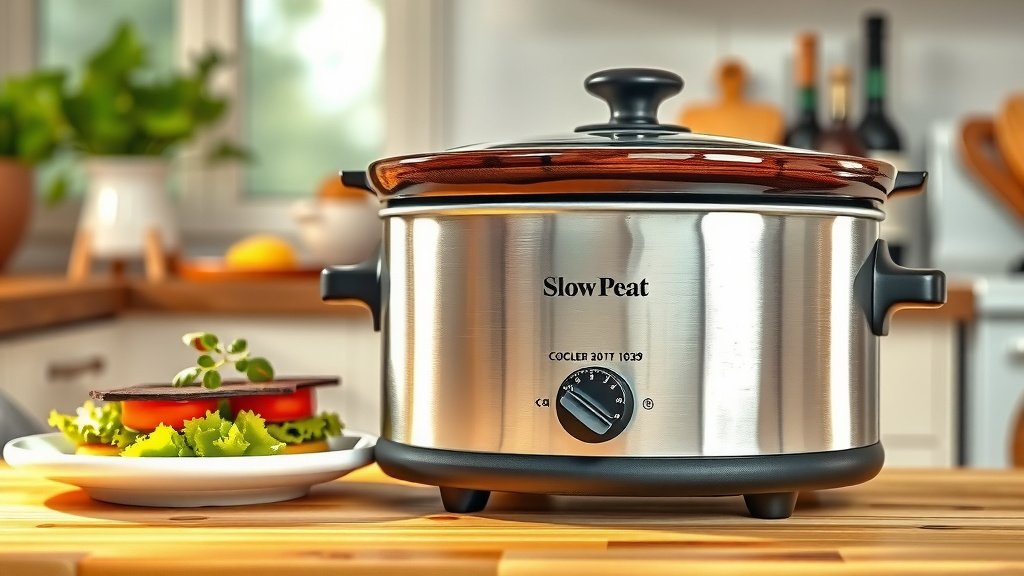
Once you’ve got the safety and functional aspects covered, think about how easy it is to actually use the slow cooker.
Easy to Reach
You’ll need to access the slow cooker to add ingredients, stir occasionally (if your recipe calls for it), and, of course, serve the finished meal. A spot that’s easy to reach without having to stand on your tiptoes or contort yourself is ideal.
Visibility for Monitoring
It’s also helpful if you can easily see your slow cooker. While they don’t usually require constant attention, being able to glance over and check on its progress can give you peace of mind. If your slow cooker has a glass lid, you can monitor cooking without lifting it, which is great for maintaining heat.
A Quick Checklist for the Perfect Spot
To sum it all up, here’s a quick rundown of what to look for:
- Stable Surface: Is it flat and sturdy?
- Heat Protection: Is there a trivet or is the surface heat-resistant?
- Airflow: Is there space around it (2-3 inches)?
- Outlet Nearby: Can you plug it in easily and safely?
- Out of the Way: Is it protected from bumps and drafts?
- Easy to Access: Can you reach it without strain?
By taking a few moments to consider these points, you’re setting yourself up for a smoother, safer, and more delicious slow-cooking experience. Now, go forth and cook something amazing!
Conclusion
You’ve learned that finding the perfect spot for your slow cooker is about more than just convenience. It’s about ensuring safety, protecting your kitchen surfaces, and guaranteeing your meals cook evenly. Remember to prioritize a stable, heat-resistant surface with plenty of airflow, away from drafts and busy pathways. Make sure you have easy outlet access and keep cords tidy. By following these simple guidelines, you’re setting yourself up for successful, delicious meals every time. Now, go ahead and place your slow cooker in its ideal location and get cooking!
Frequently Asked Questions
Can I put my slow cooker directly on my granite countertop?
Generally, yes, most granite countertops are heat-resistant. However, prolonged direct heat can sometimes cause discoloration. To be safest, place your slow cooker on a trivet or mat, especially for long cooking times. This provides an extra layer of protection for your beautiful granite.
Is it okay to use my slow cooker under a cabinet overhang?
It’s best to avoid placing your slow cooker directly under cabinet overhangs. Manufacturers recommend at least 2-3 inches of clearance on all sides, including above. This allows for proper ventilation, preventing heat buildup that can damage your cabinets over time and ensure your appliance functions optimally.
My kitchen is small. Where can I put my slow cooker if counter space is limited?
If counter space is tight, consider a sturdy kitchen cart, a stable kitchen island, or even a heat-resistant mat on a solid dining table. Just ensure the surface is level, stable, and can handle the heat. Always keep it away from walkways where it could be bumped.
Does it matter if my slow cooker is near a window?
Yes, it can matter. Placing your slow cooker near a drafty window or an exterior door can lead to uneven cooking temperatures. The moving air can cool one side of the cooker more than the other, resulting in food that cooks inconsistently. Aim for a spot with a more stable ambient temperature.
How close can the slow cooker be to other appliances?
Keep your slow cooker at least 2-3 inches away from other appliances, walls, or furniture. This is crucial for adequate airflow, preventing overheating of both the slow cooker and any nearby items. Good ventilation ensures your slow cooker works efficiently and safely.