Rice Cooker Overflowing? Find Out Why Now
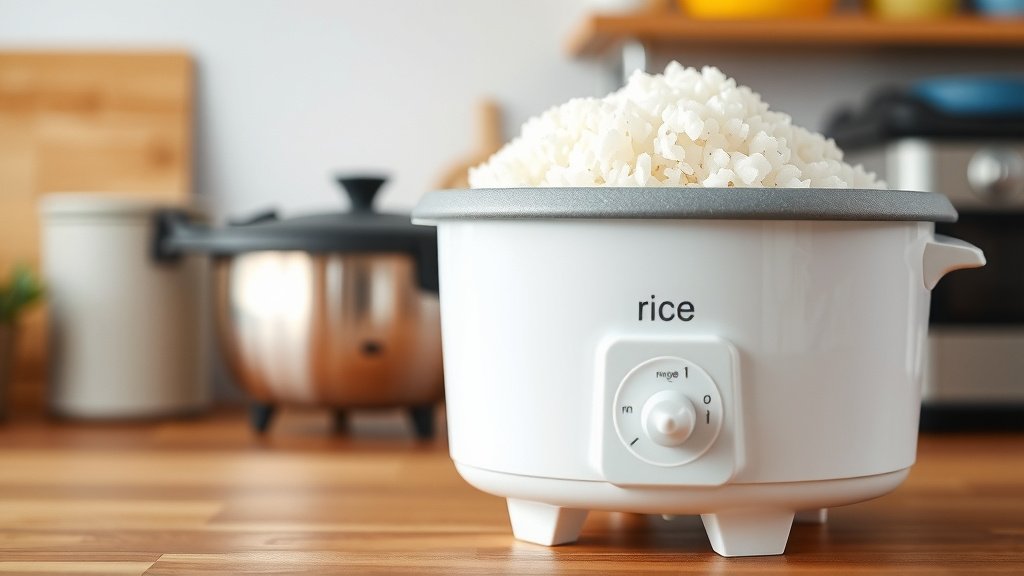
Your rice cooker is overflowing because the **starch from the rice is creating too much foam** during the cooking cycle. This happens when the water-to-rice ratio is off or when you’re cooking certain types of rice. A common culprit is adding too much water for the amount of rice you’re using.
Understanding why your rice cooker is bubbling over can save you from messy countertops and burnt-on gunk. It’s often a simple fix related to ingredient measurements or the type of rice. We’ve looked into the common causes to help you avoid this kitchen mishap and achieve perfectly cooked rice every time.
- Too much water is the main reason for overflow.
- Rice starch creates foam that expands.
- Some rice types foam more than others.
- Check your water-to-rice ratio carefully.
- Rinsing rice can help reduce starch.
Let’s dive into the specific reasons why this is happening and how you can easily prevent it for future rice-cooking success.
Understanding Why Your Rice Cooker Bubbles Over
It’s a common kitchen mystery: you set your rice cooker, expecting perfectly steamed grains, only to find a starchy mess bubbling over the sides. Don’t worry, you’re not alone! This overflow usually comes down to a few key factors, and understanding them can save your countertops from a sticky fate.
The Starch Factor: Rice’s Natural Foaming Agent
The primary reason for that messy overflow is the **starch released from the rice**. As rice cooks, it releases starches into the water. This creates a frothy, foamy liquid that expands significantly. If there isn’t enough room in the pot for this expansion, it has nowhere to go but up and out.
Why Does Starch Foam Up So Much?
Think of it like boiling pasta without a big enough pot. The starch molecules get agitated by the heat and water. They form tiny bubbles, trapping steam. These bubbles are what create the foam. Some rice types release more starch than others. This means they’re more prone to producing a vigorous foam.
Rinsing Your Rice: A Simple Solution
One of the easiest ways to combat excess starch is by simply **rinsing your rice** before cooking. This process washes away a good portion of the surface starch. We found that a quick rinse under cool water until the water runs mostly clear can make a big difference. It’s a small step that can prevent a big mess.
The Water-to-Rice Ratio: Your Biggest Clue
This is often the **number one culprit** for rice cooker overflow. Too much water for the amount of rice you’re using is a recipe for disaster. The extra water gives the starch more room to expand into a larger volume of foam. It’s like trying to fit too many bubbles into a small glass – they’ll spill over.
What’s the Correct Ratio?
Different rice types require different amounts of water. Always check the packaging of your rice for specific instructions. For most white rice varieties, a common starting point is a 1:1.5 or 1:2 ratio of rice to water. Brown rice typically needs a bit more water, often around 1:2 or 1:2.5.
Consulting Your Rice Cooker’s Manual
Your rice cooker manual is your best friend here. It will often provide recommended water levels for different types of rice. Many modern rice cookers even have measuring lines inside the pot. Using these guides ensures you’re not adding too much liquid from the start.
Common Ratio Mistakes to Avoid
Are you guessing the water amount? That’s a common mistake. Or perhaps you’re using a measuring cup that isn’t accurate. Sometimes, even settling the rice in the pot can affect how much water it seems to need. Always measure your rice and water carefully. A slight overage can lead to a significant overflow.
Different Rice Types, Different Behaviors
Not all rice is created equal when it comes to cooking. Some varieties are naturally starchier and more prone to foaming. This means they might require slightly different handling than others. Understanding your rice type can help you anticipate potential overflow issues.
The Usual Suspects: Starchier Grains
We found that short-grain and medium-grain rice, like Arborio (used for risotto) or sushi rice, tend to release more starch than long-grain varieties like Basmati or Jasmine. If you’re cooking sticky rice or glutinous rice, prepare for extra foam. These are naturally high in amylopectin, a type of starch that creates a very sticky, foamy texture.
Tips for Starchier Rice Varieties
When cooking these types, extra care with the water ratio is key. Thorough rinsing is also essential. Some people even recommend adding a tiny amount of oil or a few drops of lemon juice to the water. Research suggests this can help break down the surface tension of the bubbles, preventing them from forming such a robust foam (National Institutes of Health).
Troubleshooting Other Potential Causes
While water ratio and starch are the main culprits, a couple of other things could be contributing to your rice cooker’s overflowing habit. Let’s look at those.
Is Your Rice Cooker Clean?
Old starchy residue clinging to the inside of your rice cooker can sometimes contribute to foaming. If the heating element or the inside of the pot isn’t clean, it can interfere with the cooking process. A good scrub after each use is recommended.
Using the Wrong Type of Pot?
Make sure you are using the inner pot that came with your rice cooker. If you’ve lost it and are using a substitute, it might not be designed for the heating mechanism. This could lead to uneven cooking and potentially more foam.
Preventative Checklist for Perfect Rice
Want to ensure your next batch of rice is mess-free? Keep this simple checklist handy:
- Measure your rice and water accurately.
- Rinse your rice until the water runs clear.
- Consult your rice cooker manual for the correct ratios.
- Know your rice type and its starchiness.
- Clean your rice cooker pot thoroughly after each use.
- Don’t overfill the rice cooker past its maximum line.
Conclusion
Dealing with an overflowing rice cooker can be frustrating, but now you know it’s usually a simple fix. The main culprits are excess rice starch and an incorrect water-to-rice ratio. By remembering to rinse your rice thoroughly and measure your ingredients carefully, you can avoid messy overflows. Always check your rice packaging and rice cooker manual for the best results. You’ve got this! Your next batch of perfectly cooked rice is just a mindful measurement away. Start by rinsing your rice for your very next cook.
Frequently Asked Questions
Can I use tap water to rinse my rice?
Yes, you can use tap water to rinse your rice. The goal is simply to remove excess surface starch. Just rinse under cool running water until the water is mostly clear. This small step is a big help in preventing overflows.
What happens if I don’t rinse my rice?
If you skip rinsing, more starch will remain on the rice grains. This extra starch will release into the water during cooking, creating more foam. Without enough room in the pot, this foam is more likely to bubble over your rice cooker.
How much oil should I add to prevent overflow?
If you choose to add oil for starchier rice, use only a tiny amount. A few drops or about half a teaspoon is usually enough. Too much oil can affect the taste and texture of your rice, so use it sparingly.
My rice cooker has a maximum fill line, why is it still overflowing?
Even if you stay below the maximum fill line, an incorrect water-to-rice ratio or too much starch can still cause overflow. The foam generated by cooking needs space to expand. Always follow the recommended ratios for your specific rice type.
Can I leave my rice cooker unattended while it’s cooking?
It’s generally best to avoid leaving your rice cooker completely unattended, especially if you’re new to cooking a certain type of rice or have had overflow issues before. Checking on it occasionally, particularly during the initial boiling phase, can help you catch potential problems early.