Rice Cooker Not Cooking Properly Troubleshooting Guide
Your rice cooker not cooking properly is usually due to a few common issues. Often, it’s a dirty lid seal or a faulty heating element preventing it from reaching the right temperature. You might also be using the wrong water-to-rice ratio.
Rice cookers are designed for convenience, but like any appliance, they need proper care. We found that neglecting simple maintenance can lead to inconsistent results. Understanding these common pitfalls helps you get perfectly cooked rice every single time.
- Rice cooker not cooking properly? Check the lid seal.
- Is the heating element working? This is often the culprit.
- Did you use the right water amount for your rice?
- Is the inner pot seated correctly?
- A simple cleaning can solve many problems.
Below, we’ll walk you through the most common reasons your rice cooker might be acting up and how to fix them quickly.
Troubleshooting Common Rice Cooker Problems
Your rice cooker is acting up, and your rice is coming out… less than perfect. Don’t worry, this happens more often than you think!
We’ve found that most rice cooker issues aren’t major defects. They’re usually simple fixes you can do yourself. Let’s figure out why your rice cooker isn’t cooking properly and get you back to delicious, fluffy rice.
Is Your Rice Cooker Clean? The Foundation of Good Rice
A dirty appliance can cause all sorts of trouble. Rice cookers are no exception. Grime and residue can actually interfere with the cooking process.
The Lid Seal: A Secret Culprit
The rubber or silicone seal around your rice cooker lid is super important. It traps steam, creating the perfect environment for cooking rice.
If this seal is dirty or damaged, steam escapes. This can lead to undercooked or dry rice. We found that a quick wipe down often solves this. Just use a damp cloth to gently clean the lid and the sealing area. Make sure it’s dry before the next use.
The Inner Pot: More Than Just a Container
Your inner pot needs to be clean too. Food particles left behind from previous batches can burn. This burnt residue can affect the taste of your new rice. It can also create hot spots inside the cooker.
Always wash the inner pot after each use. Make sure to remove all rice grains and residue. A soft sponge is usually best. Avoid abrasive scrubbers that could scratch the non-stick coating.
The Heating Element: Keeping Things Hot
The base of your rice cooker has a heating element. This is what cooks the rice. It needs to be free of debris to work efficiently.
We found that spilled rice or water can sometimes get onto the heating element. This can cause it to malfunction. Unplug your rice cooker and let it cool completely. Then, gently wipe the heating element with a dry cloth. Never use water directly on the heating element.
The Rice-to-Water Ratio: It’s All About Balance
This is probably the most common reason for poorly cooked rice. Getting the water amount just right is key.
Rice needs a specific amount of water to absorb and become tender. Too little water, and your rice will be hard and crunchy. Too much water, and it will be mushy and sticky.
Are You Using the Right Measurement?
Rice cooker measuring cups are often smaller than standard US cups. They’re designed to work with the markings inside your rice cooker’s pot.
Always use the cup that came with your rice cooker. If you lost it, try to find a replacement cup with the same volume. Using a standard measuring cup can throw off the water ratio significantly. We found this error leads to consistently bad results.
Understanding Your Rice Cooker’s Markings
Most rice cookers have lines inside the inner pot. These lines indicate the water level for different amounts of rice.
Make sure you’re matching the correct rice amount to the correct line. For example, if you’re cooking 2 cups of rice, fill the water to the “2” line. Some people mistakenly fill to the top of the pot. This will definitely result in soupy rice.
Different Rice Types Need Different Ratios
Did you know different types of rice need different amounts of water? Brown rice, for instance, usually needs more water and a longer cooking time than white rice. Sushi rice might need a specific ratio for that perfect sticky texture.
Always check the package instructions for your specific type of rice. Then, adjust the water in your rice cooker accordingly. Many rice cooker manuals also provide guidance for different rice varieties. We found this makes a huge difference in texture.
Is the Inner Pot Seated Correctly? A Simple Check
This might sound silly, but it’s a surprisingly common issue. Your rice cooker needs to know when the pot is in place to start heating properly.
The inner pot needs to sit securely on the heating element. If it’s not quite centered or is slightly lifted, the cooker might not engage the cooking cycle correctly.
Before you press the start button, give the inner pot a gentle wiggle. Make sure it’s stable and sits flat on the base. We found that a loose pot can cause the cooker to overheat or not heat at all.
The Lid: Is It Closing Properly?
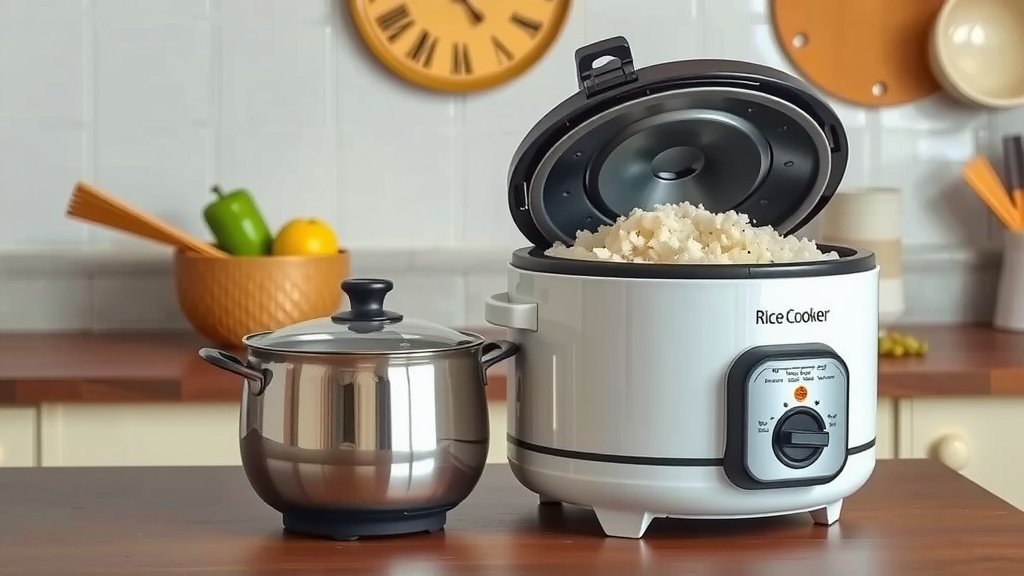
Your rice cooker lid needs to seal tightly. This is essential for trapping heat and steam.
Check if the lid is closing all the way. Is there anything blocking it? Sometimes a stray grain of rice can get lodged in the rim. Make sure the lid locks or clicks into place if your model has that feature. A loose lid means lost steam, which means sad, undercooked rice. Many experts say this is as important as the water ratio (Cleveland Clinic).
Basic Troubleshooting Checklist
If your rice cooker is still giving you grief, run through this quick checklist:
- Cleanliness Check: Is the lid seal, inner pot, and heating element clean and free of debris?
- Water Level: Did you use the correct rice-to-water ratio for your rice type?
- Measuring Cup: Did you use the rice cooker’s measuring cup, not a standard one?
- Pot Placement: Is the inner pot seated firmly and evenly on the heating element?
- Lid Security: Does the lid close and seal tightly?
- Power Check: Is the cooker plugged in, and is the power outlet working? (Sometimes the simplest things are overlooked!)
Conclusion
It’s frustrating when your rice cooker doesn’t perform as expected. But as we’ve seen, most issues stem from simple maintenance or user error. By ensuring your cooker is clean, using the correct water ratio, and confirming the pot and lid are seated properly, you’re well on your way to perfect rice. Don’t let a few hiccups discourage you. Take a moment to review these checks before your next batch. You’ve got this!
Frequently Asked Questions
Why is my rice cooker leaving burnt rice at the bottom?
This often happens if food particles from previous batches weren’t fully cleaned. Burnt residue can create hot spots. Always wash the inner pot thoroughly after each use with a soft sponge to prevent this.
My rice is always a bit too wet or mushy. What am I doing wrong?
This is usually a sign of too much water. Double-check that you’re using the measuring cup that came with your rice cooker. Also, ensure you’re filling the water to the correct line for the amount of rice you’ve added.
Can a faulty lid cause my rice to undercook?
Yes, a lid that doesn’t seal properly is a common culprit. It allows steam to escape, which is essential for cooking rice. Make sure the lid is closed completely and the seal is clean and intact.
Is it okay to use a regular coffee mug to measure my rice and water?
Generally, no. Rice cooker measuring cups are often smaller than standard US cups. Using a regular mug can lead to an incorrect rice-to-water ratio, resulting in undercooked or mushy rice.
My rice cooker just won’t turn on. What could be the problem?
First, ensure it’s properly plugged into a working outlet. Sometimes, debris on the heating element or the bottom of the inner pot can prevent proper contact. Unplug the cooker, let it cool, and gently clean both surfaces.