What Is a Slow Cooker: Your Guide to Effortless Meals
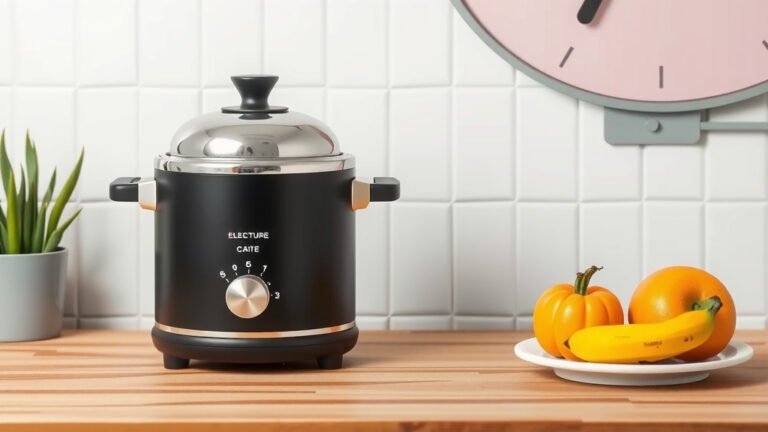
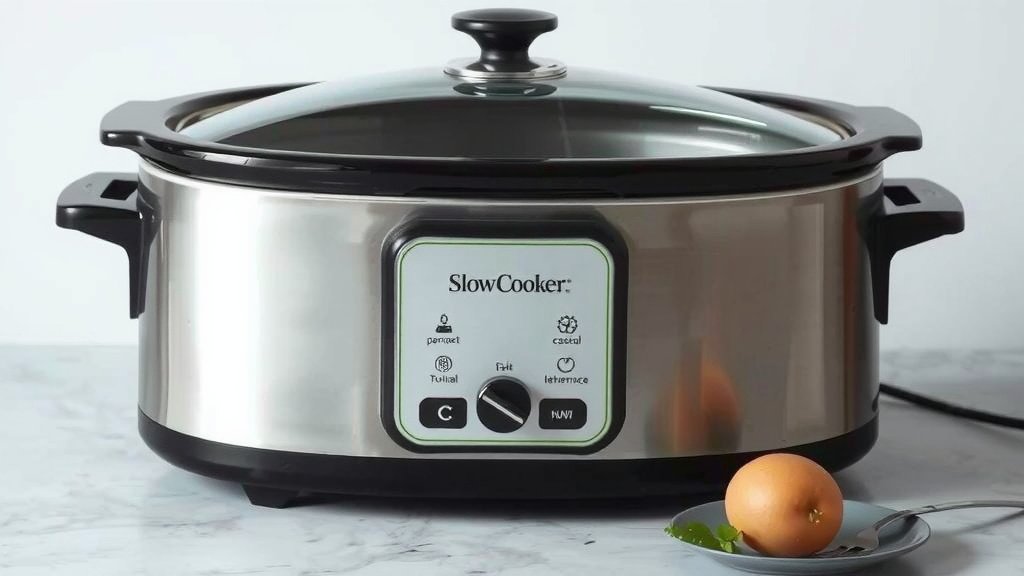
A slow cooker, often called a Crock-Pot, is a countertop electric pot that cooks food at a low temperature over a long period. It’s perfect for busy people because you can add ingredients in the morning and have a hot meal ready by dinner time. Think of it as your kitchen’s magical helper.
These kitchen appliances are designed for convenience and tender results. They use moist heat and low, steady temperatures to slowly break down tougher cuts of meat, making them incredibly tender and flavorful. You can cook everything from soups and stews to roasts and even desserts.
- Slow cookers cook food low and slow.
- They save you time by cooking unattended.
- They make tough meats very tender.
- Great for soups, stews, roasts, and more.
- Requires minimal prep work.
Ready to discover how this simple appliance can change your weeknight dinners? Let’s get into the details of what a slow cooker is and why you might want one.
How a Slow Cooker Works Its Magic
So, you’re wondering how this countertop appliance actually cooks your food? It’s simpler than you might think!
A slow cooker uses three main parts: a heating element, a ceramic or porcelain pot (the insert), and a lid. The heating element is typically located at the base or around the sides of the cooker. It gently warms the insert, creating a low, consistent temperature inside. This low heat cooks your food thoroughly and evenly over several hours.
The Science of Slow and Low
The magic happens with the combination of low temperature and moist heat. When you add ingredients, the slow cooker creates a steamy environment. This moist heat is fantastic for breaking down tough muscle fibers in meats. Tougher cuts, like chuck roast or pork shoulder, become incredibly tender and juicy. It’s a culinary transformation that doesn’t happen with quick cooking methods.
Many guidelines suggest that slow cookers operate within a temperature range of 170°F to 280°F (77°C to 138°C) on their low and high settings (University of Nebraska-Lincoln Extension). This range is perfect for simmering and braising without drying out your food. It allows flavors to meld together beautifully.
Understanding the Settings: Low vs. High
Most slow cookers have at least two temperature settings: “Low” and “High.” It’s a common question, so let’s break them down.
- Low Setting: This setting is ideal for recipes that require longer cooking times, usually 6 to 10 hours. It’s perfect for tougher cuts of meat that need a lot of time to become tender. Think of your Sunday pot roast or a hearty stew.
- High Setting: This setting cooks food faster, typically in 3 to 5 hours. It’s great when you’re shorter on time but still want that slow-cooked flavor. It works well for recipes like chili or certain chicken dishes.
We found that the “High” setting often reaches a higher temperature more quickly, but the final result is often similar to “Low” over a longer period. The key is planning your meal prep time.
Key Components Explained
The Insert (Crock)
This is the part you put the food in. Most inserts are made of ceramic or porcelain. They retain heat well and distribute it evenly. Some are dishwasher safe, making cleanup a breeze. You can often buy these inserts separately if you need a replacement or an extra.
The Lid
The lid is designed to fit snugly onto the insert. Its main job is to trap steam and moisture inside the cooker. This keeps your food moist and prevents it from drying out during the long cooking process. Glass lids are common, allowing you to peek at your food without lifting it off.
The Heating Unit
This is the base that houses the heating element. It plugs into a standard electrical outlet. It’s important to place the insert into the heating unit before adding your ingredients. You should never use the insert on a stovetop or in the oven unless it’s specifically designed for that purpose.
What Makes a Slow Cooker So Convenient?
The real draw of a slow cooker is its ability to simplify your life. It’s a kitchen workhorse for busy individuals and families.
Set It and Forget It Cooking
This is the most celebrated feature. You can prep your ingredients, put them in the slow cooker before you leave for work, and come home to a delicious, fully cooked meal. Imagine the aroma greeting you! This “set it and forget it” capability is a lifesaver on hectic days.
Many studies show that time-saving kitchen gadgets are highly sought after. The slow cooker tops the list for its ease of use and minimal supervision required (National Restaurant Association research). It frees up your hands and your mind.
Minimal Prep, Maximum Flavor
You often don’t need to do much chopping or fancy knife work. Many slow cooker recipes involve simply tossing ingredients into the pot. This means less time spent in the kitchen and fewer dishes to wash. The slow cooking process itself concentrates flavors, so simple ingredients can yield incredibly rich tastes.
Energy Efficiency
Compared to a large oven, slow cookers use very little electricity. They’re designed to operate efficiently for extended periods. This can translate to lower energy bills over time. It’s a greener way to cook, too!
Types of Foods Perfect for Slow Cooking
While slow cookers are often associated with hearty stews, their versatility extends much further.
Meats and Roasts
This is where slow cookers truly shine. Tougher, less expensive cuts of meat like beef chuck, pork shoulder, lamb shanks, and chicken thighs transform into incredibly tender, flavorful dishes. The low, slow heat breaks down connective tissues, making them melt-in-your-mouth delicious.
Soups and Stews
Naturally, soups and stews are ideal. You can simmer them for hours, allowing all the flavors to deepen and meld. From classic beef stew to creamy chicken noodle soup, the possibilities are endless. You can even make vegetarian lentil soup or hearty bean chili.
Grains and Beans
Cooking dried beans from scratch is easy in a slow cooker. No more soaking overnight! You can also cook grains like steel-cut oats for a perfect breakfast or quinoa for side dishes. This is a simple way to prepare wholesome staples.
Desserts and Appetizers
Yes, you can even make dessert! Think warm apple crisp, cheesecake, or even mulled cider. For appetizers, consider dips like spinach artichoke or buffalo chicken, or shredded meats for sliders.
A Quick Comparison: Slow Cooker vs. Other Appliances
How does it stack up against your other kitchen gadgets?
| Appliance | Primary Use | Cooking Time | Best For |
|---|---|---|---|
| Slow Cooker | Low, slow cooking | Hours (4-10+) | Tender meats, stews, unattended cooking |
| Oven | Baking, roasting | Minutes to hours | Breads, cakes, large roasts, multiple dishes |
| Stovetop (Pot/Pan) | Sautéing, boiling, simmering | Minutes to hours | Quick meals, sauces, boiling pasta |
| Pressure Cooker | High-pressure cooking | Minutes (10-40) | Fast tenderizing, beans, tough meats quickly |
Getting Started: Your First Slow Cooker Meal Checklist
Ready to try it out? Here’s a simple checklist to help you get started:
- Choose a simple recipe (like chili or shredded chicken).
- Gather all your ingredients.
- Do any necessary chopping or measuring.
- Add ingredients to the slow cooker insert.
- Secure the lid and set your desired cooking time and temperature.
- Relax and let the cooker do the work!
Conclusion
You’ve learned that a slow cooker is your kitchen’s best friend for convenient, delicious meals. It uses low, steady heat to make tough meats tender and flavors meld beautifully. The “set it and forget it” nature saves you precious time on busy days. From hearty stews to simple shredded chicken, this appliance simplifies cooking. Ready to transform your weeknight dinners? Your next delicious meal is just a few ingredients away – simply choose a recipe and let your slow cooker work its magic!
Frequently Asked Questions
Can I leave my slow cooker on overnight?
Generally, it’s safe to leave most modern slow cookers on overnight, especially for recipes like roasts or stews. Always check your appliance’s manual for specific guidelines. Ensure the ingredients are safe for long cooking periods without spoilage.
What’s the difference between “Low” and “High” settings?
The “Low” setting cooks food slowly over a longer time, typically 6-10 hours, perfect for tenderizing tougher meats. The “High” setting cooks faster, usually 3-5 hours, for when you have less time. Both settings eventually reach similar temperatures.
Can I put frozen meat in a slow cooker?
It’s usually best to thaw meat before putting it in the slow cooker. Cooking frozen meat takes much longer and can keep the food in the “danger zone” for too long, where bacteria can grow. Always aim for thawed ingredients for safe and even cooking.
What kinds of dishes can you make besides stews?
Slow cookers are surprisingly versatile! You can make pulled pork, pot roast, shredded chicken, chili, soups, and even desserts like apple crisp or cheesecake. Many people also use them for cooking dried beans or grains like oatmeal.
How do I clean a slow cooker?
Most slow cooker inserts are dishwasher safe, making cleanup very easy. If washing by hand, use warm, soapy water and a non-abrasive sponge. The heating base should only be wiped clean with a damp cloth; never immerse it in water.