Slow Cooker Food Burning Causes & Prevention
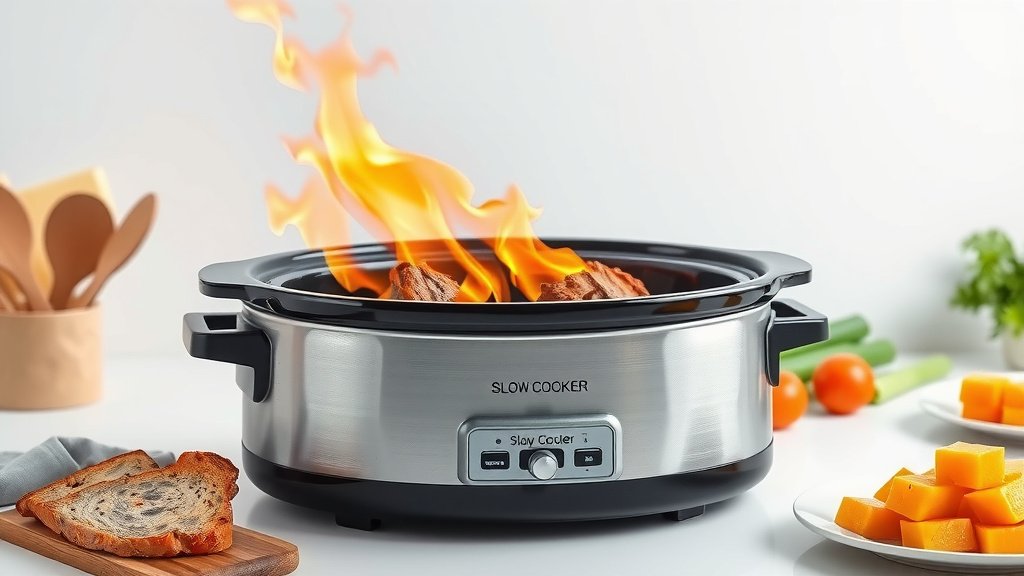
Your slow cooker food is burning because the heat is too high, or there’s not enough liquid. This common problem can turn a delicious meal into a disappointing mess. We found that adjusting the heat setting and ensuring proper moisture levels are key to preventing burnt food.
It’s frustrating when your slow cooker meal scorches. This can happen due to several factors, including the type of ingredients you use and how they’re placed in the pot. Many home cooks overlook the importance of liquid content, leading to dry, burnt results.
- Food burns in slow cookers mainly due to high heat or insufficient liquid.
- Thicker recipes and certain ingredients are more prone to sticking and burning.
- Using the wrong setting or overcooking can also be culprits.
- Always ensure enough moisture and check your appliance’s specific quirks.
Let’s dive into the common reasons why your slow cooker might be burning your food and how you can easily fix it for perfect meals every time.
Common Reasons Your Slow Cooker Food Is Burning
It’s a kitchen tragedy we’ve all faced: the smell of burning food wafting from your slow cooker. You were expecting tender, delicious results, but instead, you’re met with a scorched mess. Don’t worry, this is a common problem, and we’ve researched the most likely culprits. Understanding these reasons will help you avoid burnt meals and get back to enjoying easy, slow-cooked dinners.
The Heat Setting: Is It Too High?
One of the most frequent reasons food burns is using a heat setting that’s simply too high. Slow cookers are designed for gentle, long cooking. Many models have a “High” setting that can actually get quite hot, even boiling rapidly. If your recipe doesn’t call for a high-heat simmer, this setting can easily scorch the bottom layers of your food. We found that many home cooks underestimate how hot the “High” setting can truly be, especially on older or more powerful models. Many experts suggest that the “High” setting can sometimes cook food at temperatures similar to a stovetop simmer (Mayo Clinic). Understanding how hot the “High” setting can truly be is crucial for preventing scorching.
Understanding Your Cooker’s Settings
Not all slow cookers are created equal. Some run hotter than others. If you’re unsure about your appliance, do a test run. You can place a cup of water in your slow cooker and set it to “Low” for two hours. If it boils vigorously, you know to use lower settings or shorter cooking times for delicate dishes. Research suggests that temperature variations between slow cooker brands are quite significant, so getting to know yours is key (Food & Drug Administration).
When to Use “Low” vs. “High”
Generally, the “Low” setting is ideal for most recipes, especially those requiring longer cooking times (6-8 hours). The “High” setting is usually for when you need to speed things up, perhaps cutting the cooking time by about half, but it also increases the risk of burning. If you’re making something like a pot roast or stew that benefits from long, slow cooking, stick to “Low.” Recipes that are more delicate, like certain desserts or pasta dishes, might even need the “Warm” setting if they’re prone to overcooking.
Not Enough Liquid: The Moisture Factor
Another major reason your food is sticking and burning is a lack of sufficient liquid. Liquids in a slow cooker serve a dual purpose: they help distribute heat evenly and create steam, which cooks your food gently. If there isn’t enough liquid, the heat can become concentrated in certain spots, leading to scorching. We found that thicker stews or dishes with ingredients that don’t release much moisture are particularly susceptible.
How Much Liquid Is Enough?
A good rule of thumb is that most slow cooker recipes should have at least 1/2 cup to 1 cup of liquid. However, this can vary. For example, a large roast might need less added liquid because the meat itself will release moisture as it cooks. On the other hand, a recipe with lots of dry ingredients like beans or grains will need more. Many cooking guides recommend ensuring that at least 2/3 of your ingredients are submerged in liquid for optimal results. This ensures even cooking and helps prevent sticking (University Extension Services).
What Kind of Liquid to Use
Water is a perfectly fine liquid base, but broths, stocks, wine, or even tomato juice can add flavor and richness. If you’re using a recipe that calls for a lot of liquid, consider that some ingredients absorb it. Pasta, rice, and dried beans are prime examples. If your recipe includes these, you may need to add extra liquid beyond the standard recommendation to account for absorption. We found that for every cup of dry pasta or rice, you might need an additional 1/2 cup of liquid.
Ingredient Choices and Placement Matter
The types of ingredients you choose and how you layer them in the slow cooker can also contribute to burning. Some ingredients are more prone to sticking than others, especially if they are placed directly on the bottom of the pot. We found that recipes with a high fat content or ingredients that caramelize easily, like onions or sugars, need careful attention.
Fat and Sugars: The Sticking Suspects
Fat, especially from meats, can render down and pool at the bottom, creating a layer that easily burns. Similarly, recipes with added sugars or ingredients that naturally caramelize, like tomatoes or root vegetables, can stick and burn if the heat is too high or there isn’t enough liquid to keep them from drying out. Many culinary sources advise searing meats before adding them to the slow cooker to reduce excess fat and improve texture, which can also help prevent sticking.
Layering Your Ingredients Wisely
The order in which you add your ingredients can make a difference. It’s often best to place heartier ingredients like root vegetables (carrots, potatoes) and tougher cuts of meat on the bottom of the slow cooker. These ingredients can withstand more heat and will help protect the more delicate items placed on top. If you’re adding ingredients like pasta or grains, try to keep them submerged in liquid. We found that placing softer vegetables or dairy products towards the top helps prevent them from overcooking or sticking.
Overcooking and Oven-Safe Inserts
Sometimes, the issue isn’t so much the slow cooker itself as it is the cooking time. Overcooking is a common pitfall that can lead to dry, tough, and even burnt food. When food is left in the slow cooker for too long, the moisture evaporates, and the ingredients start to break down, eventually scorching. Many experts recommend sticking closely to recipe times and checking for doneness a little before the stated end time (Food Network).
Using Oven-Safe Inserts
Many slow cookers come with removable ceramic or stoneware inserts. These are great, but if yours is also oven-safe, you might be tempted to pre-cook or finish dishes in the oven. While this can be useful, make sure you understand how your slow cooker insert performs in the oven. Some inserts can develop hot spots or crack if not used correctly. If you’re experiencing burning, ensure you’re not using an oven-safe insert on a heat setting that’s too high, either in the oven or on the slow cooker itself.
Quick Checklist to Prevent Burning
To help you remember the key steps to a perfectly cooked slow cooker meal, here’s a quick checklist:
- Always check your slow cooker’s manual for specific heat settings.
- Ensure adequate liquid; aim for at least 2/3 of ingredients submerged.
- Layer ingredients wisely: heartier items at the bottom.
- Consider searing meats first to reduce fat and improve flavor.
- Avoid overcooking by checking food for doneness early.
- Don’t be afraid to adjust cooking times based on your specific appliance.
Conclusion
It’s clear that burnt food in your slow cooker often comes down to a few key factors. You’ve learned that controlling the heat setting and ensuring there’s enough liquid are your primary defenses. Paying attention to the ingredients you choose and how you layer them also makes a big difference. Don’t forget that knowing your specific appliance’s quirks is essential for consistent results. So, the next time you’re setting up your slow cooker, remember these tips. You’re well on your way to enjoying perfectly tender, non-burnt meals with minimal effort!
Frequently Asked Questions
Why does food burn even on the “Low” setting?
Even the “Low” setting can sometimes cause burning if there isn’t enough liquid. This concentrates the heat, leading to scorching. Additionally, very delicate ingredients or those prone to caramelizing might burn if left too long, even on “Low.”
Can I add water if my slow cooker meal is looking too dry and starting to burn?
Yes, you can carefully add more liquid if your food is drying out and showing signs of burning. Use hot broth or water to avoid significantly lowering the cooking temperature. Stir gently to distribute the new liquid evenly.
Is it okay to leave the lid slightly ajar if I’m worried about burning?
No, it’s generally not recommended to leave the lid ajar. Slow cookers are designed to maintain a consistent temperature with the lid sealed. Leaving it open allows too much heat and moisture to escape, disrupting the cooking process and potentially causing uneven cooking or burning.
My recipe has a lot of vegetables. Will they burn easily?
Root vegetables and those with higher sugar content, like onions or carrots, can caramelize and stick if they aren’t adequately covered by liquid or if the heat is too high. Layering them on the bottom and ensuring they’re submerged can help prevent burning.
How can I tell if my slow cooker runs hotter than average?
You can test your slow cooker by placing a cup of water inside and setting it to “Low” for two hours. If the water boils vigorously, your cooker likely runs hotter than average. You can also check your appliance’s manual or online reviews for user feedback on its temperature performance.