Pressure Cooker Parts Explained: A Guide
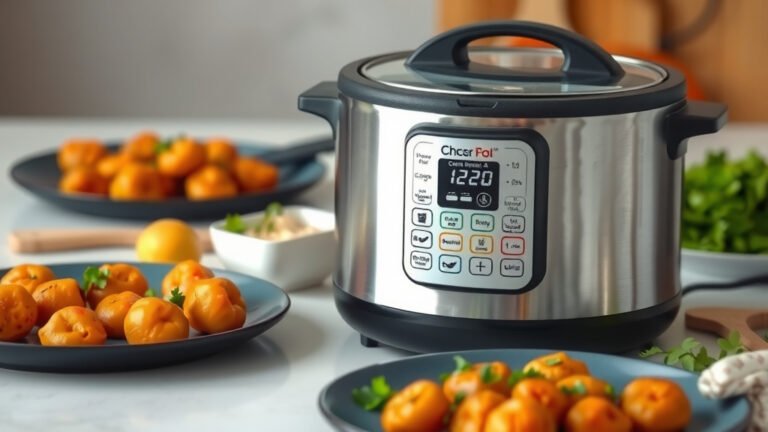
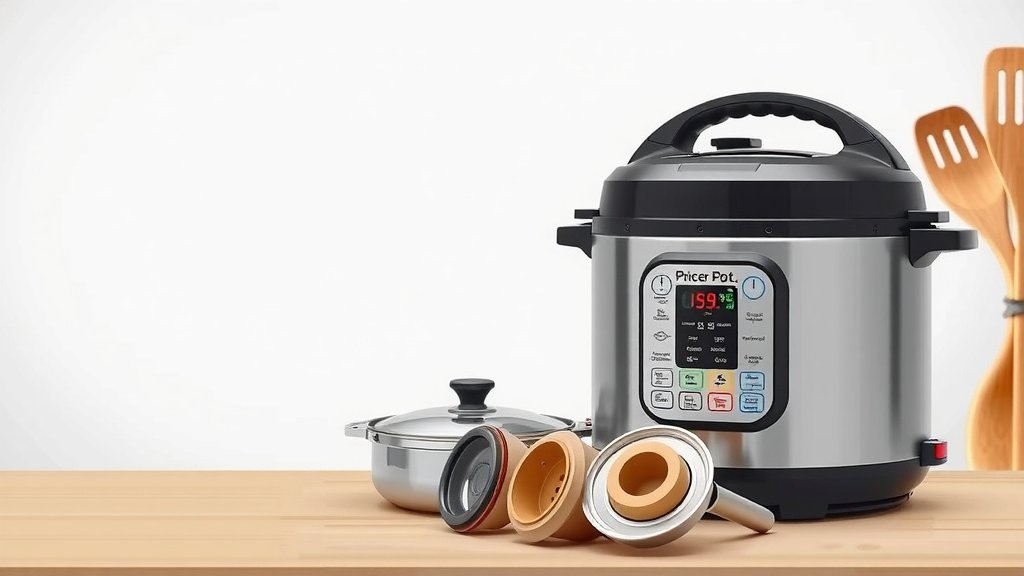
Your pressure cooker has several parts, each with a specific job. The main components include the inner pot, the lid, the locking mechanism, the pressure regulator, and the safety valve. Understanding these parts helps you use your cooker safely and effectively.
Knowing what each piece does is key to a great cooking experience. The lid seals in the steam, building pressure. The regulator controls that pressure. Safety valves are there for your peace of mind. We found that many users aren’t sure about the purpose of every dial and handle.
- Lid: Seals the pot to build pressure.
- Inner Pot: Where your food cooks.
- Regulator: Manages pressure release.
- Safety Valve: Protects against over-pressurization.
- Locking Mechanism: Ensures the lid is secure.
Let’s walk through each pressure cooker part so you feel completely confident using your appliance for delicious meals.
Understanding Your Pressure Cooker’s Anatomy
So, you’ve got this nifty pressure cooker, and it’s ready to transform your weeknight dinners. But what exactly makes it tick? We found that many users aren’t sure about the purpose of every dial and handle. Let’s break down the anatomy of your pressure cooker. Knowing these parts ensures you use your appliance safely and get the best results possible.
The Core Components: What’s Inside and Out
The Inner Pot: Your Food’s Home
This is where all the magic happens! The inner pot is the main container for your food and liquid. Most modern pressure cookers have a removable inner pot. This makes cleaning a breeze. Many are made from stainless steel or have a non-stick coating. We found that stainless steel is durable and doesn’t react with acidic foods.
The Lid: Creating the Pressure Chamber
The lid is your pressure cooker’s hat. It’s designed to fit snugly onto the pot. A good seal is absolutely essential. This seal traps steam inside. That trapped steam is what builds up the pressure. Without a tight seal, your cooker won’t reach the high temperatures needed for fast cooking.
The Sealing Ring: The Unsung Hero
Often overlooked, the sealing ring (or gasket) is usually made of silicone or rubber. It sits around the edge of the lid. Its job is to create that airtight seal. Over time, these rings can become worn or lose their elasticity. If you notice steam escaping from the lid’s edge, it might be time for a new sealing ring. Research indicates that a worn ring is a common reason for a pressure cooker not building pressure (Cleveland Clinic). If you notice steam escaping from the lid’s edge, it might be time for a new sealing ring.
The Locking Mechanism: Keeping Things Secure
Safety first, right? The locking mechanism ensures the lid is securely fastened before pressure can build. You’ll often hear a click or feel a catch when it’s properly locked. Some lids have a simple locking arm, while others have a more complex system. We found that always double-checking the lock is a habit worth having before you start cooking.
Managing the Pressure: Regulators and Valves
The Pressure Regulator: The Brains of the Operation
This is a key part for controlling the cooking environment. The pressure regulator manages the steam release. It maintains a steady, safe pressure inside the pot. Many stovetop models have a weighted regulator that jiggles. This tells you when pressure is building and releases excess steam. Electric models often have a spring-loaded valve or an electronic sensor.
You might see a small pin or a knob that pops up when pressure is reached. This is part of the pressure regulation system. When it drops down, it’s a sign that the pressure is releasing. We found that understanding your specific model’s regulator is crucial for knowing when your food is actually cooking under pressure.
The Safety Valve: Your Emergency Exit
Think of the safety valve as your pressure cooker’s bodyguard. Its primary job is to prevent dangerous over-pressurization. If both the regulator and the lid seal fail, this valve will release excess steam. It’s a critical safety feature designed for your protection. Many experts say this valve is your final line of defense against a potential hazard (National Fire Protection Association).
You might see a small rubber or silicone plug. This plug is designed to pop out or release steam if the internal pressure gets too high. Don’t ignore steam coming from the safety valve; it’s doing exactly what it’s supposed to do – keeping you safe. We found that regular checks ensure this valve is free of debris and ready to work.
Extra Features and Considerations
The Handle(s): For a Secure Grip
Don’t underestimate the importance of good handles. They are designed to provide a firm grip, especially when moving a heavy, hot pot. Many lids have a handle on top, and the pot itself usually has two side handles. We found that using oven mitts or pot holders is always a good idea, even with well-designed handles.
The Vent Pipe: Where Steam Escapes
This is the channel through which steam is intentionally released, either manually or automatically by the regulator. It’s important to keep the vent pipe clear of any food debris. A blockage here can affect pressure buildup and release. We found that a quick rinse of the lid, paying attention to the vent, is often sufficient.
Pressure Indicators: Visual Cues
Some pressure cookers have visual pressure indicators. These are small pins or colored indicators that visually show when the cooker is pressurized. This is helpful for knowing when your food is cooking and when it’s safe to open. It’s a nice extra cue, alongside the sound of the regulator on stovetop models.
Quick Checklist: Ensuring Your Cooker is Ready
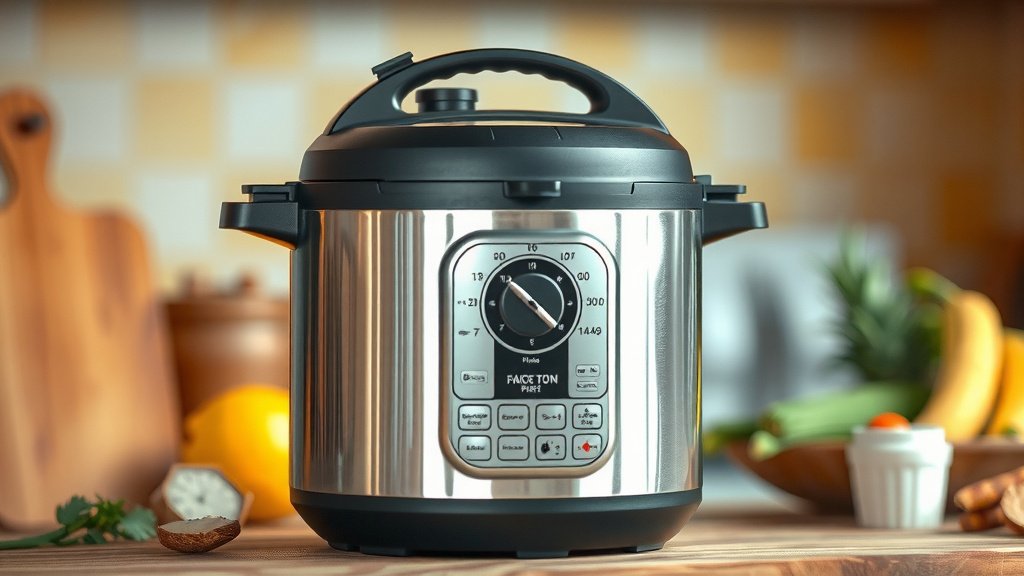
Before you get cooking, run through this quick checklist:
- Is the inner pot clean and free of debris?
- Is the lid properly seated and the locking mechanism engaged?
- Is the silicone sealing ring in good condition and properly placed?
- Are the pressure regulator and safety valve clear of any obstructions?
- Have you checked your manual for any model-specific parts or checks?
Conclusion
You now understand your pressure cooker’s main parts and their functions. From the inner pot to the safety valve, each component plays a vital role. Knowing these parts helps you cook safely and efficiently. This knowledge transforms a potentially confusing appliance into a reliable kitchen tool. Always remember to perform a quick check before each use. This simple habit ensures your pressure cooker is always ready for your next delicious meal.
Frequently Asked Questions
What is the most common reason a pressure cooker won’t build pressure?
Research and user reports often point to the sealing ring as the culprit. If the rubber or silicone gasket is worn, cracked, or not properly seated, it can prevent an airtight seal. This prevents steam from building up to the necessary pressure level.
Can I use my pressure cooker if the safety valve is releasing a little steam?
A small amount of steam escaping from the safety valve *while cooking* is normal, especially on older stovetop models. It means the valve is working to maintain safe pressure. However, if steam is constantly venting or if it’s a large amount, check your pressure regulator and the valve itself for debris.
How often should I replace the sealing ring on my pressure cooker?
Manufacturers typically recommend replacing the sealing ring every 1-2 years with regular use. You should also replace it immediately if you notice any signs of wear, such as brittleness, cracks, or a loss of elasticity. A damaged ring is a common cause of pressure loss.
What’s the difference between the pressure regulator and the safety valve?
The pressure regulator’s job is to control and maintain the desired cooking pressure by releasing excess steam. The safety valve is a backup; it only releases steam if the pressure gets dangerously high, acting as a final safety measure.
Is it okay to leave the lid slightly ajar before it locks?
No, it’s never okay to operate your pressure cooker with the lid not fully sealed and locked. The locking mechanism ensures the lid is secure and the sealing ring creates an airtight environment. Attempting to cook with a partially locked lid can be unsafe and will prevent proper pressure buildup.