Slow Cooker Leaking? Here’s Why & What to Do
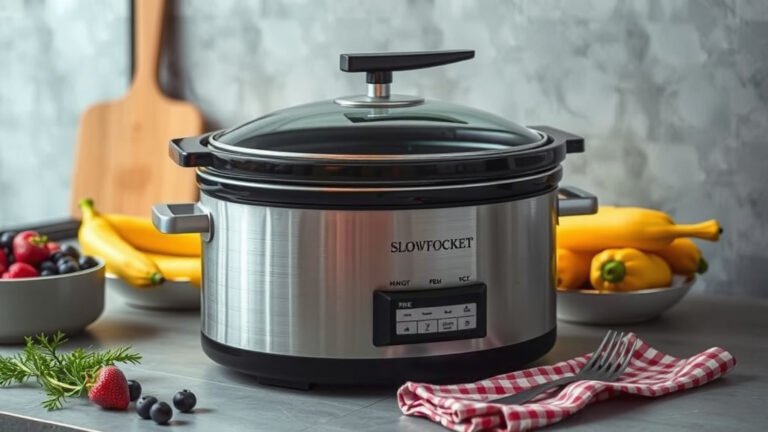
Your slow cooker leaking is likely happening because of overfilling, a cracked lid, or a damaged base. Many recipes call for filling the crock to a certain point. Going over that line often leads to liquid escaping during cooking. It can be frustrating to find a mess after a meal cooked itself!
We’ve found that even small issues, like a hairline crack you might not notice, can cause leaks. Sometimes, the rubber seal around the lid can wear out. This prevents a tight fit, allowing steam and liquid to escape. Understanding these common culprits can save your countertop.
- You’re likely overfilling your slow cooker.
- Check for cracks in the lid or crock.
- Inspect the rubber seal for damage.
- Ensure the lid is seated properly.
Let’s dive into why your slow cooker might be leaking and how to fix it.
Why Your Slow Cooker Might Be Leaking
Finding a pool of delicious broth on your countertop after a long cooking session can be quite a shock. It’s a common problem, but thankfully, it’s usually due to a few fixable issues. You’re not alone if you’ve experienced this saucy surprise!
Overfilling: The Most Common Culprit
The number one reason your slow cooker might be leaking is simply putting too much food inside. Most slow cookers are designed to be filled only two-thirds of the way full. This leaves room for the liquid to bubble and expand as it heats up.
Understanding Fill Lines
Many recipes will tell you to fill your slow cooker to a certain point, often marked by a line or a recommendation in the instructions. Going above this line is like trying to stuff too many clothes into a suitcase; eventually, something has to give!
The Science of Expansion
When food cooks, especially liquids, it expands. Think about how soup bubbles up on the stove. Your slow cooker does the same thing, just more gently. If the pot is already too full, there’s nowhere for that expansion to go but over the sides.
What Happens When You Overfill?
Liquid creeping up and over the stoneware insert can seep out from under the lid. This can make a mess. It also means you might have less sauce or liquid in your finished dish than you planned. It’s a double whammy!
Cracks and Damage: Inspecting the Stoneware and Lid
Another frequent cause of slow cooker leaks is damage to the stoneware insert or the lid. Even small flaws can allow liquid to escape during the cooking process.
Checking the Stoneware Insert
Gently run your fingers around the inside and outside of the stoneware pot. Look for any hairline cracks. Sometimes these are hard to see, especially if they’re filled with old food residue. A crack, even a tiny one, can act like a little highway for your soup.
What to Do About Cracks
If you find a crack in the stoneware insert, it’s time for a replacement. Cooking with a cracked insert can be dangerous. The stoneware could break further under heat, ruining your meal and potentially damaging the heating element. You can often order a replacement insert directly from the manufacturer. Many experts advise against using a cracked insert (U.S. Consumer Product Safety Commission).
Examining the Lid
Your slow cooker lid is usually made of glass. Like any glass item, it can crack or chip. Check the rim of the lid carefully. Also, look for any chips along the edge that touches the stoneware.
The Lid’s Seal
A proper seal between the lid and the stoneware is essential. If the lid isn’t sitting flush, liquid and steam can escape. Sometimes, the lid might just be slightly askew. Other times, damage to the lid’s edge prevents a good seal. If the lid is chipped or warped, it may need to be replaced. A poor seal means less efficient cooking, too, as heat escapes.
Lid Fit and Seal Issues
Even without visible cracks, a slow cooker can leak if the lid doesn’t fit correctly. This can be due to a few factors related to how the lid connects with the stoneware.
The Importance of a Tight Seal
Your slow cooker relies on a tight seal to maintain a consistent, low temperature. This seal helps trap steam, which then circulates and cooks your food evenly. When this seal is broken, steam escapes, and liquid can follow.
Warped Lids or Inserts
Over time, or due to extreme temperature changes (like washing a hot insert in cold water), the stoneware or the lid might warp slightly. This subtle change can prevent a perfect fit. You might notice the lid wobbles when placed on the stoneware. We’ve found that a little wobble is often a sign of a potential leak.
Cleaning the Rim Surfaces
Sometimes, the simplest fix is the best. Dried food particles or grease can build up on the rim of the stoneware or the underside of the lid. This residue can prevent a tight seal. Make sure both surfaces are clean and dry before you place the lid on. A quick wipe with a damp cloth usually does the trick.
Troubleshooting Checklist for Leaks
Before you blame the appliance, let’s run through a quick check:
- Is the stoneware insert filled more than two-thirds full?
- Are there any visible cracks or chips on the stoneware or lid?
- Does the lid sit flush on the stoneware, or does it wobble?
- Are the rim of the stoneware and the underside of the lid clean and free of debris?
- Is the lid properly seated and locked in place if your model has locking clips?
- Did you notice excessive steam escaping from the sides during cooking?
Conclusion
It’s definitely frustrating when your slow cooker leaks, but usually, the cause is quite simple to spot. We’ve seen that overfilling is the most common reason liquid escapes. Don’t forget to check your stoneware and lid for any hidden cracks or chips, as even small damages can lead to leaks. A clean rim and a properly seated lid are also key for a good seal.
Next time you notice a mess, run through this quick checklist. If you suspect damage, consider replacing the insert or lid. Your slow cooker is a kitchen workhorse, and a little care will keep it running smoothly and mess-free!
Frequently Asked Questions
What if my slow cooker lid wobbles?
A wobbly lid often means it’s not creating a tight seal against the stoneware. This can be due to slight warping of the lid or insert, or sometimes just dried food residue preventing a flush fit. Try cleaning both surfaces thoroughly and ensuring the lid is placed as evenly as possible.
Can I still use my slow cooker if the stoneware has a hairline crack?
We strongly advise against using a slow cooker with a cracked stoneware insert. Even a small crack can worsen with heat, potentially breaking the insert, ruining your meal, and even damaging the appliance’s heating element. It’s best to replace the insert to ensure safety and proper function.
How much liquid should I leave in my slow cooker?
Generally, you should only fill your slow cooker insert about two-thirds of the way full. This leaves enough space for liquids and food to expand as they cook. Always check your recipe for specific fill line recommendations.
My slow cooker lid seems fine, but it still leaks. What else could it be?
If there are no visible cracks and the lid fits well, check if you’ve accidentally overfilled the cooker. Remember that food and liquids expand during cooking. Ensure you’re following the two-thirds full guideline to prevent overflow.
Is it safe to use a slow cooker with a chipped glass lid?
A chipped glass lid can be a safety hazard. The chip might prevent a proper seal, leading to leaks and inefficient cooking. More importantly, the chip could expand or break further under heat, potentially shattering the lid. It’s safer to replace a chipped lid.