Understanding Your Keep Warm Function: A Comprehensive Guide
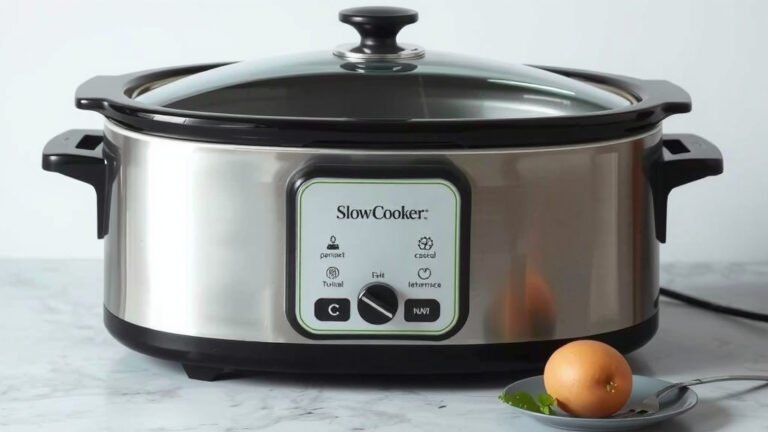
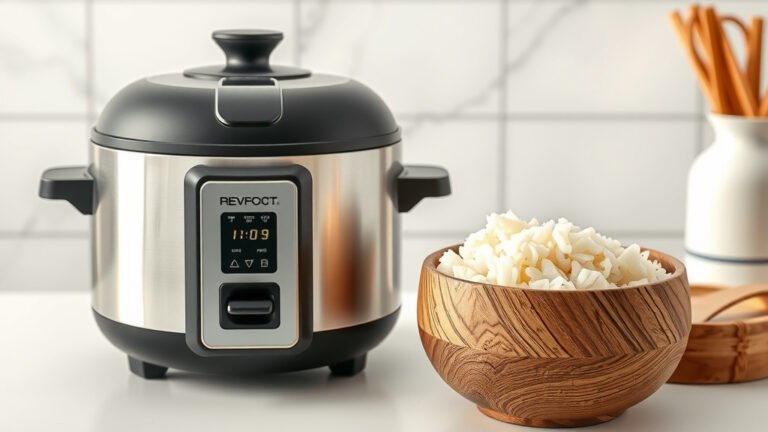
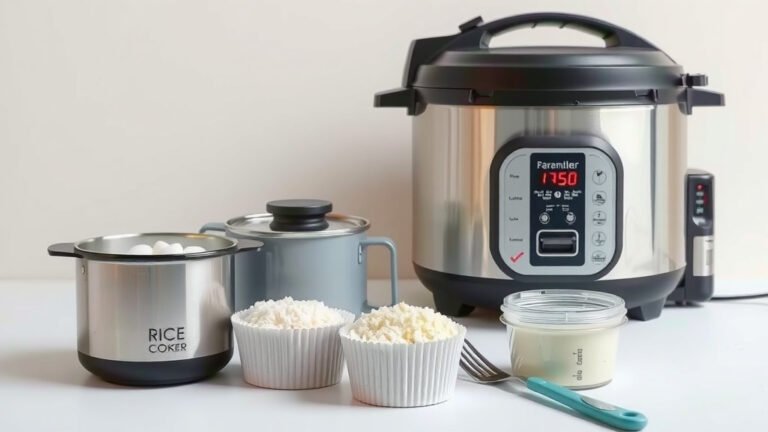
The Keep Warm function is a handy setting on many appliances, like rice cookers and slow cookers, designed to maintain food at a safe serving temperature after cooking is complete. It essentially acts like a gentle heater, keeping your meal hot without overcooking it. You can think of it as your food’s personal cozy blanket.
This function is incredibly useful for busy households or when you’re entertaining guests. It means you don’t have to rush to serve your food immediately after it’s done. Many users find it keeps side dishes warm while the main course finishes. It’s a smart way to ensure your meal is ready when you are.
- The Keep Warm function keeps food at a safe temperature.
- It’s found on appliances like rice cookers and slow cookers.
- This feature prevents food from getting cold after cooking.
- It’s great for busy schedules or when hosting.
Let’s take a closer look at how this simple but effective feature works and how you can get the most out of it.
You’ve likely seen it on your rice cooker or slow cooker: a “Keep Warm” setting. But what exactly does it do? This function is a real lifesaver in the kitchen. It’s designed to keep your cooked food at a safe and pleasant serving temperature. Think of it as a gentle, steady hug for your meal after it’s finished cooking. It prevents your delicious creation from turning cold and sad.
How the Keep Warm Setting Works Its Magic
The Keep Warm function is pretty straightforward. It uses a low-level heat to maintain your food’s temperature. This is different from the main cooking heat, which is much higher. The goal isn’t to cook your food further. It’s simply to hold it at a temperature that’s safe for consumption. Many food safety guidelines suggest keeping hot foods above 140°F (60°C) to prevent bacteria growth (CDC).
Temperature Control: The Sweet Spot
Appliances with a Keep Warm setting are engineered to hit a specific temperature range. This range is generally between 140°F and 165°F (60°C to 74°C). This range is considered the “danger zone” for bacteria. Keeping food above this zone helps inhibit bacterial multiplication. It’s a smart safety feature that prevents potential foodborne illnesses.
Gentle Heat, Not Reheating
It’s important to understand that Keep Warm isn’t designed for reheating cold food. It works best on food that has just finished cooking. If you put cold leftovers into the Keep Warm setting, they might not reach a safe temperature quickly enough. This could leave them in the “danger zone” for too long. Always ensure your food is thoroughly cooked and hot before engaging the Keep Warm function.
When Should You Use the Keep Warm Function?
This setting is a kitchen superhero for busy days or when you’re hosting. It offers a lot of flexibility. Let’s look at some common scenarios where it truly shines.
For the Busy Cook
Are you juggling multiple dishes for dinner? Maybe your rice is perfectly cooked, but your stir-fry is still simmering. The Keep Warm function on your rice cooker can hold that rice at a perfect serving temperature. This way, everything is ready at the same time. You don’t have to worry about one dish getting cold while you finish another.
Entertaining Guests
Hosting a party can be hectic. You want to serve your guests hot food, but timing can be tricky. If your slow cooker is on the “Keep Warm” setting, your guests can serve themselves as they arrive or when they’re ready. This takes a lot of the pressure off you. It means you can enjoy your company without constantly checking on the food.
Meal Prep and Leftovers
Sometimes, you might cook a large batch of something, like soup or chili. The Keep Warm function can be useful for keeping a portion of it warm for a second helping later in the day. However, remember the point about reheating. It’s best for food that has been recently cooked and kept warm, not for food that has been refrigerated and needs to be heated up from scratch.
Getting the Most Out of Your Keep Warm Setting
To ensure your food stays delicious and safe, there are a few best practices. These small steps can make a big difference in your meal experience.
Know Your Appliance’s Limits
Different appliances have different Keep Warm cycles. Some rice cookers might keep food warm for up to 12 hours. Others might have a shorter recommended duration. Always check your appliance’s manual. It will provide specific guidelines for how long the Keep Warm function is intended to be used. We found that sticking to the manufacturer’s recommendations is the safest bet (User Manual).
Consider the Type of Food
Certain foods do better on Keep Warm than others. Fluffy grains like rice or couscous generally hold up well. Moist dishes like stews or soups also tend to stay good. However, very delicate items might dry out or overcook if left on for too long. Things like pasta can sometimes become mushy. Observing how your specific food reacts is key.
Avoid Over-reliance
While handy, the Keep Warm function isn’t meant for indefinite storage. Food safety experts advise against leaving cooked food in the “danger zone” for extended periods, even if it’s above 140°F. For longer storage, it’s best to cool food rapidly and refrigerate it. Then, reheat it thoroughly before serving (FDA).

Potential Downsides to Consider
While the Keep Warm function is convenient, it’s not without its potential drawbacks. Being aware of these can help you use the feature wisely.
Texture and Flavor Changes
Even though the heat is low, prolonged exposure can affect your food’s texture and flavor. Rice can sometimes become a bit dry or even slightly browned at the bottom. Some vegetables might lose their crispness. This is a natural consequence of holding food at a warm temperature for an extended time.
Nutrient Loss
Research suggests that some water-soluble vitamins, like Vitamin C and B vitamins, can degrade when food is held at warm temperatures for long durations. While the Keep Warm function is generally safe for food, you might experience a slight reduction in the nutritional content of certain foods over time. The exact amount depends on the food type and the duration it’s kept warm.
Energy Consumption
Like any appliance, the Keep Warm function uses electricity. While it’s a low-power setting, leaving it on for many hours will contribute to your energy bill. For single servings or occasional use, it’s not a major concern. But if you find yourself using it constantly, you might want to be mindful of the added energy usage.
Quick Checklist for Using Keep Warm Safely
Here’s a quick guide to make sure you’re using your Keep Warm function effectively and safely:
- Always start with fully cooked, hot food.
- Ensure your food stays above 140°F (60°C).
- Check your appliance manual for recommended time limits.
- Be aware that texture and flavor can change over time.
- Cool and refrigerate food if not eating within a few hours.
- Reheat thoroughly if food has been refrigerated.
Conclusion
You’ve learned that the Keep Warm function is your kitchen’s best friend for flexible meal timing. It safely holds your food at a pleasant serving temperature, preventing it from getting cold. We’ve seen how it helps busy cooks and hosts keep meals ready. Just remember to use it for recently cooked food and respect your appliance’s time limits. By understanding its benefits and limitations, you can make the most of this handy feature. Your next meal can be perfectly timed and deliciously warm, just when you’re ready to enjoy it.
Frequently Asked Questions
Can I put cold leftovers on the Keep Warm setting?
No, you should avoid placing cold leftovers directly onto the Keep Warm setting. This function is designed to maintain the temperature of already hot food. Cold food might not reach a safe temperature quickly enough, potentially remaining in the “danger zone” for too long, which can encourage bacterial growth.
How long can food safely stay on the Keep Warm setting?
The safe duration varies by appliance and food type. Most manufacturers recommend checking your appliance’s manual for specific time limits, often between 4 to 12 hours. It’s generally advised not to leave food on Keep Warm indefinitely, as texture and nutrient quality can degrade over extended periods.
Does the Keep Warm function cook food further?
The Keep Warm function uses a low-level heat that is not intended for further cooking. Its purpose is solely to hold food at a safe serving temperature, typically above 140°F (60°C), preventing it from cooling down without overcooking it.
What types of food work best with the Keep Warm setting?
Fluffy grains like rice and couscous, as well as moist dishes like soups and stews, generally hold up well on the Keep Warm setting. Delicate items or foods with crisp textures, such as some vegetables or pasta, might become mushy or dry out if left for too long.
Will using the Keep Warm function affect the food’s taste or texture?
Yes, leaving food on the Keep Warm setting for extended periods can sometimes alter its texture and flavor. Foods like rice might become drier, or certain ingredients could lose their crispness. This is a common effect of holding food at a warm temperature over time.