Slow Cooker Mistakes: Can You Overcook Food?
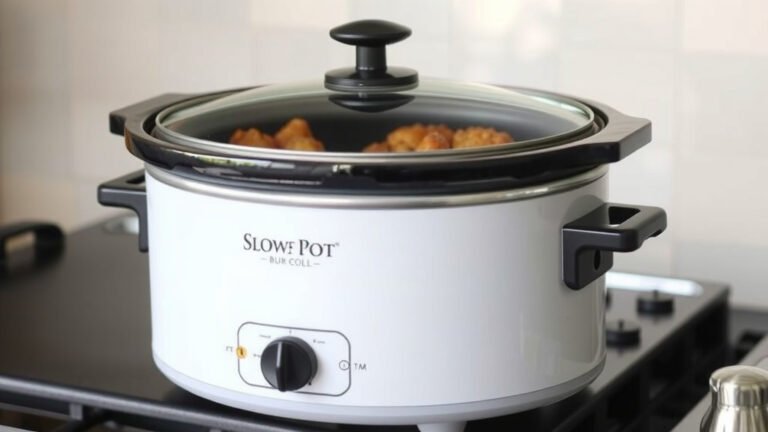
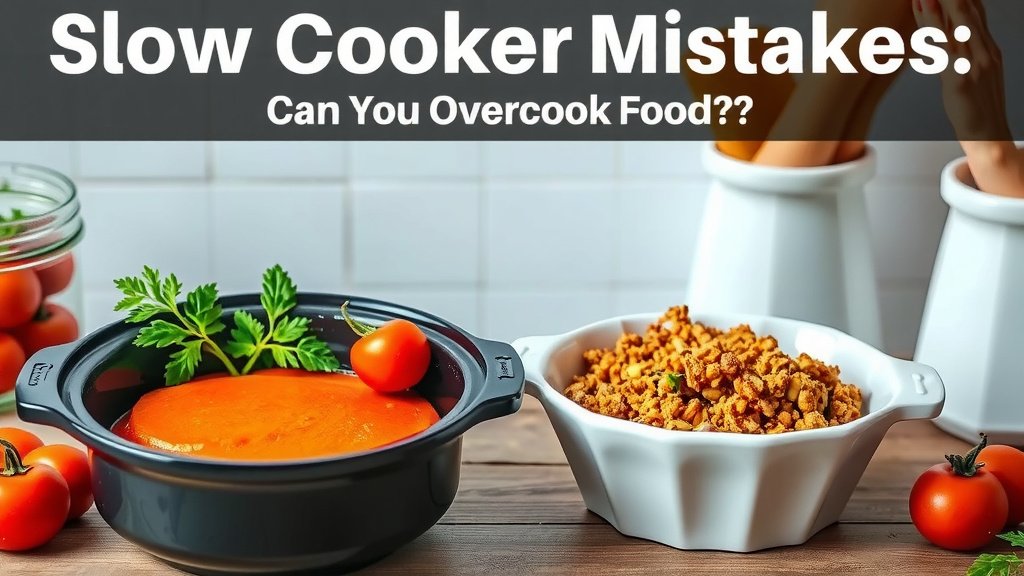
Yes, you absolutely can overcook food in a slow cooker. While slow cookers are designed to cook food gently and for extended periods, it’s still possible to go too far. This often results in dry, mushy, or tough dishes, which is disappointing when you’re expecting tender results. The key is understanding the timing and your specific appliance.
Many people assume slow cookers are foolproof, but they do have their limits. We’ve all heard horror stories of rubbery chicken or shredded beef that’s fallen apart too much. Knowing the signs of overcooking and how to prevent them will save your meal from becoming a culinary mishap. It’s all about finding that perfect sweet spot for tenderness.
- Slow cookers can indeed overcook food.
- Overcooked food becomes dry, mushy, or tough.
- Timing is key to avoid disappointing results.
- Understanding your slow cooker helps prevent overcooking.
Let’s break down exactly how to avoid the dreaded overcooked slow cooker meal and get delicious results every time.
When Does Your Slow Cooker Turn Food Mushy?
You might be wondering, “Can you really overcook in a slow cooker?” The short answer is yes, you absolutely can. While these appliances are famous for their low-and-slow approach, they aren’t magic. It’s entirely possible to take your dish from perfectly tender to sadly mushy or dry. This happens more often than you’d think, especially with certain ingredients.
Understanding the Limits of Slow Cooking
The Gentle Heat Isn’t Always Gentle Enough
Slow cookers work by applying a low, consistent heat over a long period. This is wonderful for breaking down tough cuts of meat and melding flavors. However, that consistent heat can also over-process delicate ingredients. Think of it like leaving a pot on the stove on its lowest setting for hours; eventually, things will start to break down too much. Many recipes assume you’ll be around to check, but that’s not always the case with slow cookers.
Why Overcooking Happens
Several factors contribute to overcooking. The most common culprit is simply leaving food in for too long. Recipes often provide a time range, like “4-6 hours on high” or “6-8 hours on low.” If you consistently push the upper limit, or even exceed it, your food is likely to suffer. Another reason is setting the temperature too high. Even “high” on a slow cooker is generally lower than a conventional oven’s medium setting, but it’s still enough to cause damage if unchecked. The most common reason for overcooking is leaving food in for too long.
Common Signs of an Overcooked Meal
How do you know if you’ve gone too far? It’s usually quite obvious. For meats, you might find them dry and stringy, or conversely, so tender they turn to mush. Chicken can become rubbery. Vegetables can transform from firm-tender to completely disintegrated and watery. Sauces can thicken too much and become oily or separate. Your once-promising dish might look and taste like it’s been forgotten on the counter.
Cooking Times: The Golden Rule
Know Your Settings: Low vs. High
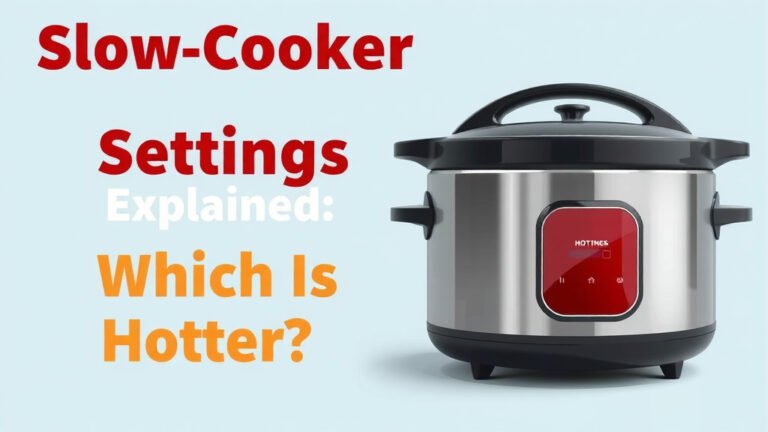
Most slow cookers have “Low” and “High” settings. “Low” typically cooks at around 200°F (93°C), while “High” is usually around 300°F (150°C). While “High” cooks faster, it also increases the risk of overcooking, especially if you’re not precise with your timing. Many experts suggest that “Low” is often the better setting for achieving tender results, as it provides a gentler cooking environment (National Slow Cooker Manufacturers Association). Understanding your slow cooker’s Low and High settings can help prevent overcooking.
“Set It and Forget It” Needs a Caveat
The allure of slow cookers is their convenience. You can prep in the morning and come home to a ready meal. But this convenience can be a trap. If your cooker runs hotter than average, or if your food is cut into smaller pieces, it will cook faster. A dish that takes 8 hours on “Low” in one cooker might be done in 6 hours in another. We found that checking your food about an hour before the minimum cooking time is a good practice.
Factors That Affect Cooking Time
It’s not just the setting that matters. The amount of liquid in your slow cooker can affect temperature. Too much liquid can make it harder for the cooker to reach the right temperature, potentially extending cooking times. Conversely, if a lid isn’t sealed properly, too much liquid can evaporate, leading to dry food. The size and density of your ingredients also play a role. Larger, denser items take longer to cook.
Preventing the Dreaded Overcook: Your Action Plan
Start with a Reliable Recipe
When you’re new to a recipe or a specific cut of meat, follow the recipe’s timing closely. Don’t assume you know better. Recipes are usually tested to provide good results within a specific window. If a recipe says 4-6 hours on High, aim for the 4-hour mark for your first try. You can always cook it longer if needed, but you can’t un-cook overdone food.
Temperature Checks are Your Friend
The most accurate way to tell if your food is done is by using a meat thermometer. For chicken, aim for an internal temperature of 165°F (74°C). Pork and beef roasts are typically done around 145°F (63°C) for medium-rare, though many prefer them cooked longer to tenderize. Research from the USDA Food Safety and Inspection Service indicates that using a thermometer is the safest way to ensure food is cooked thoroughly.
Here’s a quick checklist to keep your slow cooker meals perfectly cooked:
- Start with a well-tested recipe.
- Understand your slow cooker’s heat.
- Don’t overfill the cooker.
- Check temperature about an hour early.
- Adjust liquid if needed.
- Know when to stop cooking!
Mind the Lid: The Seal of Success (or Failure)
Resist the urge to lift the lid frequently. Every time you do, heat escapes, and the cooking time can extend by 15-30 minutes. Try to keep the lid on as much as possible. If you need to stir or check on things, do it quickly and efficiently. It might feel counterintuitive, but a sealed lid is key to consistent, even cooking and preventing dry edges.
When to Call It Quits
Sometimes, even with the best intentions, your food might be nearing the end of its optimal cooking time. If your meat is fork-tender and falling apart exactly how you want it, it’s time to turn the slow cooker off or to the “Warm” setting. You can let it rest and stay warm without continuing to cook and potentially overcook. This is especially useful if guests are running a bit late!
Common Mistakes and How to Avoid Them
The Veggie Predicament
Root vegetables like potatoes and carrots can handle longer cooking times. However, softer vegetables like peas, corn, or delicate greens should be added much later in the cooking process. Many experts advise adding these 30-60 minutes before serving to prevent them from turning to mush. It’s a simple adjustment that makes a big difference in texture.
Too Much Liquid Can Be a Bad Thing
You need enough liquid for the cooker to work, but too much can lead to watery, bland results and potentially longer cooking times because the heat has to work harder to evaporate the excess. If a recipe calls for a lot of liquid, consider reducing it slightly. We found that using the minimum recommended amount often yields the best flavor and texture. Plus, less liquid means less evaporation, which can help prevent drying out elsewhere.
| Setting | Approximate Temperature | Typical Cooking Time | Risk of Overcooking |
|---|---|---|---|
| Low | ~200°F (93°C) | 6-10 hours | Lower, especially with longer times |
| High | ~300°F (150°C) | 3-5 hours | Higher, requires more precise timing |
| Warm | ~145°F (63°C) | N/A (for holding food) | Very low, but can dry food over extended periods |
Frozen Foods and Their Quirks
While tempting, never put large amounts of frozen meat directly into your slow cooker. It can lead to uneven cooking and leave the center in the “danger zone” (between 40°F and 140°F) for too long, increasing the risk of bacterial growth. Always thaw meat completely in the refrigerator before cooking. Smaller items might be okay, but it’s a gamble that can affect both safety and quality.
Conclusion
You’ve learned that yes, your slow cooker can absolutely overcook food, leading to disappointing dry or mushy results. The “set it and forget it” convenience needs a watchful eye. Understanding your cooker’s settings, your recipe’s timing, and using a meat thermometer are your best defenses. By paying attention to these details, you’ll consistently achieve perfectly tender and delicious slow cooker meals. Your next slow cooker dish is just a few smart checks away from perfection!
Frequently Asked Questions
How can I tell if my slow cooker is cooking too hot?
If your food is consistently cooking much faster than the recipe states, or if you notice excessive bubbling or steam escaping vigorously, your cooker might run hot. Some models even have adjustable temperature dials. You can also test it by simmering water and checking its temperature with a thermometer.
What’s the difference between “Low” and “High” on my slow cooker?
“Low” typically cooks around 200°F (93°C), ideal for longer cooking times and tenderizing tough cuts. “High” usually reaches about 300°F (150°C) and cooks food much faster, but also increases the risk of overcooking if you’re not precise with timing.
Can I put frozen meat in my slow cooker?
It’s generally not recommended, especially for large cuts of meat. Frozen meat can take too long to reach a safe cooking temperature, potentially staying in the “danger zone” where bacteria grow. Always thaw meat completely in the refrigerator first for safety and even cooking.
My slow cooker recipe calls for a lot of liquid. Should I use it all?
While sufficient liquid is necessary, too much can lead to watery results and extend cooking time. We found that using the minimum amount recommended by the recipe often yields the best texture and flavor. You can always add a bit more liquid if needed, but reducing excess is harder.
What should I do if my food is done but dinner isn’t ready yet?
If your food reaches perfect tenderness before your guests arrive or you’re ready to serve, switch your slow cooker to the “Warm” setting. This keeps the food at a safe temperature without continuing to cook and risk overcooking it.