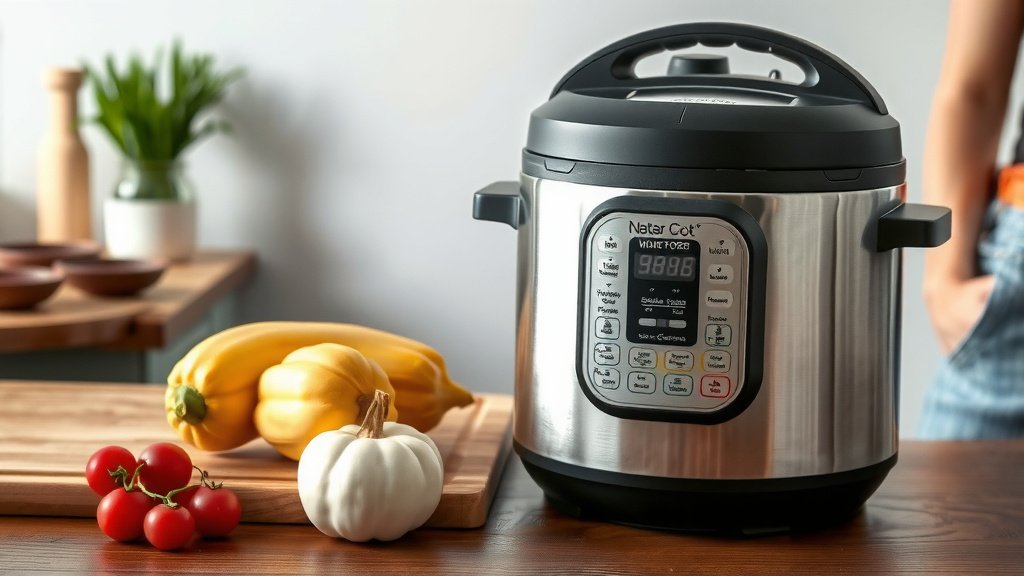
Natural Release Pressure Cooker: When and How to Use
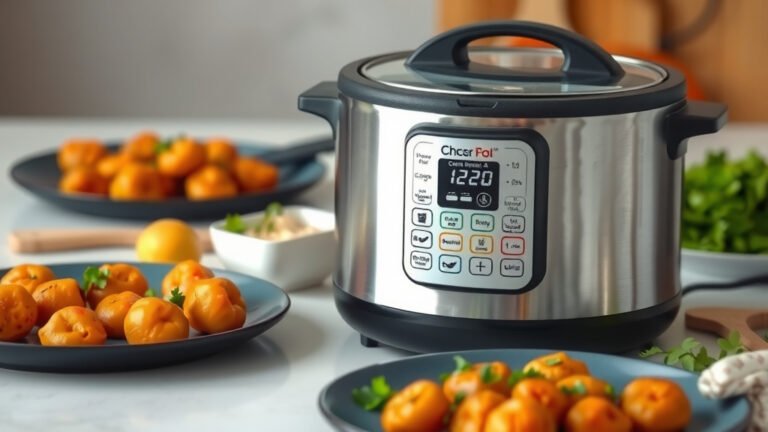
Naturally releasing pressure from your Instant Pot or pressure cooker is simple. You just let it sit undisturbed after cooking finishes. This allows the pressure to safely decrease on its own over time. It’s the gentlest method for tenderizing foods.
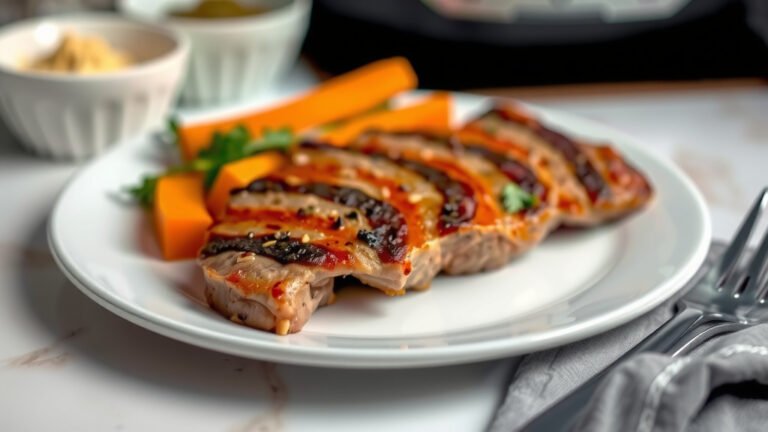
This method is often recommended for meats, beans, and certain grains. It helps them cook through without becoming mushy. It’s a key technique for achieving the perfect texture. Many home cooks prefer it for dishes where tenderness is absolutely critical.
- Natural release means letting pressure escape on its own.
- It takes longer than quick release, usually 10-30 minutes.
- Best for tougher cuts of meat, beans, and recipes needing tender results.
- It prevents foods from breaking apart too much.
- Wait until the float valve drops before opening.
Let’s walk through exactly how to do a natural release step by step, so you can get perfect results every time!
Mastering Natural Pressure Release for Your Cooker
You’ve finished cooking your delicious meal in your pressure cooker. Now comes a key step: releasing the pressure. Natural release is a gentle method. It allows the pressure to slowly dissipate on its own. This is a **different process** than the quick release valve. Understanding this difference ensures your food comes out perfectly cooked. It’s especially helpful for recipes where you want food to be **tender and intact**.
Why Choose Natural Release?
So, why would you opt for natural release? It’s all about the texture of your food. When you use natural release, the cooking process continues for a while. The residual heat and steam keep working. This gentle cooking helps break down tough fibers. It’s particularly beneficial for foods like tough cuts of meat. Think pot roast or pulled pork. It’s also excellent for dried beans and certain grains like barley. They need that extra time to soften and become **truly tender** without falling apart. Many cooking guides suggest this method for these types of ingredients.
The Science Behind the Softness
Think of it like a slow sauna for your food. The pressure inside the cooker is high. When you turn off the heat, the pressure doesn’t vanish instantly. It starts to equalize with the air pressure outside. This gradual decrease means the food continues to cook. It absorbs more liquid. This absorption process is **vital for tenderness**. It prevents the food from becoming dry or tough. Research has shown that this extended cooking time under gentle pressure helps to **render fats** and soften connective tissues effectively (NCBI).
When to Definitely Use Natural Release
There are certain dishes where natural release is almost a **non-negotiable**. You’ll want to use this method for:
- Tougher cuts of meat: Chuck roasts, pork shoulder, lamb shanks.
- Dried beans: Kidney beans, black beans, chickpeas.
- Whole poultry: A whole chicken or turkey breast.
- Grains like barley or steel-cut oats.
- Dishes where you want the food to hold its shape beautifully.
If you’re making chili, stew, or a pot roast, natural release is likely your best friend. It ensures every bite is **succulent and delicious**.
How to Perform a Natural Pressure Release
Performing a natural release is quite straightforward. It doesn’t require any fancy steps. The main thing is patience. Here’s what you do:
Step 1: Let the Cooker Do Its Thing
Once your cooking cycle is complete, simply turn off the pressure cooker. Don’t touch the steam release valve at all. Resist the urge to flip it to the venting position for a quick release. Just let the cooker sit there. The pressure will begin to decrease naturally. This is the **most important part** of the process. Your job here is to just wait.
Step 2: Monitor the Float Valve
Most electric pressure cookers, like the Instant Pot, have a float valve. This is a small metal pin that pops up when the cooker is pressurized. When the pressure inside has reduced to a safe level, this valve will drop back down. You’ll usually hear a gentle click or see the pin sink. This is your **visual cue** that it’s safe to open. The time this takes can vary quite a bit.
Step 3: Open the Lid Carefully
Once the float valve has dropped, you can safely open the lid. Always open the lid away from your face. This is to avoid any stray steam. You might still feel a little bit of warmth. That’s perfectly normal. The pressure should be completely gone by now. And your food should be wonderfully tender. It’s like magic, but it’s just good science!
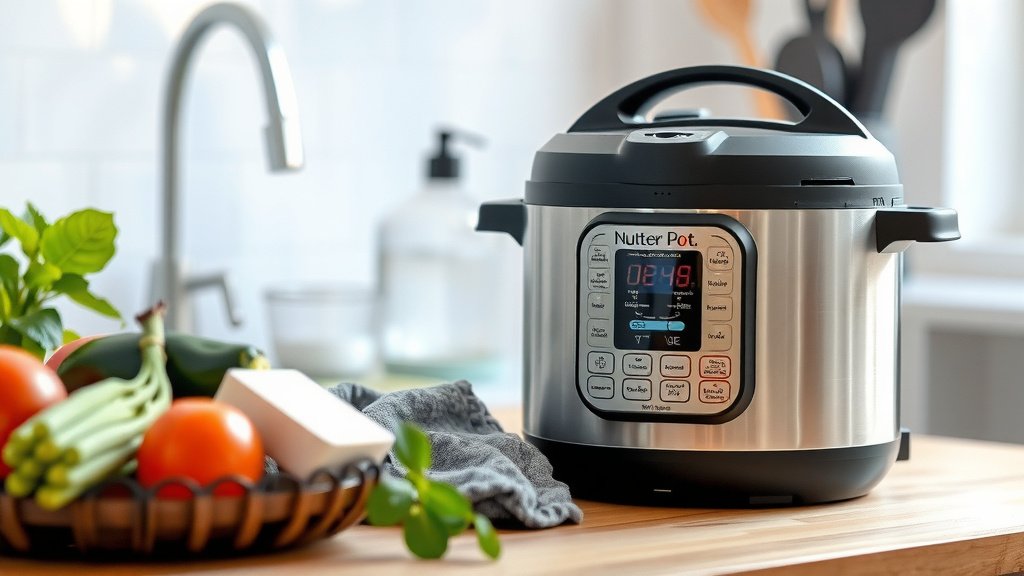
How Long Does Natural Release Take?
This is where patience comes into play. The duration of a natural release can vary greatly. Factors include the amount of food and liquid inside. It also depends on the cooker model. Generally, you can expect it to take anywhere from **10 to 30 minutes**. Some larger roasts might even take a bit longer. For smaller items or shorter cooking times, it might be closer to 10-15 minutes. Don’t stress if it takes longer than you expect. The goal is a perfectly cooked meal, and a little extra waiting time is often worth it.
Natural Release vs. Quick Release: A Quick Look
It’s helpful to see how these two methods compare. Here’s a simple breakdown:
| Feature | Natural Release | Quick Release |
|---|---|---|
| Pressure Reduction | Slow and gradual | Fast and immediate |
| Cooking Time Continues | Yes, for a while | Stops almost immediately |
| Food Tenderness | Excellent for tough cuts, very tender | Can sometimes result in firmer textures |
| Food Integrity | Helps food hold shape | Some delicate foods might break apart |
| Time Commitment | 10-30+ minutes | 1-2 minutes |
| Best For | Meats, beans, grains, stews | Vegetables, pasta, quick-cooking items |
As you can see, they serve different purposes. Choosing the right one depends on your recipe. It’s about achieving the desired outcome for your dish. Both methods are **perfectly safe** when done correctly.
Tips for Success with Natural Release
Here are a few pointers to make your natural release experience smooth:
- Always check your recipe: Many recipes will specify which release method to use. Follow those instructions closely.
- Don’t rush it: Patience is key. Let the pressure valve do its job.
- Keep an eye on the float valve: This is your signal that it’s safe to open.
- Clear the area: Make sure no children or pets are near the cooker when you open it.
- Have oven mitts ready: Even after natural release, the pot and lid can be hot.
What if the Float Valve Doesn’t Drop?
Occasionally, you might find that the float valve doesn’t drop even after a considerable amount of time. Don’t panic! This usually means there’s still some residual pressure. Sometimes, a bit of food might be stuck around the valve. In this case, you can try turning the cooker off if it’s still on. You can also gently move the valve a tiny bit with a long utensil. However, many experts advise waiting a full 30 minutes before attempting any intervention (Cleveland Clinic). If it still won’t drop, consult your cooker’s manual or contact customer support. It’s important to ensure the pressure is fully released before opening.
Conclusion
You’ve now got a solid understanding of how to perform a natural pressure release. This gentle method is your secret weapon for achieving incredibly tender meats, perfectly cooked beans, and intact grains. Remember, patience is your best friend here. By letting the pressure drop on its own, you allow your food to continue cooking softly. This results in textures that quick release just can’t match. Next time you’re cooking a hearty stew or a tough cut of meat, confidently choose natural release. You’ll love the delicious results!
Frequently Asked Questions
Can I do a natural release if my recipe doesn’t specify?
Yes, you generally can. If your recipe is for items like tough meats, dried beans, or whole grains, natural release is often a safe bet. It helps ensure tenderness and prevents the food from falling apart. Just be sure the recipe doesn’t call for a quick release, as that usually means the food needs to stop cooking immediately.
What if I’m in a hurry and need to open my pressure cooker faster?
If time is short, you might need to use a quick release instead of a natural release. However, remember that quick release can sometimes make foods like beans or meats a bit firmer. For delicate items, it could even cause them to break apart. Always consider the type of food you’re cooking before opting for a quick release when a recipe suggests natural release.
Is it safe to leave a pressure cooker unattended during natural release?
It’s generally safe to leave it, but you should stay nearby. You’ll need to monitor the float valve to know when it’s safe to open. Ensure children and pets are kept away from the cooker. Also, make sure the cooker is on a stable surface away from cabinets or walls that could be damaged by steam.
Can I speed up natural release by placing a wet towel on the lid?
Some people try this, but it’s not generally recommended. While it might cool the lid faster, it doesn’t necessarily speed up the internal pressure release in a controlled way. It’s best to let the cooker do its job naturally. Stick to the standard method to ensure safety and optimal results for your food.
My pressure cooker has been depressurizing for over 30 minutes. What should I do?
If your float valve hasn’t dropped after 30 minutes, there might be an issue. First, ensure the cooker is still turned off. Check for any food debris around the valve. If it still won’t drop, consult your pressure cooker’s manual. You may need to contact the manufacturer for assistance. Never try to force the lid open if the valve is still up.