How to Quick Release a Pressure Cooker Safely
Releasing pressure from your cooker quickly is totally doable! You can use the quick release method, also known as the natural release or pressure release valve. This method involves carefully opening the pressure release valve to let the steam escape. It’s a safe way to speed up your cooking time when you’re done.
Many home cooks wonder about this. They want to know how to get their meals ready faster. Using the quick release method can shave off precious minutes. It’s important to do it the right way to avoid any burns or accidents.
- Know when to use quick release vs. natural release.
- Always use a utensil to open the valve.
- Be aware of the hot steam escaping.
- Safety first: keep hands and face away.
- It’s good for veggies and seafood.
Ready to get your dinner on the table faster? Let’s walk through exactly how to do a quick release on your pressure cooker step by step.
“`htmlUsing the Quick Release Method on Your Pressure Cooker
You’ve just finished cooking something delicious in your pressure cooker. Now you’re probably eager to dig in! But first, you need to get that pressure out safely. The quick release method is a common way to do this. It lets you vent the steam quickly. This speeds up the time it takes to open your cooker. We’ll guide you through exactly how to do it.
When to Use Quick Release vs. Natural Release
Understanding when to use quick release is key. It’s not always the best option for every food. Quick release works well for foods that can handle a bit of rapid decompression. Think about vegetables and seafood. These tend to cook quickly and can become mushy if left to naturally release pressure.
Natural release, on the other hand, is gentler. It allows the pressure to drop slowly. This is ideal for meats and beans. It helps to keep them tender and prevents them from falling apart. Many experts recommend natural release for these types of foods. So, always check your recipe! It will usually tell you which method is best.
Step-by-Step Guide to Quick Releasing Pressure
Ready to try the quick release? Let’s get started. Remember, safety is the most important thing here. Steam is very hot, and you don’t want to get burned.
Step 1: Locate the Steam Release Valve
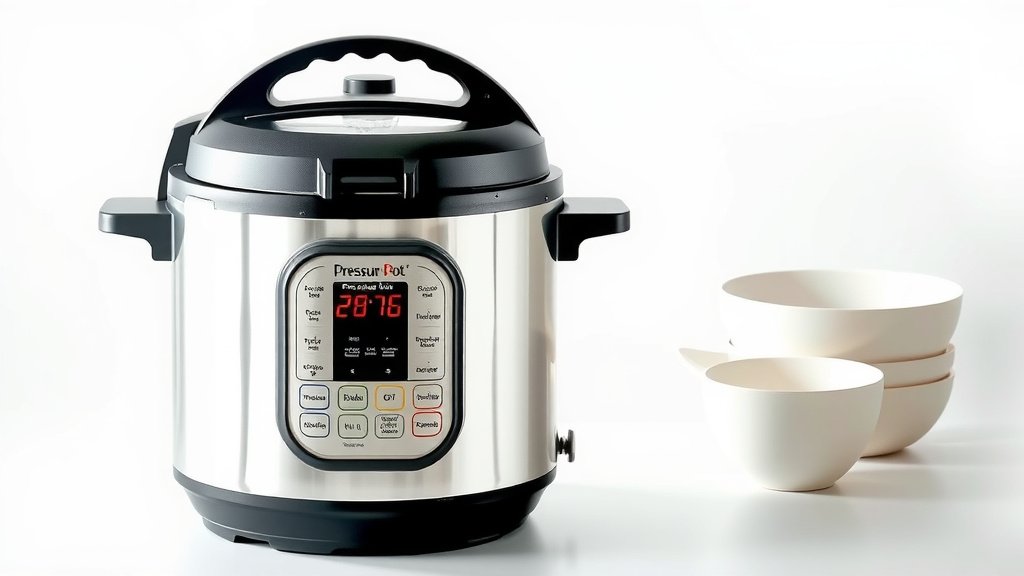
First, find the steam release valve on your pressure cooker. It’s usually a small knob or lever on the lid. It might be labeled “vent” or have a symbol indicating steam. You’ll see it clearly on most models.
Step 2: Ensure Your Food is Cooked
Make sure your recipe’s cooking time is complete. The pressure indicator should have popped up, showing the cooker is pressurized. Don’t try to quick release if the cooker hasn’t reached pressure. That wouldn’t make sense, right?
Step 3: Prepare for Steam Release
This is where you need to be careful. Keep your hands, face, and any other body parts away from the steam release valve. The steam that comes out is extremely hot. It can cause serious burns. Think of it like a tiny, powerful volcano. You don’t want to stand too close to the eruption.
Using a Utensil for Safety
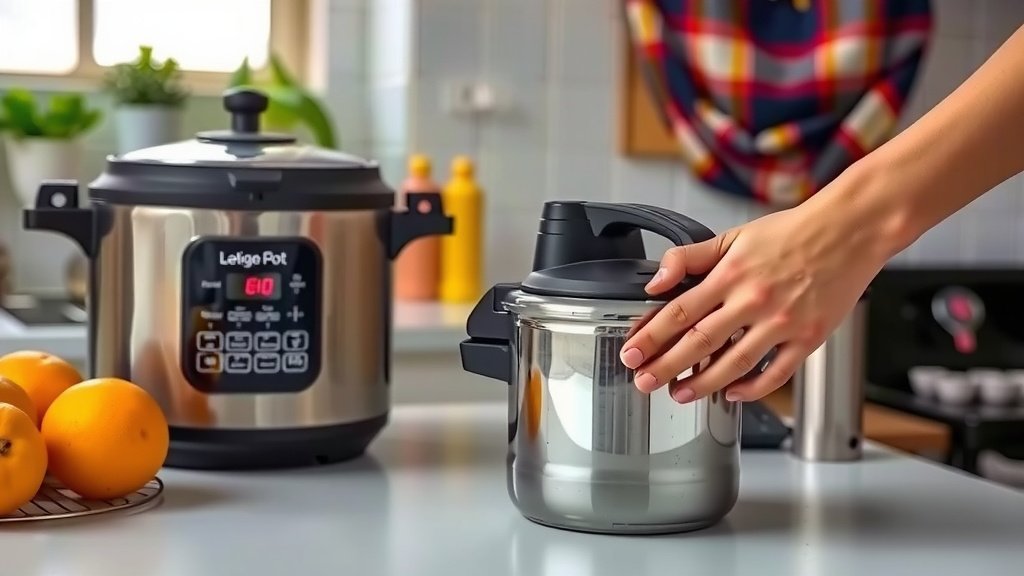
Many people find it helpful to use a long-handled spoon or a wooden utensil. You can use this to gently push or turn the valve. This keeps your hands at a safer distance. It’s a simple trick that makes a big difference. We found this makes the process much less intimidating.
Step 4: Open the Valve
Now, carefully move the valve to the “venting” or “open” position. You’ll hear a loud hissing sound. This is the steam escaping. Watch as it billows out. The pressure inside the cooker will start to decrease.
What to Expect
You’ll see a steady stream of steam coming from the valve. The pressure indicator (if your cooker has one) will begin to drop. This can take anywhere from a few seconds to a couple of minutes. It depends on how much pressure is in the cooker.
Step 5: Wait for Pressure to Fully Release
Keep the valve open until all the steam has stopped escaping. The pressure indicator should be completely down. This means it’s safe to open the lid. Some recipes might suggest waiting for a specific amount of time, so always follow your recipe’s guidance.
Step 6: Open the Lid Safely
Once the pressure is fully released, you can open the lid. It’s still a good idea to open it away from you. This way, any residual steam will move away from your face. Slowly lift the lid. You’ve successfully used the quick release method!
Foods Best Suited for Quick Release
Not all foods are created equal when it comes to pressure cooking. Quick release is best for items that cook fast. It prevents them from overcooking. Consider using it for:
- Vegetables (like broccoli, carrots, green beans)
- Fish and seafood
- Pasta and grains that cook quickly
- Certain desserts that require a faster finish
Research and many culinary guides point to these foods benefiting most from a swift pressure release (Cleveland Clinic). This helps maintain their texture and freshness.
Foods to Avoid Quick Release With
On the flip side, some foods can suffer from a quick release. They might become tough or fall apart too easily. It’s generally better to use natural release for:
- Tougher cuts of meat
- Dried beans and legumes
- Whole poultry
These items often need more time for the fibers to break down. Natural release provides this gentle, slow process. Many cooking experts recommend this approach to ensure the best results (National Institutes of Health).
Quick Release Checklist for Success
Here’s a quick checklist to ensure you’re ready:
- Confirm your recipe calls for quick release.
- Ensure the cooking time is finished.
- Locate the steam release valve.
- Have a long utensil ready.
- Keep hands and face away from the valve.
- Wait until all steam stops escaping.
Troubleshooting Common Quick Release Issues
Sometimes, things don’t go exactly as planned. What if the steam stops, but the pressure indicator is still up? This can happen. It might mean there’s a little bit of pressure left. Let it sit for another minute or two. If it doesn’t drop, you may need to gently jiggle the lid (while still being cautious of steam) or manually move the valve again.
What if there’s a lot of sputtering liquid coming out with the steam? This usually happens with very starchy foods or broths. If this occurs, you can try turning the valve slightly to slow the release. Be patient; it will still come down. We found that sometimes a quick release can be a bit messy, but that’s part of the learning process!
“`Conclusion
You’ve learned how to safely and effectively use the quick release method on your pressure cooker. Remember, this technique is fantastic for speeding up meals, especially with vegetables and seafood. Always prioritize safety by using a utensil and keeping your face and hands clear of the escaping steam. By following these steps, you’re well on your way to faster, delicious meals. Your next pressure-cooked dish is just minutes away!
Frequently Asked Questions
Can I use quick release for all foods?
No, quick release isn’t suitable for every dish. It’s best for quick-cooking foods like vegetables and fish. Tougher meats and beans often need a gentler, natural release to stay tender. Always check your recipe for guidance.
How long does quick release usually take?
The time it takes for quick release varies. It typically lasts from a few seconds to a couple of minutes. This depends on the amount of pressure built up inside the cooker. You’ll know it’s done when the steam stops and the pressure indicator drops completely.
What should I do if steam keeps coming out?
If steam continues to escape after you’ve opened the valve, don’t worry. This is normal until all the pressure is gone. Keep the valve in the open position and wait patiently. The pressure indicator should eventually drop, showing it’s safe to open the lid.
Is quick release safe for beginners?
Yes, quick release can be safe for beginners if done correctly. The most important step is to use a long utensil to operate the valve. This keeps your hands and face far from the hot steam. Always follow the steps carefully and stay aware of the steam.
What if my pressure indicator doesn’t drop after quick release?
If the pressure indicator remains up after the steam stops, there might be a tiny bit of pressure left. Let the cooker sit for another minute or two. If it still doesn’t drop, you may need to gently jiggle the lid or re-open the valve slightly. Always be cautious of any residual steam.