Can You Open a Pressure Cooker While Cooking? Safety First
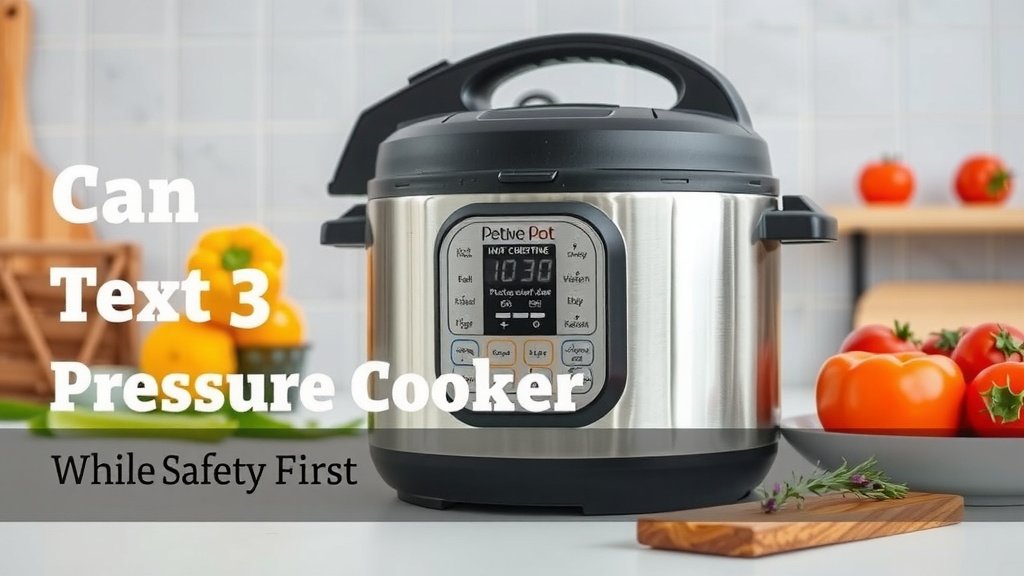
No, you absolutely should not open a pressure cooker while it is cooking. Attempting to open a pressure cooker when it’s still under high pressure can cause a dangerous eruption of hot steam and food. This could lead to severe burns or other serious injuries. Always wait for the pressure to release completely.
Pressure cookers work by building up steam. This steam increases the internal pressure, which in turn raises the cooking temperature. This is what makes cooking so much faster. For safety, they have locking mechanisms and pressure release valves. These are designed to keep you safe during the cooking process. Never try to force the lid open. To understand why you shouldn’t open a pressure cooker mid-cook, learn how pressure cookers work.
- Never open a pressure cooker during cooking.
- It can cause dangerous steam and food to spray out.
- This can result in serious burns and injuries.
- Always wait for the pressure to fully release.
Let’s walk through exactly why this is so important and the safe ways to release pressure. We’ll also cover what to do if you think something’s gone wrong.
Why You Should Never Open a Pressure Cooker Mid-Cook
It might seem tempting to peek inside your pressure cooker to check on your food, or maybe you’re in a hurry. But when it comes to pressure cookers, resisting that urge is absolutely critical. We’re talking about a device that works by building up a tremendous amount of steam and pressure inside a sealed pot. That pressure is what makes your food cook faster, but it’s also what makes opening it mid-cook incredibly dangerous.
Understanding the Science of Pressure Cooking
Think of your pressure cooker like a tiny, super-powered steam engine for your kitchen. Water boils at 212°F (100°C) at normal atmospheric pressure. Inside a pressure cooker, the trapped steam increases the pressure significantly. This higher pressure actually raises the boiling point of water to around 250°F (121°C). This superheated steam is what cooks your food much faster than conventional methods (National Center for Home Food Preservation). Understanding the high pressure cooker temperature is key to why you must wait for it to release.
The Dangers of Releasing Pressure Too Soon
So, what happens if you try to twist that lid open before the pressure has gone down? Imagine shaking a carbonated soda bottle really hard and then opening it. You know what happens next – a fizzy explosion! A pressure cooker is similar, but with much hotter contents.
When the cooker is still pressurized, there’s a powerful force holding the lid shut. Trying to force it open, or even thinking you can just nudge it open a crack, will cause the superheated steam and hot food to erupt outwards. This isn’t just a little mess; it’s a violent release of energy.
Potential for Severe Burns
The steam inside a pressure cooker is hotter than boiling water. When it escapes under pressure, it can cause instantaneous and severe burns. The force can also spray hot food particles and liquid, which can land on your skin, in your eyes, or on other surfaces, causing burns and damage.
Damage to Your Cooker
Even if you don’t injure yourself, attempting to open a pressurized cooker can damage the sealing mechanisms, gaskets, or the lid itself. This could compromise the cooker’s ability to build pressure safely in the future, making it unsafe to use.
Safe Ways to Release Pressure
Thankfully, all pressure cookers are designed with safety in mind. They have built-in mechanisms to ensure the pressure is released safely before you can open the lid. Understanding these methods is key to using your pressure cooker with confidence.
Natural Pressure Release (NPR)
This is the gentlest method. You simply let the cooker sit undisturbed after you’ve turned off the heat. The pressure will gradually decrease on its own as the contents cool down. This method can take anywhere from 10 to 30 minutes or even longer, depending on the amount of food and liquid inside.
Why use NPR? It’s often recommended for meats, beans, and other foods that can break apart easily. The slower release helps to keep the food tender and prevents it from falling apart. It’s like letting a steak rest after cooking – it helps retain juices.
Quick Pressure Release (QPR)
Many modern pressure cookers have a quick-release valve or knob. Once the cooking time is up, you’ll carefully turn this valve to vent the steam. You’ll see a lot of steam coming out rapidly. You can usually hear a hissing sound as the pressure escapes.
When to use QPR? This method is ideal for vegetables and delicate foods that cook quickly and can turn mushy if left to sit. It stops the cooking process almost immediately, preserving the texture and color of your food. Keep your hands and face away from the steam vent!
Cold Water Pressure Release (for Stovetop Models Only)
Some older stovetop pressure cooker models allow for a cold water release. You carefully run cold water over the lid or place the cooker in a sink and run water around the base. The cold water cools the pot quickly, reducing the internal pressure.
Important Note: This method is not recommended for electric pressure cookers, as it can damage the internal components. Always check your cooker’s manual to see if this is a safe option.
Recognizing When Your Pressure Cooker is Safe to Open
So, how do you know for sure that the pressure has dropped enough to safely open your cooker? Your pressure cooker is designed to give you clear signals.
The Pressure Indicator Pin/Lock
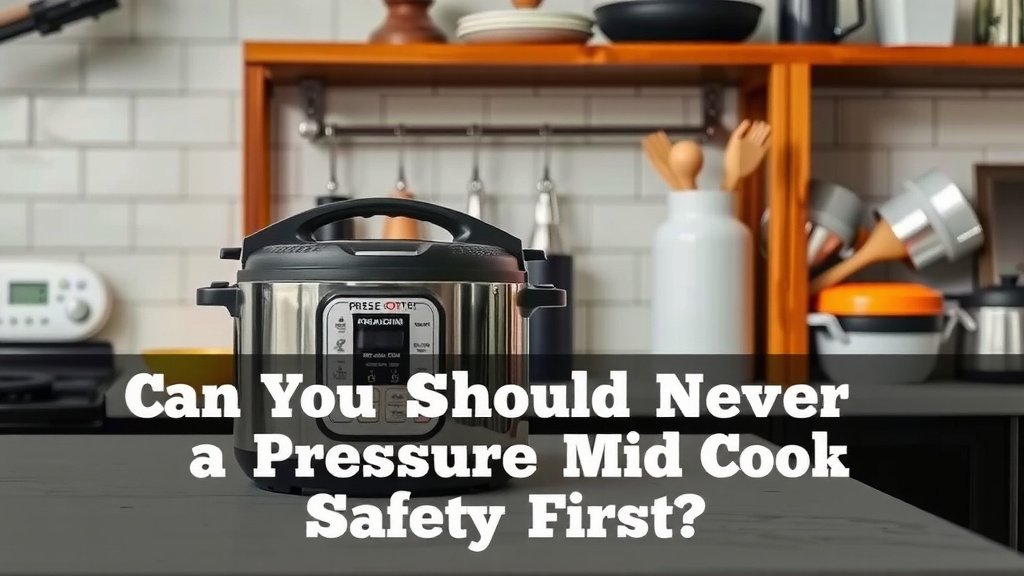
Most pressure cookers have a small pin or lever that pops up when the cooker is under pressure. This pin also acts as a secondary lock, preventing you from opening the lid while it’s still pressurized. When this pin has dropped back down into the lid, it’s a strong indicator that the pressure has been released.
The Lid Handle
Another common safety feature is that the lid handle will be difficult, if not impossible, to move when the cooker is still under pressure. Once the pressure has subsided, the lid handle will move freely. Never try to force it!
What if it’s Stuck?
If the pressure indicator pin hasn’t dropped or the lid handle still feels locked, do not force it. It simply means there’s still residual pressure inside. Give it a few more minutes. If it’s been a very long time and it still won’t budge, you might have a slightly blocked valve. You can try carefully moving the steam release valve a tiny bit with a long utensil (like a wooden spoon), keeping your face and hands clear of the vent. Sometimes, just a slight nudge is needed to release that last bit of pressure.
A Quick Safety Checklist
Before you even think about opening your pressure cooker, run through this quick mental checklist:
- Has the cooking time finished?
- Has the heat source been turned off?
- Has the pressure indicator pin dropped completely?
- Does the lid handle move freely without forcing?
- Is there no more steam escaping from the vents?
If you can answer “yes” to all of these, you should be good to go! If you’re ever unsure, it’s always safer to wait a little longer.
Conclusion
You’ve learned that opening a pressure cooker mid-cook is a serious safety risk. The intense steam and pressure inside can cause severe burns and damage your appliance. Always remember that your pressure cooker has safety features designed to tell you when it’s safe to open. Respecting these indicators is your best defense against accidents. Trust the process, wait for the pressure to fully release, and you’ll enjoy safe, delicious meals every time. Your next step is to always check that pressure indicator pin and lid handle before attempting to open.
Frequently Asked Questions
What if my pressure cooker is still hissing after I turned off the heat?
A little hiss might mean there’s still some pressure. If your pressure indicator pin hasn’t dropped, or the lid handle is still locked, it’s best to wait a bit longer. Sometimes it just needs a few extra minutes to release the remaining steam naturally. Don’t force it open.
Can I speed up the pressure release using the steam valve if I’m in a hurry?
Yes, you can often use the steam release valve for a quicker release, but you must do so carefully. Keep your hands and face away from the escaping steam. Use a long utensil to move the valve if possible. Remember, this is for quick release, not for opening the lid itself until the pressure has fully dropped.
My pressure cooker’s safety pin won’t drop. What should I do?
If the pressure indicator pin is stubbornly staying up, it means there’s still pressure inside. Give it more time. If it’s been an unusually long time, the valve might be slightly blocked. Try gently nudging the steam release valve with a long utensil, always keeping clear of the steam. Never try to force the lid.
Is it safe to put my electric pressure cooker under cold running water to cool it down?
No, you should never use the cold water method on electric pressure cookers. This can damage the internal components and electronics. This method is generally only recommended for specific stovetop models, and you should always consult your manual first. Stick to natural or quick release for electric models.
How do I know for sure my pressure cooker is completely depressurized?
You’ll know it’s safe when two main things happen: the pressure indicator pin has dropped completely back into the lid, and the lid handle moves freely without any resistance. If both these conditions are met, and no steam is actively escaping, your cooker is ready to open.