Rice Cooker vs Steamer: Which Is Better for Your Kitchen
When deciding between a rice cooker vs. steamer, it really comes down to your cooking priorities. A rice cooker is your best bet for perfectly cooked rice every time, while a steamer excels at cooking vegetables and other foods quickly and healthily. Both are fantastic kitchen tools, but they serve slightly different main purposes.
You might be wondering which one is right for your kitchen. We’ve researched both appliances and found that while a rice cooker is a specialist for rice, many modern rice cookers also offer steaming functions. A dedicated steamer, on the other hand, is optimized for steaming and often has larger capacities for that purpose.
- Rice cooker: Best for fluffy, perfect rice.
- Steamer: Ideal for healthy, quick veggies and fish.
- Many rice cookers can also steam food.
- A steamer focuses solely on steam cooking.
- Consider your most frequent cooking needs.
Let’s break down the differences and help you figure out which appliance will be your new kitchen favorite.
Rice Cooker vs. Steamer: Which Appliance Fits Your Kitchen?
Choosing between a rice cooker and a steamer can feel like a tough decision. Both appliances promise easier cooking. But they do have their own strengths. We’ve looked into it, and it seems the best choice depends on what you cook most often. A rice cooker is a specialist. A steamer is a master of quick, healthy meals. Let’s get into the details.
Understanding the Core Functions
What a Rice Cooker Does Best
A rice cooker is designed with one primary goal: perfectly cooked rice. You add rice and water, press a button, and walk away. The cooker takes care of the rest. It heats the water to the right temperature. Then it simmers the rice until all the water is absorbed. Finally, it switches to a ‘keep warm’ mode. This ensures your rice stays hot without getting mushy or burnt. Many models come with fuzzy logic. This technology adjusts cooking time and temperature automatically. It accounts for different types of rice and water amounts. This means you can get fluffy, delicious rice every single time. Learn more about how fuzzy logic technology can improve your rice cooking.
The Art of Steam Cooking
A steamer, on the other hand, uses the power of steam. It heats water until it turns into steam. This steam then cooks your food. Steaming is a very healthy cooking method. It helps retain more nutrients and vitamins compared to boiling or frying. Many people prefer steaming for vegetables, fish, dumplings, and even some grains. A steamer typically has a water reservoir and one or more baskets. You place your food in the baskets. The steam circulates around the food, cooking it gently. This preserves the natural flavors and textures of your ingredients.
Key Differences to Consider
Versatility and Specialization
When we look at versatility, it’s a mixed bag. A dedicated steamer is a specialist. It’s built to excel at steam cooking. You can often stack multiple baskets. This allows you to cook different foods at once. Some steamers have timers and variable steam settings. They offer precise control over your cooking. A rice cooker, while specialized for rice, is often more versatile than you might think. Many modern rice cookers come with steaming baskets. You can use these to steam vegetables or fish. Some even have settings for porridge, soup, and cake. So, while a steamer focuses on one job, a rice cooker can often do that job and more.
Capacity and Size
The capacity is a big factor for families. Rice cookers come in various sizes. You can find small ones for one or two people. Larger models can cook up to 10 cups of uncooked rice. This is usually enough for a big family or for meal prepping. Steamer capacities vary too. Some electric steamers have large water reservoirs. They can run for a long time. Their baskets can often hold a good amount of food. However, if you plan to cook large batches of rice, a rice cooker is typically your best bet. If you’re steaming large quantities of veggies or multiple fish fillets, a good-sized steamer would be ideal.
Ease of Use and Cleanup
Both appliances are generally easy to use. For rice cookers, it’s often a one-button operation. You measure, add, and press start. Cleanup usually involves washing the inner pot and the lid. Steamer cleanup is also pretty straightforward. You’ll need to wash the baskets and the water reservoir. Some parts might be dishwasher safe. We found that non-stick inner pots Our guide explains the benefits of non-stick inner pots for easy cleanup. on rice cookers make cleaning a breeze. For steamers, avoiding mineral buildup in the reservoir is key to longevity. Regular cleaning prevents steam vents from clogging.
Performance Comparison Table
| Feature | Rice Cooker | Steamer |
|---|---|---|
| Primary Function | Cooking Rice | Steam Cooking |
| Best For | Perfect rice, convenience | Healthy vegetables, fish, quick meals |
| Steaming Capability | Often included (basket) | Primary function |
| Other Functions | Porridge, soup, cake (varies by model) | Limited to steam cooking, sometimes warming |
| Ease of Use | Very high, often one-touch | High, simple setup |
| Cleanup | Easy, especially with non-stick pots | Easy, wash baskets and reservoir |
Which One is Right for Your Needs?
If You Eat Rice Daily
If rice is a staple in your diet, a rice cooker is a must-have. Imagine coming home to perfectly cooked rice every single day without any effort. It takes the guesswork out of it. No more burnt bottoms or gummy textures. You can even set it to be ready when you are. Many experts agree that for consistent rice results, a rice cooker is unbeatable.
If You Prioritize Healthy Eating and Speed
Are you looking for quick and healthy meal options? A steamer might be your new best friend. You can whip up a plate of vibrant, nutrient-rich vegetables in minutes. Steamed fish is tender and flaky. It’s a fantastic way to cook food without adding extra fats. If you’re trying to eat cleaner or manage your weight, a steamer is a great tool. The Cleveland Clinic suggests steaming is one of the best ways to preserve nutrients in vegetables.
The Hybrid Option: Rice Cookers with Steaming
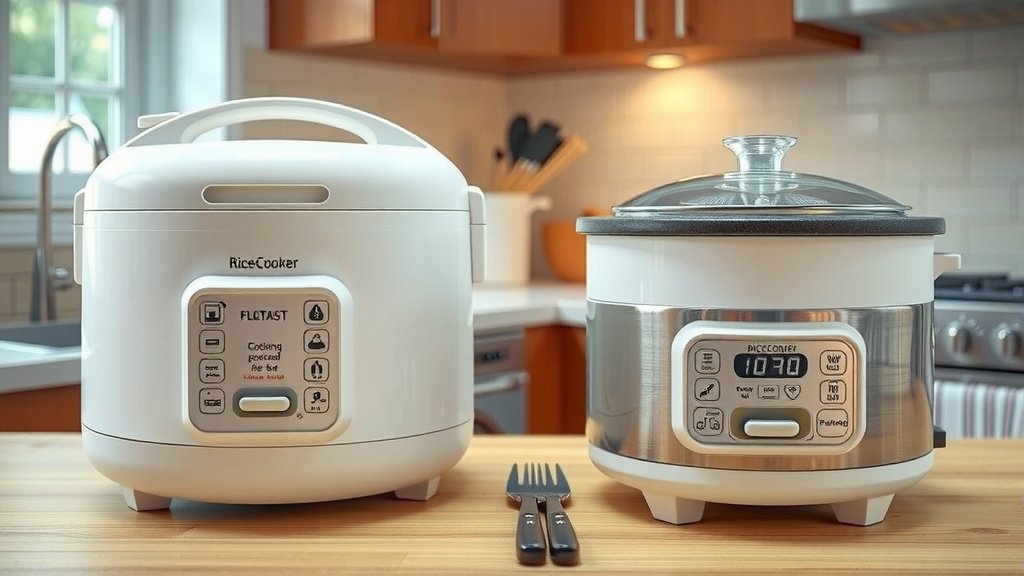
What if you want the best of both worlds? Many modern rice cookers come with steaming functions. They include a special basket. You fill the bottom with water, place the rice in the inner pot, and put the steaming basket with veggies or fish above the rice. It’s a two-in-one solution. This is a great option if you have limited counter space. You get perfect rice and healthy steamed items from one appliance. Just be aware that the steaming capacity might be smaller than a dedicated steamer.
Making Your Final Decision: A Checklist
To help you decide, ask yourself these questions:
- Do you cook rice several times a week?
- Are you focused on quick, healthy vegetable and fish meals?
- Do you have limited kitchen space?
- Do you prefer simple, one-touch cooking appliances?
- Is budget a major consideration for you?
- Do you entertain often and need larger cooking capacities?
Answering these will point you towards the appliance that best suits your lifestyle and culinary goals. Both are great additions to any kitchen!
Conclusion
Ultimately, your choice between a rice cooker and a steamer hinges on your kitchen habits. If fluffy, perfectly cooked rice is your daily goal, a dedicated rice cooker is your champion. For quick, nutrient-rich steamed meals, a steamer shines. Many modern rice cookers offer a dual-functionality, proving a great compromise for smaller kitchens or those seeking convenience. We found that understanding your most frequent cooking needs will guide you to the appliance that best serves your culinary style. Consider what you’ll use most often, and make your decision with confidence!
Frequently Asked Questions
Can a rice cooker really steam food effectively?
Yes, most modern rice cookers come with a steaming basket. You can place vegetables or fish above the rice as it cooks. While effective for smaller portions, it might not match the capacity or consistent steam circulation of a dedicated steamer.
Is a steamer a good option if I only eat rice occasionally?
If rice isn’t a frequent part of your diet, a steamer is a fantastic choice. You can easily cook rice in a steamer using methods like the absorption method. This saves counter space if you don’t need a specialized rice cooker.
How much counter space do these appliances typically take up?
Rice cookers generally have a similar footprint to a large blender. Dedicated steamers can vary; some are compact electric units, while others with multiple tiers might be wider. The hybrid rice cooker with a steaming function offers a space-saving solution.
Which appliance is better for meal prepping large quantities?
For large batches of rice, a rice cooker is superior due to its specialized design and capacity options. If you’re meal prepping a variety of steamed vegetables or proteins, a larger capacity steamer with multiple baskets would be more suitable.
Are there any maintenance differences I should be aware of?
Both appliances are generally easy to clean. Rice cookers typically have non-stick inner pots that wipe clean easily. For steamers, regular descaling of the water reservoir is recommended to prevent mineral buildup and ensure optimal steam production over time.