Pressure Cooker vs Instant Pot: Which Is Right for You
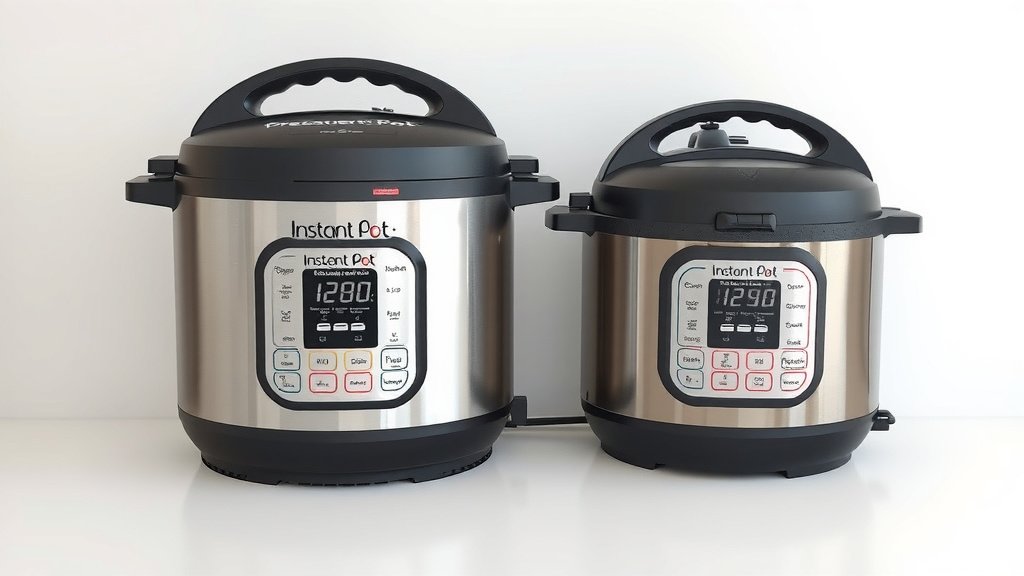
Choosing between a pressure cooker and an Instant Pot can be confusing, but the Instant Pot is essentially a modern, electric pressure cooker with added functions. While traditional pressure cookers use your stovetop, an Instant Pot is a multi-cooker with a built-in heating element, offering more versatility. Think of the Instant Pot as a souped-up pressure cooker with a digital brain.
We found that both devices excel at speeding up cooking times, but the Instant Pot simplifies the process with its pre-programmed settings and safety features. If you’re looking for a kitchen appliance that can sauté, slow cook, steam, and pressure cook all in one, the Instant Pot offers a more convenient all-in-one solution. It’s a kitchen workhorse that many have come to rely on for delicious meals in a fraction of the time.
TL;DR:
- Instant Pot is a modern, electric multi-cooker.
- Traditional pressure cookers use the stovetop.
- Both cook food much faster.
- Instant Pots offer more functions like sauté and slow cook.
- Instant Pots are generally safer and easier to use.
Let’s break down exactly what makes each unique and which might be the perfect fit for your kitchen.
Understanding the Kitchen Appliances: Pressure Cooker vs. Electric Multi-Cooker
When you’re trying to get a delicious meal on the table quickly, both a traditional pressure cooker and a modern electric multi-cooker, like the Instant Pot, can be your best friend. But what’s the real difference? Think of it this way: your stovetop pressure cooker is like a classic car. It’s reliable, does its job well, and has been around forever. The Instant Pot, on the other hand, is like a modern SUV. It also does the main job (pressure cooking) but adds a ton of extra features and conveniences.
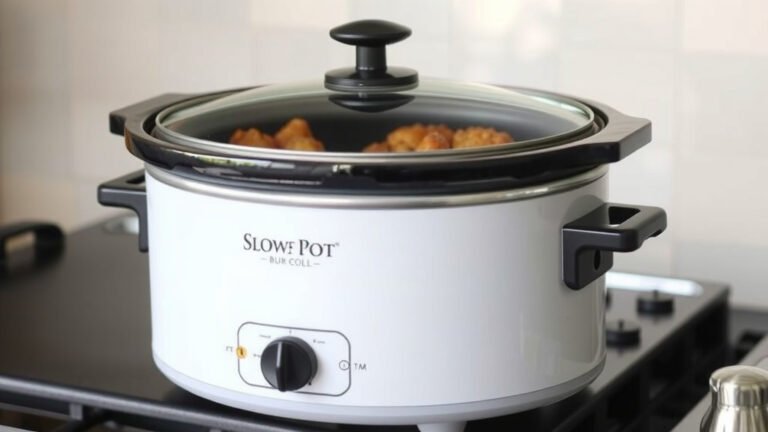
We’ve found that the core function of pressure cooking—using steam trapped under pressure to cook food much faster—is present in both. However, the way they achieve this and what else they offer sets them apart quite a bit. Your stovetop pressure cooker needs your constant attention, while an electric multi-cooker is much more of a set-it-and-forget-it kind of appliance. The article discusses how a pressure cooker and slow cooker differ in their cooking methods and results.
How Traditional Pressure Cookers Work
A stovetop pressure cooker is typically made of metal, often stainless steel or aluminum. It has a heavy lid that locks securely in place. Inside the lid, you’ll find a pressure regulator or valve. This valve is key; it releases excess steam to maintain a specific pressure level. The cooking happens in a sealed pot filled with liquid.
When you heat the pot on your stove, the liquid inside turns to steam. Because the lid is locked, this steam can’t escape easily. As more steam builds up, the pressure inside the pot increases. This higher pressure raises the boiling point of water. This means your food cooks at a temperature higher than the usual 212°F (100°C).
We found that this superheated steam works wonders for tenderizing meats and cooking beans or grains in a fraction of the usual time. For example, dried beans that might take hours to cook can be ready in under an hour. It’s a simple yet effective way to speed up cooking.
What You Need to Know About Using Them
Using a stovetop pressure cooker requires a bit more active participation from you. You need to monitor the heat source—your stove—to ensure the pressure is maintained correctly. The regulator will often jiggle or hiss to indicate it’s working. You also need to be careful when releasing the pressure. This is usually done by letting it cool down naturally or by carefully venting the steam. Many experts caution that improper use can be dangerous, though modern designs have improved safety features (National Safety Council).
Cleanup can sometimes be a bit more involved. You’ll need to wash the pot, lid, and any removable parts like the gasket and pressure valve. We found that regular use means occasional deep cleaning is also necessary to keep everything in top shape.
The Electric Multi-Cooker Advantage: Meet the Instant Pot
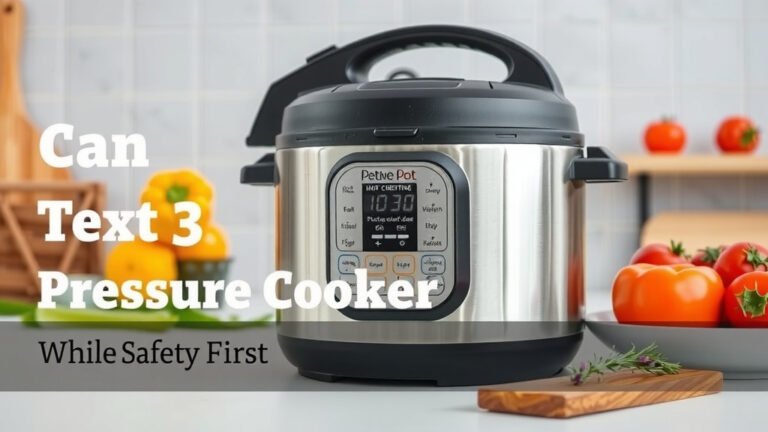
An electric multi-cooker, with the Instant Pot being the most popular example, takes the concept of pressure cooking and adds a whole lot more. It’s essentially a smart, programmable appliance with its own built-in heating element. This means you plug it into an outlet, and it controls the temperature and pressure itself. Many users love that they don’t need to stand over the stove.
The biggest draw is its versatility. Most Instant Pots aren’t just pressure cookers. They can also sauté, slow cook, steam, make yogurt, cook rice, and even sterilize. Imagine making a stew: you can sauté your onions and meat right in the pot, then add the rest of your ingredients and switch to pressure cook mode. This reduces the number of dishes you need to wash. We found this “one-pot” capability to be a huge time-saver and convenience.
Safety Features: A Modern Upgrade
Safety is a big area where electric multi-cookers shine. They have multiple built-in safety mechanisms. These include things like a lid-locking system that prevents opening under pressure and sensors that monitor temperature and pressure. If something seems off, the appliance will typically stop heating or automatically release pressure. Many studies show that these advanced safety features have greatly reduced the risks associated with pressure cooking (Food and Drug Administration).
You also get a much more hands-off experience. Once you set a program, you can often walk away and let it do its thing. The display panel will show you the progress, and it will often switch to a “keep warm” mode automatically when done. We found this to be incredibly helpful for busy weeknights.
Key Differences Summarized
Let’s lay out the main distinctions you’ll encounter:
| Feature | Traditional Pressure Cooker | Instant Pot (Electric Multi-Cooker) |
|---|---|---|
| Power Source | Stovetop (gas, electric, induction) | Electric outlet |
| Cooking Functions | Primarily pressure cooking | Pressure cook, sauté, slow cook, steam, rice cook, yogurt, etc. |
| Control | Manual (you adjust stove heat) | Programmable digital controls, pre-set buttons |
| Safety | Pressure regulator valve, manual monitoring required | Multiple built-in safety features, automatic shut-off |
| Convenience | Requires active attention, can be intimidating | Set-it-and-forget-it, easy to use, less monitoring |
| Portability | Can be moved easily when cool | Requires power outlet, less portable when in use |
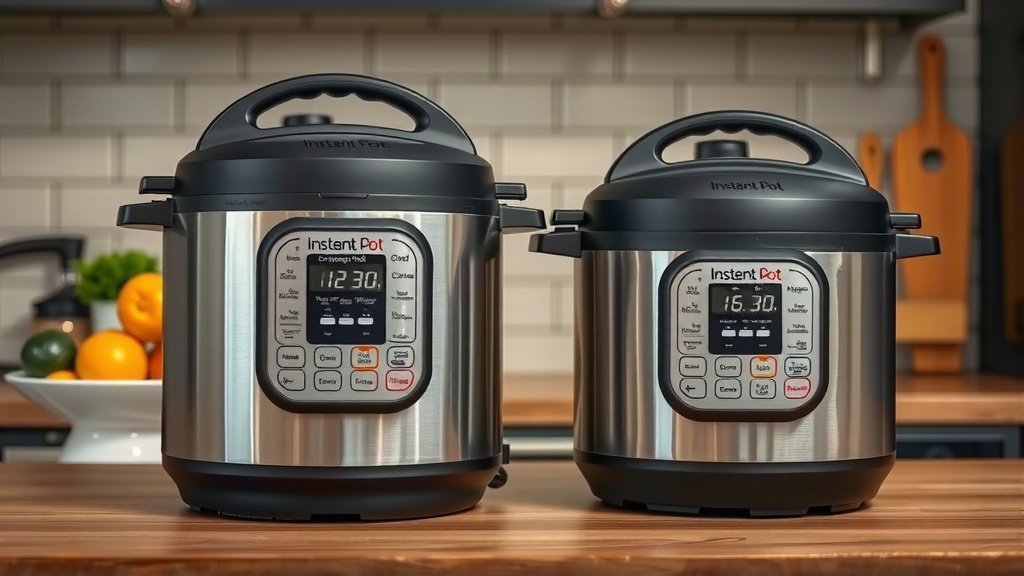
Which One is Right for Your Kitchen?
So, after looking at all this, how do you decide? Your choice really comes down to your cooking style, what you typically make, and how much you value convenience and extra features.
Consider a Stovetop Pressure Cooker If:
You love being in the kitchen and enjoy the tactile experience of cooking. You might already have a great stove and don’t want another appliance taking up counter space. You often cook large batches of things like beans, stocks, or tougher cuts of meat where pressure cooking is the star. Many chefs prefer stovetop models for the precise control they offer.
If you’re on a tighter budget, traditional pressure cookers are often less expensive upfront than electric multi-cookers. We found that for basic, effective pressure cooking, they are hard to beat for pure performance in that one area.
You’ll Likely Love an Instant Pot If:
You’re looking for an all-in-one kitchen workhorse. You want to simplify weeknight meals and have less cleanup. You appreciate the safety features and the ability to set-it-and-forget-it. If you enjoy experimenting with different cooking methods and want a single appliance to handle them, an Instant Pot is a fantastic choice. Many home cooks we’ve spoken with say it’s completely changed how they approach meal prep.
The variety of functions means you can potentially replace several other appliances, saving space in your kitchen. Think about making yogurt, steaming vegetables, or even proofing dough—all with one device. We found that for busy families, the ability to start dinner and then attend to other tasks is priceless.
Making Your Final Decision: A Quick Checklist
Before you commit, ask yourself these quick questions:
- Do you have ample counter space?
- How much do you mind actively monitoring cooking?
- Are you interested in functions beyond just pressure cooking?
- What’s your budget for a new kitchen appliance?
- How important are automated safety features to you?
- Do you often cook complex meals requiring multiple steps?
No matter which you choose, both devices are powerful tools for getting delicious food on your plate faster. It’s about finding the one that best fits your personal cooking rhythm.
Conclusion
So, you’ve seen how a traditional pressure cooker and a modern Instant Pot both speed up cooking. Your stovetop model offers classic simplicity and precise control for those who love hands-on cooking. The Instant Pot, on the other hand, brings unmatched versatility and convenience to your kitchen with its multiple functions and safety features. We found that the best choice depends entirely on your personal cooking style and kitchen needs. Think about what you cook most often and how much you value modern convenience. Take a moment to review the key differences and ask yourself those final questions to make the perfect pick for your home.
Frequently Asked Questions
Can a traditional pressure cooker do everything an Instant Pot can?
No, a traditional pressure cooker primarily focuses on pressure cooking. While it excels at tenderizing and speeding up cooks, it lacks the multi-functionality of an Instant Pot. You won’t find built-in settings for sautéing, slow cooking, or making yogurt on a stovetop model.
Is an Instant Pot safer to use than a stovetop pressure cooker?
Yes, Instant Pots are generally considered safer due to their advanced, built-in safety mechanisms. They have multiple sensors and lid-locking systems that prevent opening under pressure and automatically regulate heat and pressure, reducing user error.
Which is better for meal prepping, a pressure cooker or an Instant Pot?
For meal prepping, an Instant Pot often has an edge due to its versatility. You can sauté ingredients, pressure cook the main dish, and even use it for steaming or slow cooking other components, all in one pot, saving you time and dishes.
Do traditional pressure cookers cook food faster than an Instant Pot?
Both devices cook food significantly faster than conventional methods. The actual cooking time can be very similar for pressure cooking tasks. However, the Instant Pot’s ability to sauté first means you might complete an entire meal from start to finish quicker without switching pots.
Which is more budget-friendly, a stovetop pressure cooker or an Instant Pot?
Generally, a traditional stovetop pressure cooker is less expensive upfront than an Instant Pot. If your budget is a primary concern and you only need the pressure cooking function, a stovetop model is likely the more economical choice.