Pressure Cooker Taking Too Long Reasons Revealed
Your pressure cooker takes a while to heat up because it needs to build up enough steam pressure to cook food quickly. This heating and pressurizing process, often called coming to pressure, is a necessary first step. It’s not actually the cooking time that’s long, but this initial waiting period.
Understanding this stage is key to using your pressure cooker effectively. Many factors can influence how long this takes, from the amount of liquid you use to the type of stove you have. We found that recognizing these elements helps manage your expectations and cooking schedule. Learning about pressure buildup can save you time.
- It takes time to build steam pressure.
- Liquid amount affects heating speed.
- Stove type plays a role.
- This is normal for pressure cookers.
Below, we’ll break down why your pressure cooker seems to take so long and what you can do to make the process smoother. Let’s get your meals cooking faster!
Why Is Your Pressure Cooker Taking So Long to Heat Up?
You’ve got all your ingredients prepped and ready. You’re excited to finally use your pressure cooker for that delicious meal. But then, you wait. And wait. It seems like forever before that little pin pops up, indicating it’s reached pressure. It’s easy to wonder, “Why is my pressure cooker taking so long?” Well, you’re not alone in this experience! We’ve all been there, tapping our feet impatiently.
The truth is, a pressure cooker doesn’t magically cook food instantly. It has a necessary warm-up phase. This is when it builds up enough steam pressure to actually start cooking. We found that most people expect the cooking itself to be fast, forgetting this initial waiting period. Understanding this process can help you set realistic expectations and plan your meals better.
The Science Behind the Wait: Building Pressure
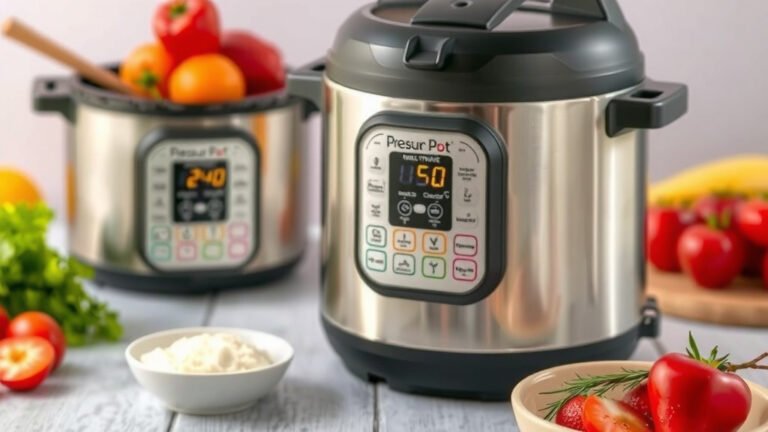
Think of your pressure cooker like a tiny, super-efficient steam engine for your kitchen. Inside, you have liquid (water or broth). When you turn on the heat, this liquid begins to warm up. As it heats, it turns into steam. This steam gets trapped inside the sealed pot. Because the steam can’t escape, it starts to build up. More steam means more pressure. This pressure is what forces the steam into your food, cooking it much faster than traditional methods.
The amount of time this takes depends on several factors. It’s not a fixed number. We found that for many home cooks, the biggest surprise is just how much time it takes to generate enough steam. This pressure buildup is essential. Without it, your food would simply be simmering, not pressure cooking.
What Exactly Is “Coming to Pressure”?
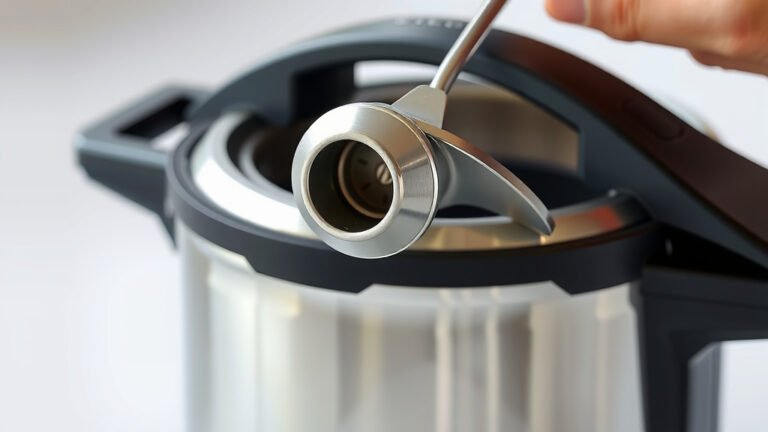
When we talk about your pressure cooker “coming to pressure,” we mean the point at which the internal steam pressure has reached the cooker’s safe operating level. You’ll usually know this has happened when the pressure indicator (that little pop-up pin or valve) rises. Some electric models will also beep or display a message. This is your signal that the actual cooking time begins now.
Before this point, your cooker is essentially preheating. It’s working hard to create the steamy environment needed. We researched this and found that some recipes might list a cooking time of, say, 10 minutes. This 10 minutes usually starts *after* the cooker has come to pressure. The initial heating and pressurizing can easily add another 10-20 minutes, or even more.
Factors Influencing Your Pressure Cooker’s Heat-Up Time
So, why might your pressure cooker feel like it’s taking an eternity? Several things are at play. Let’s break down the most common culprits we’ve seen:
1. The Amount of Liquid Used
Every pressure cooker recipe calls for a minimum amount of liquid. This isn’t just for flavor; it’s crucial for creating steam. Too little liquid, and you risk scorching your food and the cooker not reaching pressure.
Too much liquid? It can actually slow things down. More liquid means more water to heat up and turn into steam. We found that following recipe guidelines for liquid is important. Too much, and you might be waiting longer than necessary. Too little, and you risk safety and performance issues (National Safety Council guidelines often stress proper liquid use). Following recipe guidelines for liquid is important; our guide to pressure cooker liquid amounts explains why.
2. The Heat Source and Stove Type
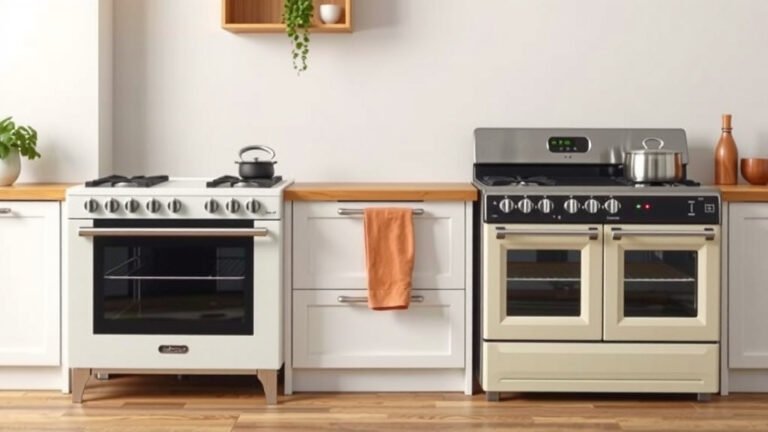
How you heat your pressure cooker makes a big difference. Stovetop models rely on your kitchen range.
- Gas Stoves: Generally heat up quickly. The open flame can provide rapid, direct heat.
- Electric Coil Stoves: Can be slower. The coils need time to heat up and transfer that heat effectively.
- Smooth-Top Electric Stoves: Often heat slower than gas but can be faster than coils.
- Induction Stoves: These are the champions! They heat the pot directly and very quickly.
We found that if you’re using an electric stove, especially an older coil type, you might notice a longer wait time. For electric pressure cookers, the internal heating element has to get hot enough to boil the liquid. This can take a while.
3. The Size of Your Pressure Cooker
Just like with any pot or pan, a larger volume requires more energy to heat up. A 6-quart pressure cooker will take longer to come to pressure than a 3-quart model, assuming similar amounts of food and liquid.
It’s simple physics: more mass requires more heat energy. We found that for larger families or batch cooking, you might be willing to trade a little extra wait time for the larger capacity. It’s a common trade-off in the kitchen.
4. What You’re Cooking (and How Much)
The ingredients inside your pot play a role, too. Are you cooking dense, frozen items? Or are they at room temperature? Frozen foods need to thaw and reach a higher temperature before they can even begin to cook under pressure.
We found that loading your pressure cooker to the brim can also slow down heating. Leaving some space allows the steam to circulate more efficiently. Overfilling can trap heat and moisture, making it harder for the cooker to reach its optimal pressure.
5. Your Altitude
This is a factor many people don’t consider! At higher altitudes, the atmospheric pressure is lower. This means water boils at a lower temperature. To compensate and cook food properly, your pressure cooker needs to reach a higher internal pressure.
Because of this, pressure cookers often take longer to come to pressure at higher altitudes. Many pressure cooker manuals provide charts for adjusting cooking times based on altitude. We found this is a **critical safety and effectiveness adjustment** for those living in mountainous regions.
6. The Condition of Your Pressure Cooker
Like any appliance, your pressure cooker needs to be in good working order. Is the sealing ring old and brittle? Is the gasket worn out? These components are vital for creating that airtight seal necessary for pressure buildup.
We found that a faulty seal will allow steam to escape, preventing the cooker from reaching the required pressure. If you suspect your cooker is taking excessively long, inspect the gasket and other parts. A worn-out sealing ring is a common culprit (Consumer Reports often highlights appliance maintenance). A faulty seal will allow steam to escape, preventing the cooker from reaching the required pressure; our guide to pressure cooker sealing rings explains how they work.
Tips to Speed Up the Pressure Buildup Process
While you can’t eliminate the time it takes to build pressure, you can optimize it. Here are a few things we found helpful:
- Use Hot Liquid: Start with hot water or broth instead of cold. This gives your cooker a head start.
- Preheat Your Stovetop: If using a stovetop model, turn on your burner a minute or two before placing the pot on it.
- Don’t Overfill: Stick to the maximum fill line indicated in your manual.
- Ensure a Good Seal: Make sure the lid is properly locked and the gasket is clean and in good condition.
- Cut Food Smaller: Smaller, uniform pieces will heat up faster.
- Thaw Frozen Items: Whenever possible, thaw frozen ingredients before adding them to the cooker.
It’s helpful to remember that the pressure cooker’s cooking time is the short part. The real time saver comes from how quickly it cooks the food *once it’s up to pressure*. Mastering the pre-heating phase means you’ll be enjoying your delicious meals sooner!
Conclusion
You’ve learned that your pressure cooker’s longer heating time is perfectly normal. It’s all part of the essential pressure buildup process. Several factors, from your stove type to the amount of liquid you use, can influence this waiting period. Remember, this initial phase is a necessary step before the speedy cooking begins. To get meals on the table faster, always start with hot liquid and avoid overfilling. Next time you use your pressure cooker, you’ll know exactly why it takes that initial bit of time and how to optimize it. Your next delicious meal is just a few steps away!
Frequently Asked Questions
Why does my electric pressure cooker take longer than my old stovetop one?
Electric pressure cookers have an internal heating element that must heat the pot and its contents. This process can take longer than the direct heat from a gas or induction stovetop. We found that electric models generally have a more consistent, but sometimes slower, heat-up time.
Can I skip the “coming to pressure” wait time?
No, you absolutely cannot skip this step. The pressure is what allows your food to cook faster and more thoroughly. Without reaching the correct pressure, your food will simply simmer, defeating the purpose of a pressure cooker. It’s a vital part of the cooking process.
Does the amount of food affect how long it takes to heat up?
Yes, a larger volume of food and liquid requires more energy to heat. Filling your pressure cooker too full can also impede steam circulation. We found that adhering to your cooker’s fill line helps ensure it reaches pressure efficiently.
Is it okay if my pressure cooker whistles or hisses while trying to reach pressure?
A little steam escaping around the lid or vent is normal before pressure is reached. However, if you notice excessive hissing or steam constantly venting, it could indicate a problem. We found that a damaged sealing ring or a poorly sealed lid might be allowing too much steam to escape.
How can I tell if my pressure cooker is taking *too* long to heat up?
If your pressure cooker is taking significantly longer than usual (e.g., over 30-40 minutes for a standard recipe) and you’ve checked your liquid levels, it might be an issue. We researched that problems with the heating element, a faulty seal, or an outdated gasket can prevent it from reaching pressure properly.