How Induction Hobs Detect Pans: The Science Explained
An induction hob detects a pan using a magnetic field and a coil of copper wire beneath the ceramic surface. When you place a compatible pan on the hob, it creates a temporary magnetic field. This field causes the molecules in the pan to vibrate rapidly, generating heat directly within the cookware. It’s this direct heating method that makes induction so efficient and responsive, and it’s all thanks to a little bit of science!
This technology means your induction hob knows precisely when a pan is present and suitable for cooking. It won’t heat up without a pan, making it a safer and more energy-efficient choice compared to traditional stovetops. We found that this smart detection system is key to preventing accidental activation and ensuring your cooking experience is both enjoyable and safe. It’s quite clever, really!
- Induction hobs use a magnetic field.
- A copper coil creates this field.
- The pan itself becomes the heat source.
- This makes them energy-efficient.
- They only heat up when a compatible pan is present.
Ready to understand the magic behind your speedy stovetop? Let’s walk through exactly how your induction hob figures out when it’s time to get cooking!
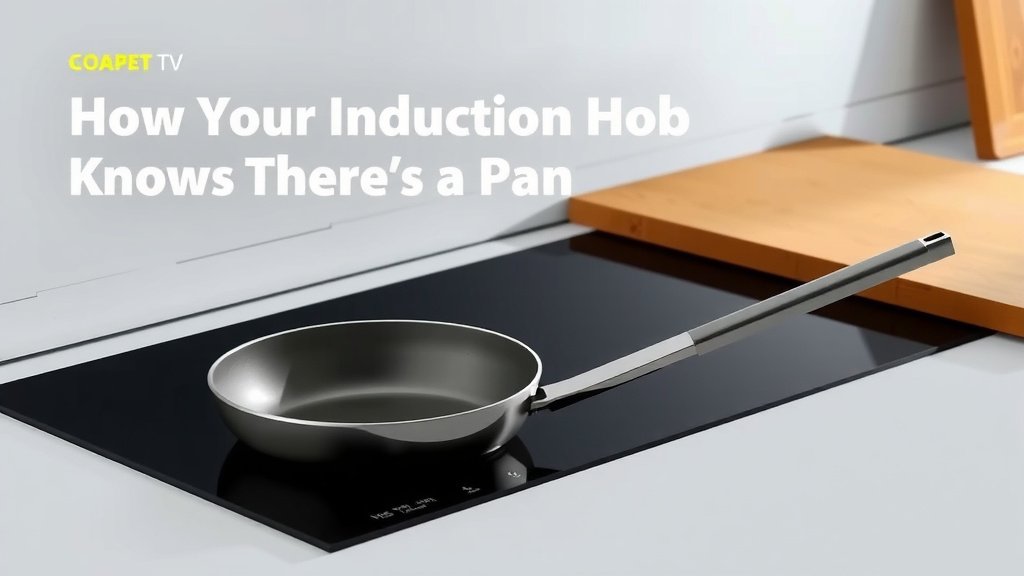
How Your Induction Hob Knows There’s a Pan
It might seem like magic, but your induction hob has a smart way of knowing exactly when to heat up. It uses a clever bit of electromagnetism. Essentially, it checks if you’ve placed a compatible pan on its surface before it starts sending power to the heating coil.
This system is designed with safety and efficiency in mind. You won’t find your hob heating up randomly. It needs that specific metal pot or pan to get going.
The Science Behind Pan Detection
At the heart of your induction hob is a copper coil. This coil sits just beneath the smooth ceramic glass surface. When you turn on a cooking zone, the hob sends an alternating electric current through this copper coil. This current is what creates a magnetic field.
This magnetic field is the key player. It’s not a permanent magnet, but a constantly changing one. It extends a short distance above the hob’s surface.
What Happens When a Pan Arrives?
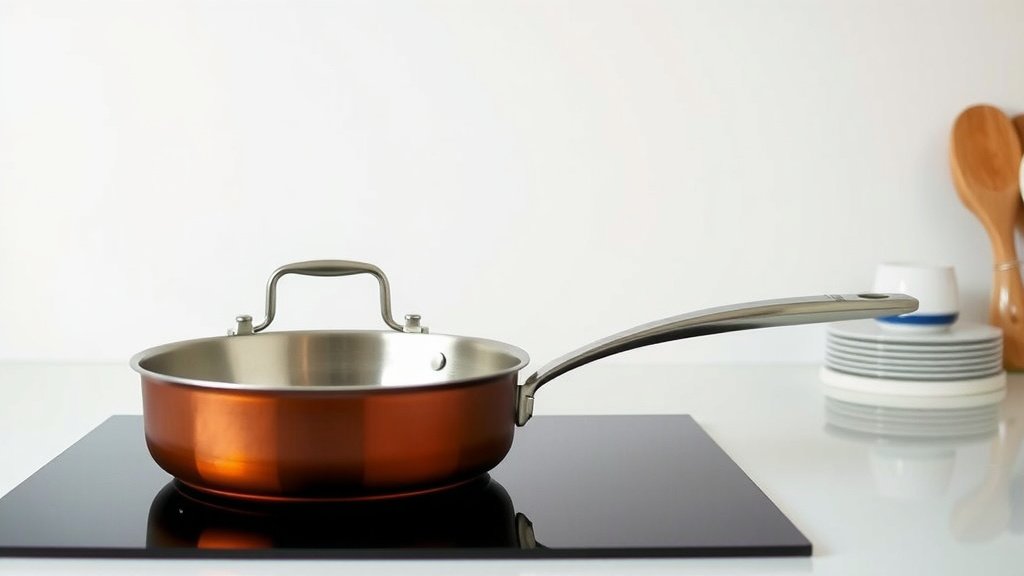
Now, imagine placing a pan on that cooking zone. For your induction hob to work, the pan needs to be made of a ferromagnetic material. Think cast iron or certain types of stainless steel. These materials are attracted to magnets.
When this type of pan enters the magnetic field generated by the hob’s coil, something interesting happens. The alternating magnetic field causes the tiny metal molecules within the base of the pan to move. This movement creates tiny electrical currents inside the pan itself.
Generating Heat Directly
These induced electrical currents, known as eddy currents, encounter resistance as they flow through the metal of the pan. This resistance causes the metal to heat up. It’s like friction at a molecular level! So, the pan itself becomes the actual heat source, getting hot directly where your food is.
This is why induction cooking is so fast and responsive. The heat isn’t generated by the hob and then transferred to the pan; it’s generated within the pan. Many experts highlight this direct heating as the primary reason for induction’s efficiency (National Institute of Standards and Technology).
How the Hob “Sees” the Pan
So, how does the hob know the pan is there and that it’s the right kind? When you place a ferromagnetic pan on the hob, it disrupts the magnetic field. The coil senses this change.
Think of it like throwing a pebble into a still pond. The ripples are the magnetic field. When the pan (the pebble) hits the water, it changes the pattern of those ripples. The hob’s electronics are designed to detect these changes.
If the hob’s sensor detects a significant enough disruption in the magnetic field, it interprets this as a compatible pan being present. It then allows the full power to flow to the coil, generating heat. If there’s no pan, or if it’s made of a non-ferromagnetic material (like aluminum or copper without a special base), the magnetic field isn’t disrupted in the right way. The hob simply won’t activate the heating process.
Testing for Pan Compatibility
Most induction hobs perform a quick, automatic test when you place a pan down. They pulse a low-level magnetic field. This pulse is just enough to see if it generates a return signal indicating a suitable pan.
Some models might even do a secondary check. They might look for a certain amount of heat being generated in the pan. This ensures that not only is there a pan, but it’s also capable of being heated efficiently.
What Makes a Pan “Induction-Ready”?
Not all pots and pans will work on an induction hob. The critical factor is the material. Here’s a quick rundown:
- Ferromagnetic Base: This is the most important feature. Pans made of cast iron or steel are usually good to go.
- Flat Bottom: The base of the pan needs to be relatively flat and in good contact with the hob surface. A warped or heavily textured bottom can interfere with the magnetic field.
- Thickness: While not always a strict rule, pans with a thicker, solid base tend to work best. Thin, flimsy pans might not disrupt the field sufficiently.
A simple way to check if your existing cookware is induction-compatible is to see if a magnet sticks firmly to its base. If it does, chances are it will work!
When Your Hob Might Not Detect a Pan
Even with this smart technology, there are a few reasons why your hob might seem confused:
- Wrong Material: Using a pan made of aluminum, copper, glass, or ceramic without a special induction base won’t work. They aren’t ferromagnetic.
- Pan Size: If the pan is too small, it might not be large enough to create a significant disruption in the magnetic field that the hob is looking for.
- Surface Issues: Debris, a very wet surface, or a damaged hob surface can sometimes interfere with the detection process.
- Pan Placement: Ensure the pan is centered on the cooking zone. If it’s too far off to the side, it might not be within the active magnetic field.
We found that keeping the hob surface clean and dry is a simple but effective habit for ensuring smooth operation. Many user guides suggest this as a first troubleshooting step.
| Pan Material | Works on Induction? | Why? |
|---|---|---|
| Cast Iron | Yes | Ferromagnetic, disrupts magnetic field effectively. |
| Stainless Steel (magnetic grades) | Yes | Contains iron, allowing it to interact with the magnetic field. |
| Aluminum (plain) | No | Not ferromagnetic; doesn’t react to the magnetic field. |
| Copper (plain) | No | Not ferromagnetic; doesn’t react to the magnetic field. |
| Glass/Ceramic | No | Not metallic; doesn’t interact with the magnetic field. |
| Multi-ply with induction base | Yes | Features a layer of ferromagnetic material. |
Safety First: The Smart Detection Benefit
This pan detection system is a fantastic safety feature. Because the hob only heats up when a compatible pan is present and making contact, it drastically reduces the risk of accidental burns or fires. You don’t have to worry about leaving a burner on with nothing on it.
Many safety organizations point to induction technology as a safer alternative to gas or traditional electric stovetops due to its controlled heating mechanisms (Consumer Product Safety Commission). Your hob is designed to be smart about how and when it uses energy.
Quick Checklist: Is Your Pan Induction-Ready?
Before you start cooking, run through this quick mental checklist:
- Does a magnet stick firmly to the bottom of your pan?
- Is the bottom of the pan relatively flat?
- Is the pan made of a metal like iron or certain steel?
- Is the pan large enough to cover most of the cooking zone?
- Is the hob surface clean and dry where the pan sits?
- Is the pan centered on the cooking zone?
If you answered ‘yes’ to most of these, you’re likely good to go!
Conclusion
You’ve learned how your induction hob uses a magnetic field and a copper coil to “see” a compatible pan. This clever electromagnetism allows the hob to only heat up when a ferromagnetic pan is present, making it incredibly safe and energy-efficient. It’s this direct heat generation within your cookware that gives you that speedy, responsive cooking experience. Now you can cook with confidence, knowing exactly why your hob works the way it does. To ensure your hob always detects your pans correctly, always double-check that your cookware is induction-ready before you begin your culinary adventures!
Frequently Asked Questions
Can any pot or pan work on an induction hob?
No, not all cookware is compatible. Your pan must have a ferromagnetic base, meaning a magnet will stick to it. This allows the pan to interact with the hob’s magnetic field and generate heat.
What happens if I place a non-magnetic pan on the hob?
If you place a pan made of aluminum, copper, glass, or ceramic without a special induction base, the hob won’t detect it. The magnetic field won’t be disrupted correctly, and the hob will not activate the heating element.
Why doesn’t my induction hob heat up without a pan?
Your hob is designed with safety in mind. It generates a magnetic field, but it only initiates the heating process when it detects a significant disruption in that field. This disruption is caused by a compatible, ferromagnetic pan.
How do I know if my existing pots and pans are induction-ready?
The easiest way is to use a common household magnet. If the magnet sticks firmly to the bottom of your pan, it’s likely induction-compatible. Look for pans made of cast iron or certain types of stainless steel.
Can a pan that is too small be detected?
Yes, a pan might be too small to trigger the detection system. The hob’s sensors look for a certain size of magnetic field disruption. If the pan doesn’t cover enough of the cooking zone, it might not be recognized as a valid cooking vessel.