What Is a Cooker Hood: Your Kitchen Air Quality Guide
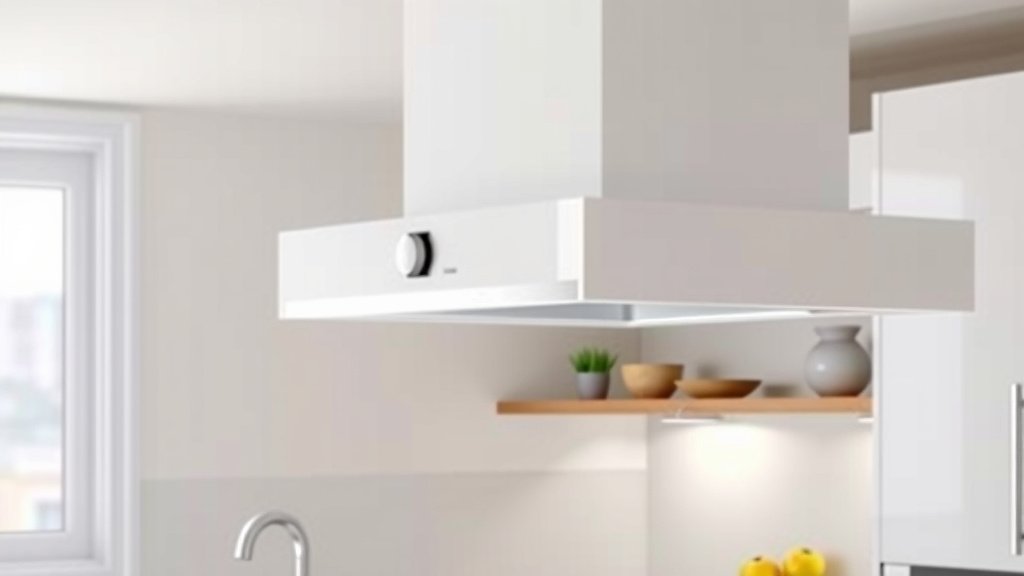
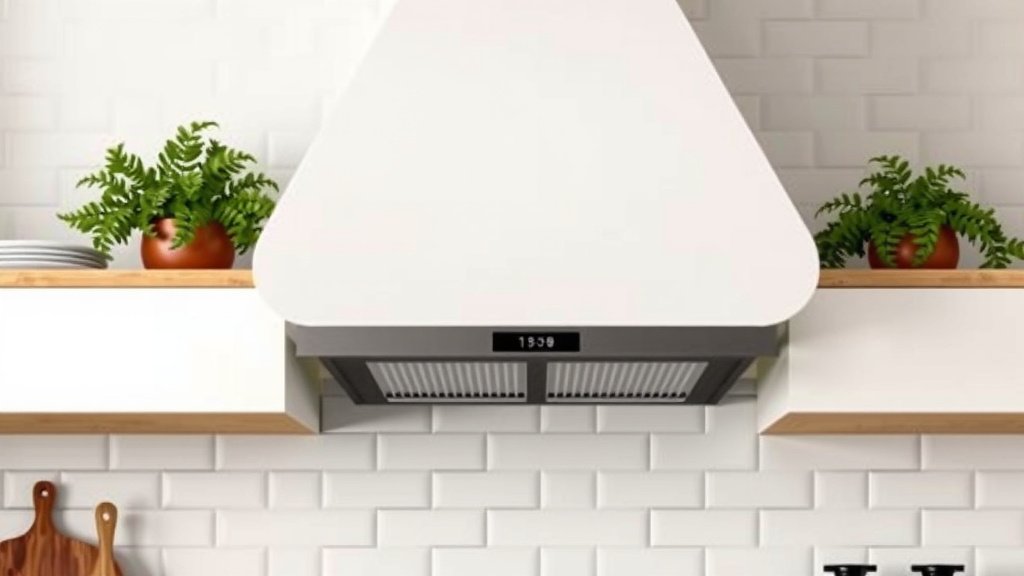
A cooker hood, also known as a range hood, is a kitchen appliance designed to remove airborne grease, combustion products, smoke, heat, and steam from the air. It helps keep your kitchen air clean and fresh, preventing those lingering cooking smells. Think of it as your kitchen’s personal air purifier during a cooking session.
When you cook, especially when frying or searing, tiny particles and odors can fill your kitchen. A cooker hood actively sucks up this unwanted air through its filters. Many models also recirculate the air after filtering, while others vent it directly outside your home. It’s a vital part of a comfortable and healthy kitchen environment.
- Removes grease, smoke, and odors.
- Improves kitchen air quality.
- Prevents lingering smells.
- Different types exist for various needs.
We found that understanding how your cooker hood works can really help you appreciate its role. Let’s break down exactly what it does and how to get the most out of yours.
How a Range Hood Keeps Your Kitchen Fresh
So, what exactly is a cooker hood doing when it hums away above your stove? It’s essentially your kitchen’s exhaust system. Your range hood works by pulling air from your cooking area and either cleaning it or sending it outside. This process is key to maintaining a pleasant and healthy environment in your home.
Think about all the things that happen when you cook. You’re releasing heat, steam, and tiny particles of grease into the air. Without a cooker hood, these elements would just hang around. They can make surfaces sticky, leave odors that linger for days, and even affect your indoor air quality. The hood acts as the first line of defense against all of that.
The Science Behind the Suction: How It Works
At its core, a cooker hood is a fan and a filter system. The fan is the powerhouse, drawing air upwards. The filters are where the magic of purification happens, trapping unwanted particles before the air is either recirculated or exhausted.
Understanding the Filtration Process
Most cooker hoods use at least one type of filter. These are the unsung heroes that catch the grease and other airborne particles from your cooking. Without them, your kitchen would quickly become a greasy mess. Research shows that effective filtration is crucial for performance.
Grease Filters: The First Line of Defense
These are usually found directly above your cooktop. They are designed to capture the majority of the grease released during cooking. Most common types are made of metal mesh or baffle plates. Metal filters are often washable, which is a big plus for maintenance. They work by forcing the air through a maze-like structure, causing grease particles to stick.
Carbon Filters: For Odor Control
If your cooker hood recirculates air back into the kitchen, it will almost certainly have carbon filters. These filters contain activated charcoal, which is highly porous. Activated charcoal is brilliant at absorbing odors and smoke particles. While they don’t filter grease, they do a fantastic job of neutralizing smells, leaving your kitchen smelling fresher. These filters typically need to be replaced every few months, as they become saturated over time.
The Two Main Ways Your Hood Manages Air
When you’re choosing a cooker hood, you’ll likely encounter two main types of ventilation: ducted and ductless. Each has its own way of handling the air after it passes through the filters. We found that understanding this difference is key to picking the right one for your kitchen.
Ducted (Exhaust) Hoods: Venting Outside
These are generally considered the most effective. A ducted hood uses a system of pipes (ducts) to carry the air from your kitchen directly outside your home. This means all the grease, smoke, steam, and odors are completely removed from your living space. Many building codes recommend this type for optimal air quality (American Society of Heating, Refrigerating and Air-Conditioning Engineers – ASHRAE).
Ductless (Recirculating) Hoods: Filtering and Returning
Ductless hoods, on the other hand, filter the air and then push it back into the kitchen. They rely heavily on effective grease and carbon filters to do their job. While they are easier to install and don’t require external venting, they don’t remove heat or moisture as effectively as ducted models. They are a good option when venting outside isn’t possible.
The Benefits Beyond Just Smelling Good
A cooker hood does more than just eliminate those fried onion smells. It plays a significant role in the overall health and cleanliness of your kitchen environment. Think of it as a silent guardian of your home’s air quality.
One of the most immediate benefits is the reduction of airborne grease. This grease can settle on your cabinets, walls, and even furniture, creating a sticky film that’s hard to clean. By capturing it, your hood saves you a lot of scrubbing time and effort. It also helps prevent greasy buildup on your stovetop and oven, making cleaning those appliances much easier.
Furthermore, managing steam and heat is another important function. Boiling water or simmering sauces can generate a lot of steam. Without ventilation, this moisture can contribute to condensation, potentially leading to mold or mildew problems over time. Heat is also dissipated, making your cooking experience more comfortable.
We found that improved air quality is a major advantage. For people with respiratory sensitivities, cooking can sometimes exacerbate issues. Removing smoke, steam, and cooking fumes helps create a healthier indoor atmosphere for everyone in the household. The U.S. Environmental Protection Agency (EPA) has highlighted the importance of good indoor air quality for public health.
Keeping Your Hood in Top Shape: A Quick Checklist
To ensure your cooker hood is working its best, a little regular maintenance goes a long way. Here’s a simple checklist to keep it running efficiently:
- Check and clean metal grease filters regularly.
- Replace carbon filters as recommended by the manufacturer.
- Wipe down the exterior surfaces to prevent buildup.
- Ensure the fan is running smoothly without strange noises.
- Inspect ductwork for any blockages (if applicable).
Conclusion
You now understand that a cooker hood is much more than just a kitchen gadget. It’s your first line of defense against grease, smoke, and odors. Whether ducted or ductless, it actively works to keep your kitchen air clean and your surfaces less greasy. Regular maintenance ensures it performs at its best, saving you cleaning time and contributing to a healthier home environment. So, give your cooker hood the attention it deserves – your kitchen (and your lungs!) will thank you for it.
Frequently Asked Questions
How often should I clean my cooker hood filters?
You should clean your metal grease filters at least once a month, or more often if you do a lot of frying. For carbon filters in ductless hoods, plan to replace them every 3 to 6 months, as they lose their odor-absorbing effectiveness over time.
Can I install a cooker hood myself?
Installing a ductless hood is often a DIY project, especially if it’s a simple plug-in model. However, ducted hoods require connecting to exterior vent pipes, which can be more complex and may require professional help to ensure proper installation and airflow.
What’s the difference between a range hood and a cooker hood?
There is no difference! Range hood is simply another name for a cooker hood, commonly used in North America. Both terms refer to the same appliance that sits above your stove to remove cooking fumes.
Are ductless cooker hoods effective at removing grease?
Ductless hoods are effective at capturing grease with their metal filters. However, they rely on carbon filters to remove odors and don’t vent them outside. This means some moisture and heat may remain in the kitchen, and they require regular filter replacements.
Will a cooker hood help with allergies or asthma?
Yes, a well-functioning cooker hood can certainly help. By removing smoke, steam, and airborne particles, it improves indoor air quality, which can be beneficial for individuals with respiratory sensitivities like allergies or asthma.