Bake in a Rice Cooker: Yes, Here’s How
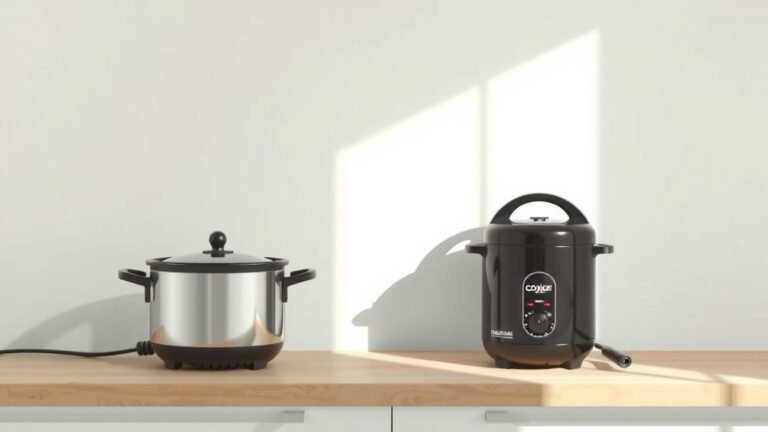
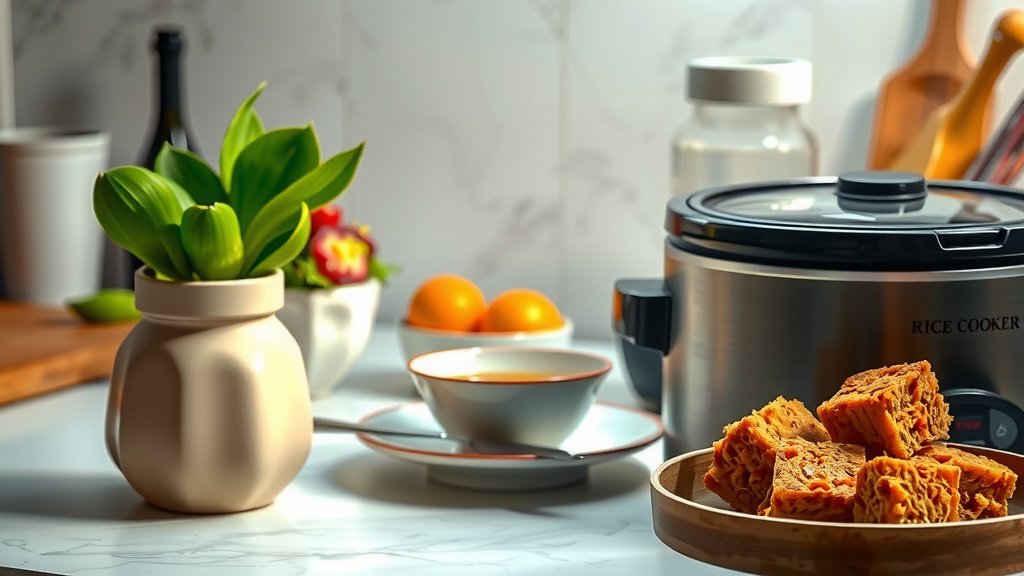
Yes, you absolutely can bake in a rice cooker! It might sound a little unusual, but rice cookers are surprisingly versatile kitchen appliances. They use gentle, consistent heat, which is perfect for making many types of baked goods, from simple cakes to fluffy muffins and even bread. You just need to adjust your recipes a bit.
We’ve found that a rice cooker can be a fantastic tool when your oven is occupied or if you’re looking for a more energy-efficient baking method. Many people are discovering that their rice cooker is more than just a rice-making machine. It’s a compact, countertop baker waiting to happen, offering a unique way to prepare your favorite treats without the fuss of a traditional oven. Many people are discovering that their rice cooker is more than just a rice-making machine.
TL;DR:
- Yes, you can bake in a rice cooker!
- Rice cookers provide gentle, consistent heat.
- They’re great for cakes, muffins, and bread.
- It’s a good alternative when your oven is busy.
- Adjust recipes slightly for best results.
Below, we’ll walk you through exactly how you can start baking delicious treats using your trusty rice cooker.
Baking Adventures in Your Rice Cooker
Can you really bake a cake in a rice cooker? The answer is a resounding yes! Many people are surprised to learn that their trusty rice cooker can whip up more than just fluffy rice. Think of your rice cooker as a mini, controlled oven. It provides steady, gentle heat that’s actually perfect for many baking recipes. It’s a fantastic option when your main oven is busy or if you’re looking for a simpler way to bake.
Understanding How Your Rice Cooker Works for Baking
Rice cookers operate on a simple principle. They heat a cooking pot to a specific temperature. Once the water boils away, they often switch to a warming mode, which keeps things at a lower, consistent heat. This consistent temperature is key for baking. It prevents the harsh, dry heat you can sometimes get from a conventional oven.
The Science Behind the Gentle Heat
The heating element in most rice cookers is located at the bottom. It heats the inner pot. This indirect heating method creates a gentler cooking environment. It’s similar to a water bath you might use in an oven for delicate custards. This means your baked goods are less likely to dry out or burn on the bottom.
Comparing Rice Cooker Heat to Oven Heat
Traditional ovens heat from all sides, often with exposed heating elements. This can lead to uneven cooking and dry edges. A rice cooker, on the other hand, provides heat primarily from below. This is a more controlled environment. You’ll notice your cakes bake up evenly and stay moist. It’s a subtle but important difference.
What Kinds of Treats Can You Bake?
You might be wondering what’s possible. The good news is, a lot! Your rice cooker is surprisingly versatile. It’s not just for simple sponge cakes. You can branch out and try other delicious baked goods. Get ready to expand your baking horizons with this handy appliance.
Cakes and Cupcakes
This is perhaps the most popular use for rice cooker baking. Simple cakes like vanilla, chocolate, or even chiffon cakes bake beautifully. You can often adapt your favorite cake recipes by reducing the liquid slightly and adjusting the baking time. Cupcakes can also be made, though you’ll need to be careful with portion sizes and baking times.
Muffins and Quick Breads
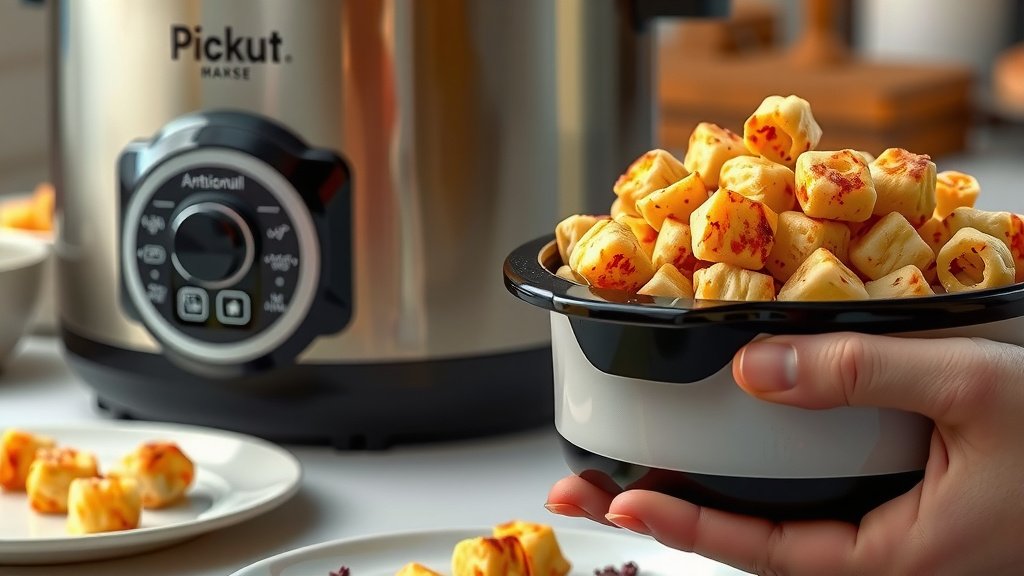
Got a craving for muffins? Your rice cooker can help! Think blueberry, bran, or even savory cheese muffins. Quick breads, like banana bread or zucchini bread, are also excellent candidates. These tend to be moister to begin with, making them forgiving in a rice cooker environment. You’ll find they come out wonderfully tender.
Other Possibilities
Beyond cakes and muffins, some people have success with brownies and even simple bread loaves. The key is to choose recipes that don’t require high heat or a very crispy crust. For bread, a softer, more cake-like loaf works best. You might even try steamed puddings or custards in your rice cooker.
Essential Tips for Rice Cooker Baking Success
While baking in a rice cooker is straightforward, there are a few tricks to ensure your treats turn out perfectly. These tips will help you avoid common pitfalls and achieve delicious results every time. Think of these as your baking cheat sheet!
Preparing Your Rice Cooker Pot
Just like with an oven, you need to prepare your baking vessel. Grease and flour the inside of the rice cooker pot thoroughly. You can also use parchment paper to line the bottom. This is vital to prevent your baked goods from sticking. A well-greased pot is your first step to easy removal.
Recipe Adjustments You Might Need
Not all recipes will translate perfectly without tweaks. Many recipes you find online are already tested for rice cookers. If you’re adapting a regular recipe, you might need to reduce liquids slightly. Baking powder and baking soda amounts may also need minor adjustments. Test a small batch first if you’re unsure.
Baking Times and Checking for Doneness
This is where things can vary. Rice cooker baking times are often longer than oven baking. A cake that takes 30 minutes in an oven might take 45-60 minutes in a rice cooker. Always rely on the toothpick test. Insert a toothpick into the center; if it comes out clean, your treat is done. The ‘cake’ or ‘bake’ setting on your rice cooker is your best friend here.
Cooling and Removing Your Baked Goods
Once baked, let your creation cool in the pot for about 10-15 minutes. This allows it to set properly. Then, carefully invert the pot onto a wire rack. If you greased and floured well, it should slide out with ease. Be patient during this step for the best presentation.
A Quick Guide to Rice Cooker Baking Readiness
Getting started is simpler than you think. Here’s a quick rundown to get your baking journey rolling.
- Ensure your rice cooker has a ‘cake’ or ‘bake’ setting.
- Grease and flour the inner pot well.
- Select a rice cooker-tested recipe or adapt carefully.
- Preheat your rice cooker if the recipe advises.
- Use the toothpick test for doneness.
- Allow for longer baking times than usual.
Conclusion
You’ve learned that baking in your rice cooker is totally doable! It’s a fantastic way to make cakes, muffins, and quick breads without using your oven. The gentle, consistent heat from your rice cooker helps produce moist and evenly baked goods. Remember to grease your pot well and adjust recipes slightly. Now, you’re ready to try your first rice cooker bake. Go ahead and get creative with your appliance!
Frequently Asked Questions
Will baking in a rice cooker affect its ability to cook rice?
No, baking in your rice cooker won’t harm its ability to cook rice. The baking process involves using the pot and the heating element, just like regular cooking. Simply clean the pot thoroughly after baking before you cook rice again. Your rice cooker will be ready for both tasks.
Can I use any rice cooker for baking?
While most rice cookers can technically bake, those with a specific “cake” or “bake” setting are ideal. These settings are designed to maintain the consistent temperature needed for baking. If your rice cooker only has “cook” and “warm” settings, you might need to be more attentive to prevent over-baking.
How do I know if my cake is fully baked in a rice cooker?
The best way to check for doneness is the toothpick test. Insert a clean toothpick or a thin skewer into the center of your baked item. If it comes out clean, with no wet batter clinging to it, your treat is ready. This method works reliably for cakes and muffins.
Why do rice cooker baked goods sometimes have a pale bottom?
Rice cookers primarily heat from the bottom. This means the bottom might cook faster or more intensely than the top. If you notice this, you can try lining the bottom of the pot with a circle of parchment paper after greasing it. This can help create a more even bake.
Is rice cooker baking faster or slower than oven baking?
Generally, baking in a rice cooker takes longer than in a conventional oven. Recipes often require 45 to 60 minutes or even more, compared to the 25 to 35 minutes you might expect in an oven. This is due to the gentler, indirect heat source. Patience is key for delicious results!