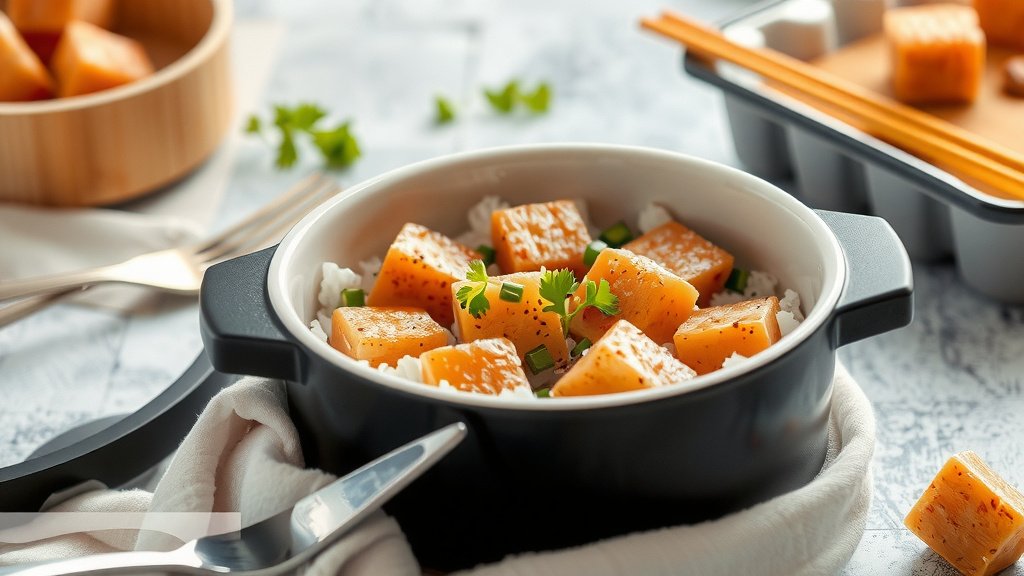
Steam in a Rice Cooker: Yes You Can Cook This Way
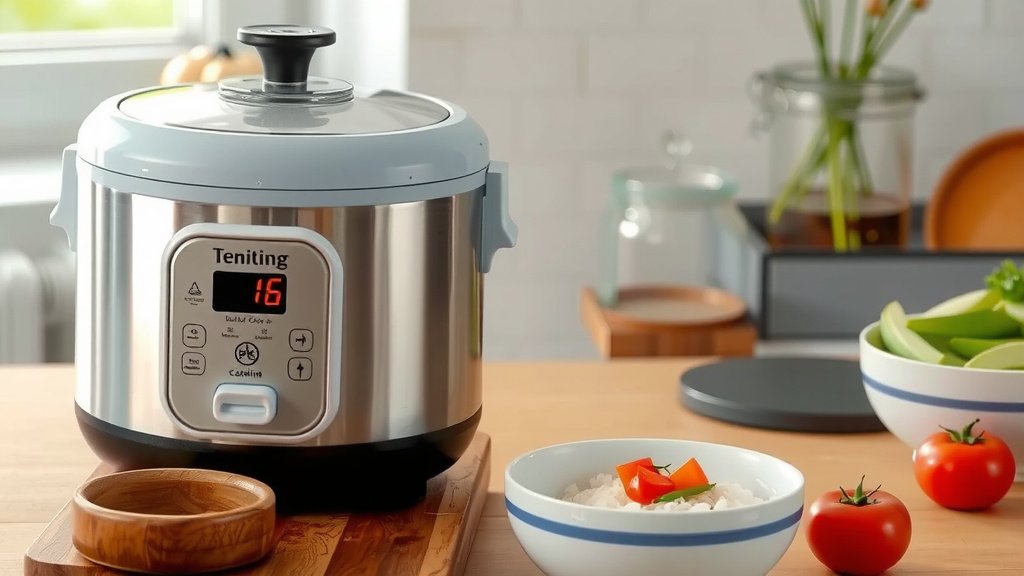
Yes, you absolutely can steam food in a rice cooker! Most modern rice cookers come with a steamer basket, making it a super convenient way to cook vegetables, fish, or even dumplings right alongside your rice. It’s a handy trick for busy cooks.
Think of your rice cooker as a two-in-one kitchen helper. You can cook your rice on the bottom and steam your favorite foods above it. This saves you time and an extra pot on the stove. Many users find this method particularly effective for gentle cooking.
- Rice cookers can definitely steam food.
- They often include a special steamer basket.
- You can cook rice and steam food at once.
- It’s a great way to save time and dishes.
Ready to give it a try? Let’s walk through exactly how to get your rice cooker steaming, step by step.
Steaming Food Using Your Rice Cooker: A Simple Guide
You bet! Steaming food in your rice cooker is not just possible, it’s a fantastic method. Most modern rice cookers have a special basket designed for this. It’s a clever way to maximize your kitchen appliance. You get to cook rice and steam other dishes at the same time. This saves you precious counter space and cleanup time. We’ve found it’s a truly Learn more about using a steam cooker for healthy meals.efficient way to prepare meals.
How to Steam in Your Rice Cooker: The Basics
The magic of steaming in a rice cooker comes down to its design. It boils water, creating steam. This steam then cooks your food in the basket above. It’s a gentle cooking method that preserves nutrients. Many cooks love it for its simplicity and health benefits.
What You’ll Need
Gathering your tools is the first step. You’ll need your rice cooker, of course. Make sure it has its steamer basket. If you can’t find it, many manufacturers sell replacements. You’ll also need the food you want to steam. And of course, some water for the cooker!
Adding Water and Rice (If Applicable)
First, decide if you’re cooking rice simultaneously. If so, add your rice and the correct amount of water to the inner pot. Follow your rice cooker’s instructions for the perfect rice. If you’re only steaming, you’ll still need water in the bottom.
Water Level for Steaming Only
If you’re just steaming food and not cooking rice, you still need water. Fill the inner pot with about 1-2 cups of water. The water level should be low enough that it won’t touch the bottom of the steamer basket. This ensures the steam can circulate freely. Too much water can make your food soggy. We found about an inch of water is usually sufficient.
Water Level When Cooking Rice
When you’re cooking rice and steaming at the same time, the rice-to-water ratio is key. Add your rice and water to the inner pot as you normally would. The water level for the rice will take care of the steam generation. Just make sure the water is at the right level for the rice itself.
Preparing Your Steamer Basket
Now it’s time to prep your food for the basket. Wash and chop your vegetables or prepare your protein. Make sure pieces are relatively uniform in size. This helps them cook evenly. Don’t overcrowd the basket; give your food some breathing room. This allows the steam to reach all surfaces. Overcrowding can lead to unevenly cooked food.
Using the Steamer Basket Correctly
Place your prepared food into the steamer basket. Then, carefully place the basket into the rice cooker pot. Ensure it sits securely above the water or rice. The bottom of the basket should not be submerged in water. It needs to allow steam to rise and cook the food. This is where the magic happens!
Selecting the Right Setting
Most rice cookers have a “Steam” setting. If yours doesn’t, the “White Rice” or “Cook” setting often works just fine. The cooker will heat the water, creating steam. It will then cook your food until the cycle is complete or the cooker switches to “Keep Warm.” Some advanced models have dedicated steam cycles that last for a specific duration. Check your rice cooker’s manual if you’re unsure.
What Foods Can You Steam?
The possibilities are quite broad! Your rice cooker isn’t just for rice and a few veggies. You can steam a variety of items. Think of it as a compact steamer, perfect for smaller portions or side dishes. It’s a versatile tool.
Vegetables
Almost any vegetable steams beautifully in a rice cooker. Broccoli, carrots, asparagus, green beans, and bell peppers are excellent choices. Potatoes and sweet potatoes can also be steamed, though they might take a bit longer. Cut them into bite-sized pieces for faster cooking. Many guidelines suggest steaming vegetables until they are tender-crisp, retaining their vibrant color and nutrients (USDA).
Fish and Seafood
Delicate fish fillets, shrimp, and scallops steam wonderfully. They cook quickly and stay moist. Place your fish or seafood in the steamer basket. You can season it with herbs, lemon slices, or a splash of soy sauce. It’s a healthy and delicious way to prepare seafood. We found fish typically takes about 10-15 minutes to cook through.
Dumplings and Bao Buns
Yes, you can even steam frozen or fresh dumplings and bao buns! Arrange them in the basket, making sure they don’t touch each other. They’ll come out perfectly steamed and ready to eat. This is a convenient shortcut for a quick appetizer or meal. Just follow the package instructions for steaming time.
Tips for Perfect Steaming Every Time
A few simple tricks can make your steaming experience even better. These little adjustments ensure your food is cooked just right. They help prevent common steaming pitfalls. We’ve gathered some of the best advice to help you succeed.
Don’t Overcrowd the Basket
This is a common mistake. Overcrowding prevents steam from circulating. This leads to uneven cooking. Some parts might be mushy while others are undercooked. Give your food space. If you have a lot to steam, you might need to do it in batches. This is a crucial step for success.
Cut Food Uniformly
Consistency in size matters. Smaller, uniform pieces cook faster and more evenly. This is especially true for root vegetables like carrots or potatoes. Aim for pieces that are roughly the same thickness. This ensures everything finishes cooking at the same time. It’s a small detail that makes a big difference.
Consider Cooking Times
Different foods have different cooking times. Harder vegetables like potatoes or dense squash need more time. Softer vegetables like spinach or asparagus cook very quickly. Fish and seafood are also fast. You might need to add ingredients in stages. Start with the items that take the longest. Add quicker-cooking items later in the cycle. This prevents overcooking delicate foods.
Flavor Boosts
Want to add extra flavor? You can add aromatics to the water. Think garlic cloves, ginger slices, or a bay leaf. You can also marinate your food before steaming. A splash of soy sauce, a sprinkle of herbs, or a drizzle of lemon juice in the basket adds a nice touch. Research shows that steaming helps retain more vitamins compared to boiling (NIH). Adding flavor is a great way to enhance these healthy meals.
When to Use Your Rice Cooker for Steaming
Your rice cooker steamer is perfect for many situations. It’s a lifesaver on busy weeknights. It’s also great for meal prep. Think of it as your secret weapon for healthy eating.
Here’s a quick checklist to help you decide when to steam:
- When you need a quick side dish.
- When you want to cook rice and a protein at the same time.
- When you’re aiming for a healthy, low-fat meal.
- When you want to save on cleanup by using fewer pots.
- When you have a small amount of food to prepare.
- When you want to gently cook delicate ingredients.
It’s a simple, effective technique. You’ll be amazed at how much you can do with this appliance. It truly expands your cooking capabilities.
Conclusion
You’ve learned that steaming in your rice cooker is a simple and effective technique. It’s a fantastic way to prepare healthy meals quickly. You can steam vegetables, fish, dumplings, and more. Plus, it allows you to cook rice and steam food simultaneously. This saves you time and reduces cleanup. So, don’t let your rice cooker gather dust! Gather your steamer basket and give steaming a try for your next meal.
Frequently Asked Questions
Can I steam food in my rice cooker if it doesn’t have a steamer basket?
While most modern rice cookers include a steamer basket, some older or very basic models might not. If yours is missing, you can often purchase a universal replacement basket online or from kitchen supply stores. Alternatively, you can try using a heat-safe colander that fits snugly inside your rice cooker pot, ensuring it doesn’t touch the water.
How much water should I use if I’m only steaming and not cooking rice?
If you’re only steaming food, you’ll need about 1 to 2 cups of water in the bottom of the inner pot. The goal is to have enough water to create steam for the entire cooking cycle without the water level reaching the bottom of your steamer basket. We found that an inch of water is typically sufficient.
Will steaming in a rice cooker make my food mushy?
Mushy food is usually a result of overcrowding the steamer basket or using too much water. Ensure your food has space for steam to circulate freely. Also, make sure the water level is below the basket. Cutting food into uniform pieces also helps prevent uneven cooking and sogginess.
How do I know when the steamed food is ready?
Cooking times will vary based on the type and size of your food. For vegetables, aim for tender-crisp. Fish and seafood cook quickly, usually in 10-15 minutes. Dumplings typically follow package instructions. You can check for doneness by gently piercing the food with a fork. If it’s tender and cooked through, it’s ready!
Can I add flavorings to the water when steaming in a rice cooker?
Absolutely! Adding aromatics like sliced ginger, garlic cloves, or a bay leaf to the water can infuse your steamed food with subtle flavors. You can also add a splash of soy sauce or a bit of lemon juice to the steamer basket itself for extra taste. Research suggests this method helps retain nutrients compared to boiling.