How to Preheat Your Cooker Oven Quickly and Easily
Preheating your oven is a simple step that makes a big difference in your cooking. You just need to turn it on to your desired temperature and wait. Most ovens have an indicator light or sound that lets you know they’re ready. Getting this right ensures your recipes cook evenly and taste their best.
Many home cooks skip this crucial step, but it’s essential for baking and roasting. An oven that isn’t fully preheated can lead to doughy centers or uneven browning. We found that taking just a few extra minutes to preheat properly makes your dishes far more successful. It’s a key to consistent, delicious results every time.
- Turn your oven on to the recipe’s temperature.
- Wait for the oven to reach that temperature.
- Look for a light or sound to signal readiness.
- Preheating helps food cook evenly and thoroughly.
- Don’t skip this step for best cooking results.
Ready to make sure your oven is perfectly warm before you start cooking? Let’s walk through exactly how to preheat your oven step by step.
Getting Your Oven to the Right Temperature
Preheating your oven might seem like a small detail, but it’s a big deal for your cooking success. We found that this simple step ensures your food cooks evenly and develops that perfect golden-brown finish. It’s like giving your oven a warm-up lap before a big race.
Why Preheating Matters So Much
Think about baking cookies. If you put them into a cold oven, they’ll start to spread out slowly. This can result in flat, greasy cookies instead of the chewy delights you were hoping for. When the oven is already hot, the cookies set quickly. This traps the air inside, leading to a better texture.
The same goes for roasting vegetables or meats. A properly preheated oven creates a crisp exterior right away. This helps lock in moisture and juices. Many chefs and baking professionals agree that preheating is non-negotiable for professional-quality results at home (King Arthur Baking Company).
How Long Does Preheating Actually Take?
The time it takes for your oven to preheat can vary. Most conventional ovens need about 10 to 15 minutes to reach their set temperature. However, some ovens, especially larger or older models, might take a bit longer. Convection ovens can sometimes preheat faster because their fans help circulate the hot air.
We’ve found that it’s always best to check your oven’s manual for specific preheating times. Your oven might also have a built-in indicator to tell you when it’s ready. This could be a light that turns off or an audible chime. Don’t rely solely on the timer; always look for the readiness signal.
Step-by-Step Guide to Preheating
Following these steps will help you preheat your oven correctly every single time. It’s a straightforward process that pays off in your cooking.
1. Consult Your Recipe
First things first, take a look at your recipe. It will tell you the exact temperature you need. Recipes are your best guide here. They are usually tested at specific temperatures for optimal results.
2. Turn On Your Oven
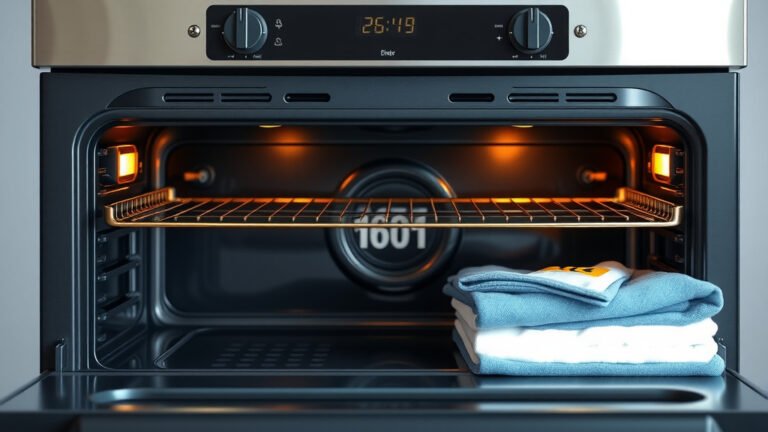
Locate the temperature dial or digital display on your oven. Set it to the temperature specified in your recipe. You might hear the oven start to heat up. There might also be a light that illuminates, indicating it’s working.
Understanding Oven Controls
Modern ovens have different ways to set the temperature. Some have a simple knob you turn. Others use digital buttons and an LED screen. Regardless of the type, the goal is the same: to set and maintain a consistent heat level.
3. Wait for the Signal
This is the most important waiting period. Resist the urge to open the oven door too often. Each time you do, you let out a significant amount of heat. This can add extra minutes to your preheating time. Most ovens have an indicator, either a light or a sound, that lets you know when the target temperature has been reached.
What if My Oven Doesn’t Have an Indicator?
If your oven doesn’t have a clear signal, it’s a good idea to get an oven thermometer. These are inexpensive and sit inside your oven. They give you a precise reading of the actual temperature. After setting your oven, wait about 15 minutes. Then, you can check the thermometer. If it’s not quite there, give it a few more minutes.
4. Place Your Food Inside
Once your oven has reached the correct temperature and signaled it’s ready, you can carefully place your food inside. Use oven mitts for safety. Slide your baking sheet, roasting pan, or casserole dish onto the oven rack. Often, recipes will specify which rack to use, typically the middle one for even heat distribution.
Preheating Specific Oven Types
While the basic principle is the same, there are slight differences between oven types.
Conventional Ovens
These are the most common. They heat using elements at the top and bottom. Heat is distributed by natural convection. As mentioned, they usually take 10-15 minutes to preheat.
Convection Ovens
Convection ovens have a fan. This fan circulates hot air throughout the oven cavity. This makes them heat up faster and cook food more evenly. Many experts suggest reducing the recipe temperature by 25°F when using a convection oven. We found this tip is excellent for preventing over-browning.
When to Use Convection Mode
Convection is great for roasting meats and vegetables. It also helps achieve a crispier crust on baked goods. Some recipes might specifically call for convection. Others allow you to choose. If unsure, start with a lower temperature and check your food often.
A Quick Preheating Checklist
Here’s a simple way to remember the steps:
- Read your recipe for the correct temperature.
- Turn the oven dial or set the digital controls.
- Wait for the oven’s ready signal (light or sound).
- Use an oven thermometer for accuracy if needed.
- Carefully place your food on the correct rack.
- Close the oven door promptly.
Oven Temperature Accuracy Tips
Even with preheating, oven temperatures can sometimes be off. This is more common in older ovens. An oven thermometer is a reliable tool for verifying accuracy.
According to the Food and Drug Administration (FDA), oven temperature variations can affect cooking times and results. They recommend checking your oven’s temperature periodically. If your oven consistently runs hot or cold, you might need to adjust your cooking temperature manually. For instance, if it’s 25°F too cold, you’d set it 25°F higher than the recipe calls for.
We also found that opening the oven door too frequently can cause temperature drops. A good rule of thumb is to only open it when necessary, like to check on your food or stir ingredients. For most dishes, checking after at least two-thirds of the estimated cooking time has passed is a good starting point.
Conclusion
You’ve learned that preheating your oven is a simple yet essential step for achieving delicious, evenly cooked food. From ensuring cookies set perfectly to achieving a crisp sear on your roasts, taking a few extra minutes to let your oven reach the correct temperature makes a world of difference. Whether you have a conventional or convection model, understanding its signals or using a thermometer ensures you’re always cooking at the right heat. Your next culinary success is just a preheated oven away!
Frequently Asked Questions
How do I know if my oven is actually preheated?
Most ovens have an indicator light that turns off or an audible chime to let you know. If yours doesn’t, we recommend using an inexpensive oven thermometer to check the actual temperature inside.
Can I put my food in the oven while it’s preheating?
No, you should always wait until your oven has reached the recipe’s specified temperature. Putting food in too early will result in uneven cooking and less-than-ideal textures.
How long should I wait to preheat my oven?
Typically, it takes about 10 to 15 minutes for a conventional oven to preheat. Convection ovens might heat up a bit faster due to their internal fan.
What’s the difference in preheating a convection oven versus a regular oven?
Convection ovens use a fan to circulate hot air, meaning they usually preheat faster and cook more evenly. For convection, many experts suggest reducing the recipe temperature by about 25°F to prevent over-browning.
My recipe doesn’t specify a preheating temperature. What should I do?
Always refer to the recipe first. If it’s missing, look for general guidelines for the type of dish you’re making. For example, cakes often bake around 350°F, while roasts might need 400°F or higher.