Rice Cooker Guide: Does It Cook All Rice the Same
Does a rice cooker cook all rice the same? No, a rice cooker doesn’t cook every type of rice identically. While it simplifies the process, different rice varieties need specific settings and water ratios for perfect results. You’ll find your rice cooker handles brown rice differently than white rice, for instance.
Rice cookers are fantastic for convenience, but they’re not magic wands. They use heat and steam, but the type of rice and its unique starch content dictate the cooking time and water absorption. Understanding these differences ensures you get fluffy grains every time, not a sticky mess or crunchy bits. It’s about working with your rice cooker, not against it.
- Rice cookers simplify cooking but results vary by rice type.
- Different rice grains absorb water and cook at different rates.
- Your rice cooker likely has settings for various rice types.
- Using the right water ratio is key for each kind of rice.
- Expect adjustments for brown, white, and specialty rices.
Let’s dive into how your rice cooker tackles different grains and how you can get the most out of it.
How Rice Cookers Handle Different Types of Rice
So, does a rice cooker cook all rice the same? The short answer is no. Your rice cooker is a smart appliance, but it can’t read your mind. Different grains have different needs. Think of it like cooking pasta versus baking bread; they both use heat, but the process is very different. Your rice cooker uses heat and steam, but the starch content and grain structure of each rice type dictate how much water it needs and how long it should cook. We found that even within the same brand, different rice cooker models might have preset functions for various grains.
Understanding Rice Varieties
The world of rice is vast and delicious! We’ve got long-grain, medium-grain, and short-grain rice. Then there’s brown rice, white rice, Arborio, basmati, jasmine, wild rice, and even sticky rice. Each has a unique texture and flavor profile. This uniqueness affects how they cook in your rice cooker.
White Rice vs. Brown Rice
Let’s start with the most common comparison: white rice and brown rice. White rice has its outer bran and germ layers removed. This means it cooks faster and absorbs water more readily. Brown rice, on the other hand, retains these layers, making it tougher and requiring more water and a longer cooking time. Your rice cooker’s standard setting is often designed for white rice. Cooking brown rice on this setting usually results in undercooked, hard grains. We found that many users struggle with brown rice consistency until they learn the specific requirements. Research shows that brown rice contains more fiber and nutrients because of these intact layers (USDA FoodData Central).
Specialty Rices and Their Quirks
What about those fancier rice varieties? Jasmine and basmati rice are long-grain, aromatic types that cook up fluffy and separate. They generally cook similarly to standard white rice but sometimes benefit from a little less water for optimal texture. Arborio rice, used for risotto, is a short-grain rice with a high starch content. It needs more water and a gentle simmer to release its creamy starch. Many experts suggest cooking Arborio rice on the stovetop for a creamy risotto, but some high-end rice cookers have a ‘risotto’ setting that can mimic this (National Grain and Feed Association).
How Your Rice Cooker Adapts
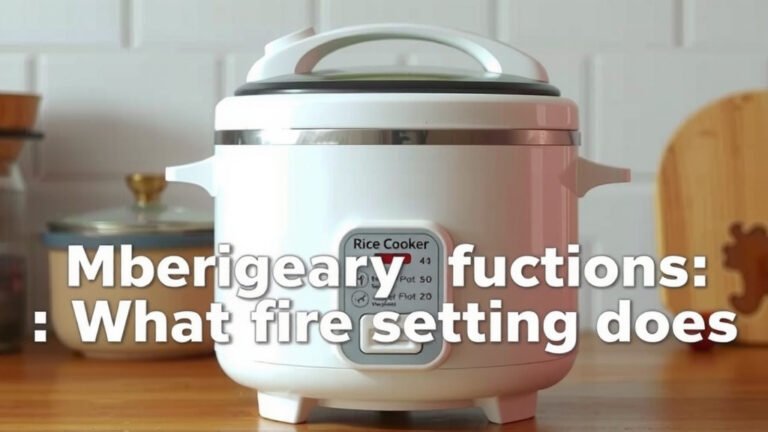
Modern rice cookers are often equipped with smart technology to handle these differences. They aren’t just simple heating pots anymore. Many have multiple settings that automatically adjust cooking time and temperature.
Preset Cooking Modes
You’ll likely see buttons for “White Rice,” “Brown Rice,” “Sushi Rice,” and sometimes even “Quick Cook” or “Porridge.” These modes are programmed with specific water-to-rice ratios and cooking cycles based on extensive testing. Using the correct setting is the easiest way to ensure good results. We found that users who consistently use the wrong setting are often the most frustrated.
Fuzzy Logic and Induction Heating
Some advanced rice cookers use “fuzzy logic” microprocessors. These cookers constantly monitor temperature and adjust the cooking process in real-time. Induction heating (IH) rice cookers heat the entire inner pot evenly, providing more precise temperature control. These sophisticated models can often achieve near-perfect results for a wider range of rice types, even without explicit settings for every single grain. Advanced models with fuzzy logic can often compensate for slight variations in rice types.
The Importance of Water Ratios
No matter how smart your rice cooker is, the water ratio is king. Even with a “perfect” setting, using too much or too little water will throw off the results. It’s like trying to bake a cake with half the flour – it just won’t turn out right.
General Water-to-Rice Guidelines
For standard white rice, a common starting point is a 1:1.5 or 1:2 ratio of rice to water. That means for every cup of dry rice, you’ll use one and a half or two cups of water. Always check your rice cooker’s manual, as it will provide specific recommendations for its models. We found that sticking to the manufacturer’s guide is usually the best first step.
Adjusting for Different Rice Types
Brown rice, as we discussed, needs more water. A ratio of 1:2.5 or even 1:3 is often recommended. Specialty rices might have their own needs. For example, some recipes call for rinsing rice before cooking. This removes excess surface starch, which can make white rice clump less. However, rinsing brown rice is generally not recommended, as it can wash away some of the nutrients. The National Institutes of Health suggests that rinsing can reduce arsenic levels in rice, but this is more for health concerns than texture (NIH).
Tips for Getting the Water Ratio Right
- Always measure your rice and water accurately. Use the measuring cup that came with your cooker or a standard measuring cup.
- Refer to your rice cooker’s manual for specific water ratios.
- When in doubt, start with the manufacturer’s recommendation.
- Observe the results and make small adjustments for future batches. Did your rice come out a bit dry? Add a tablespoon more water next time. Too wet? Use a tablespoon less.
Common Rice Cooking Pitfalls and Solutions
Even with the best intentions and a great rice cooker, things can sometimes go awry. Don’t worry; these are common issues with easy fixes.
Mushy or Gummy Rice
This usually happens when there’s too much water or when the wrong setting is used for the type of rice. For white rice, using the “Quick Cook” setting too often can sometimes lead to this. If it happens, try reducing the water amount slightly for your next batch. For sticky rice or Arborio rice, a bit of gumminess is expected and desired!
Crunchy or Undercooked Rice
The opposite problem! This typically means not enough water was used, or the cooking time was too short. Brown rice is the most common culprit here if cooked on a white rice setting. Double-check your water ratio and ensure you’re using the correct cooking mode for your grain. Allowing the rice to rest after cooking can also help steam finish the job.
Rice Sticking to the Pot
A little bit of sticking is normal, especially with certain rice types or if the pot is older. Most modern rice cooker pots have non-stick coatings. A light coating of oil or butter on the inner pot before adding rice can help prevent excessive sticking. Ensure you’re not scorching the rice by using the correct settings.
Your Rice Cooker Checklist for Success
- Know Your Rice: Identify the type of rice you’re cooking.
- Read the Manual: Your rice cooker’s guide is your best friend.
- Measure Accurately: Use proper measuring cups for rice and water.
- Select the Right Setting: Match the cooker’s mode to your rice type.
- Rinse When Appropriate: Follow guidelines for rinsing certain grains.
- Rest Your Rice: Let it sit for 10-15 minutes after cooking.
Conclusion
So, does a rice cooker cook all rice the same? You now know the answer is a clear no. Your rice cooker is a fantastic tool, but it works best when you help it out. Different rice types need different approaches to water and cooking times. By understanding your rice and using the right settings and water ratios, you can avoid common pitfalls like mushy or crunchy grains. For your next meal, take a moment to identify your rice type and consult your cooker’s manual. You’ll be on your way to perfectly cooked rice every time.
Frequently Asked Questions
Can I just use the standard white rice setting for all rice types?
While convenient, using the standard white rice setting for other grains is not ideal. Brown rice, for instance, requires more water and a longer cook time. Specialty rices may also have unique needs that the standard setting won’t meet, potentially leading to undercooked or gummy results.
How do I know the correct water ratio for different rices?
Always start with your rice cooker’s manual for recommended water ratios. Generally, brown rice needs more water than white rice, often around 1:2.5 or 1:3. Observing your results and making small adjustments for future batches is also a good practice.
My rice cooker has a “Quick Cook” setting. Is this good for all rice?
The “Quick Cook” setting is designed for speed and typically works best with white rice. Using it for denser grains like brown rice can result in undercooked, crunchy kernels. It’s best to stick to the dedicated settings for specific rice types when available.
Does rinsing rice affect how my rice cooker cooks it?
Yes, rinsing rice can affect the outcome. For white rice, rinsing removes excess starch, which helps prevent clumping and promotes fluffier grains. Brown rice generally doesn’t need rinsing, as it can strip away some nutrients. Always check specific recommendations for your rice type.
What if my rice cooker doesn’t have specific settings for every type of rice?
If your cooker lacks specific modes, rely on the general guidelines in your manual and general cooking knowledge. For example, use a higher water ratio and longer cook time for brown rice compared to white rice. Advanced models with fuzzy logic or induction heating can often compensate for slight variations.