Pressure Cooker vs Bacteria: What You Need to Know
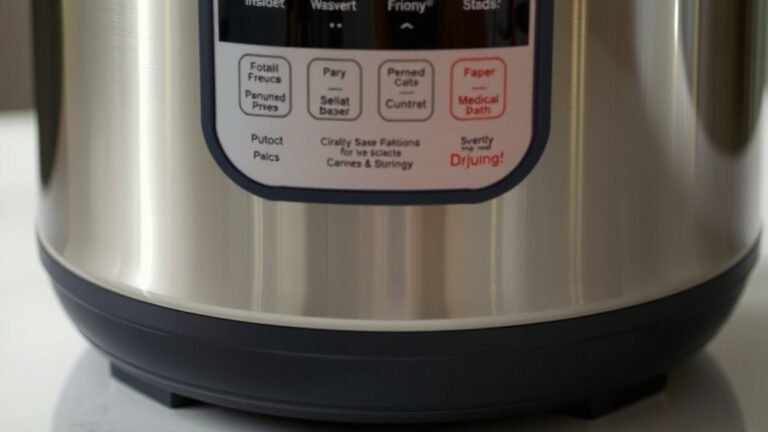
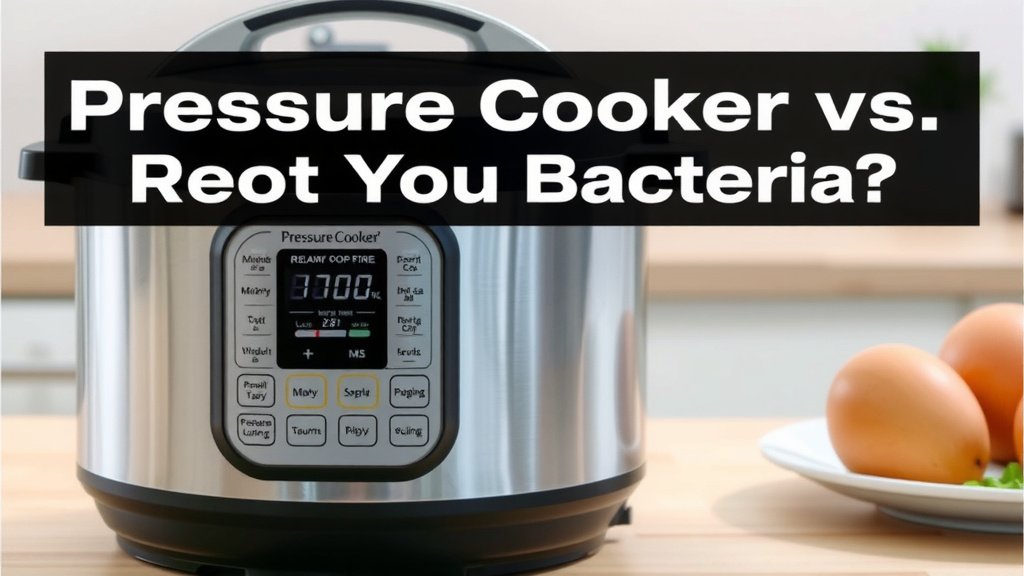
Yes, a pressure cooker absolutely kills bacteria and other harmful microorganisms. The high temperatures and intense steam pressure create an environment that is lethal to most pathogens, making your food much safer to eat. This is why pressure cookers are such a reliable tool for food safety.
When you cook with a pressure cooker, you’re essentially creating a super-heated steam bath. This intense heat, combined with the pressure, cooks food incredibly fast and effectively. It’s a great way to ensure your meals are not only delicious but also thoroughly sanitized, especially when dealing with ingredients that need extra care.
- Pressure cookers use high heat and steam.
- This combination effectively kills bacteria.
- It’s a reliable method for food safety.
- Pressure cooking also cooks food quickly.
Let’s break down exactly how that super-heated steam works its magic to keep your food safe and sound.
How High Heat in Pressure Cookers Eliminates Germs
You’re probably wondering if that trusty pressure cooker in your kitchen is a secret weapon against bacteria. The short answer is a resounding yes! Pressure cookers excel at creating an environment that’s deadly for most harmful microbes.
It all comes down to the incredible temperatures your pressure cooker can reach. When you lock the lid and bring it up to pressure, you’re trapping steam. This steam can get much hotter than boiling water. That superheated steam is your primary defense against unwanted guests in your food.
The Science Behind the Steam
So, how does this work, really? Think of it like a super-powered steam bath for your food. Regular cooking might get food hot, but not hot enough to reliably kill everything. Pressure cooking takes it to another level entirely.
The magic happens because water boils at 212°F (100°C) at sea level. But when you increase the pressure, that boiling point goes up. In a typical pressure cooker, the temperature can reach around 250°F (121°C). That extra heat is a big deal for killing germs.
Temperature vs. Time
Many cooking methods rely on a combination of heat and time to kill bacteria. You might simmer something for a while to ensure it’s safe. Pressure cooking is different. It uses higher temperatures to achieve the same or even better results much faster.
This means that even if your cooking time is shorter, the intense heat is doing the heavy lifting. For many common foodborne pathogens, exposure to these high temperatures for even a short time is enough to inactivate them. It’s a This means that even if your cooking time is shorter, the intense heat is doing the heavy lifting to kill germs.powerful way to ensure safety.
Pressure’s Role in Sterilization
While temperature is the star of the show, the pressure itself plays a supporting role. The increased pressure helps to push the superheated steam into every nook and cranny of your food. It’s like a determined little messenger, making sure the heat gets everywhere it needs to.
This pressure also helps to cook food more evenly and efficiently. When everything is exposed to that intense heat uniformly, you reduce the chances of cold spots where bacteria might survive. It’s a comprehensive sanitizing process.
What Kinds of Microbes Does Pressure Cooking Destroy?
You’re probably curious about which specific nasty bugs your pressure cooker can tackle. The good news is that it’s effective against a wide range of common threats.
Common Bacteria and Spores
Many everyday bacteria that can cause food poisoning, like E. coli and Salmonella, don’t stand a chance. The high heat easily destroys their cellular structures. Even some more resilient bacteria, like those that form spores (such as Clostridium botulinum, which causes botulism), are particularly vulnerable under pressure.
Spores are the tough survival capsules that some bacteria create to withstand harsh conditions. Think of them like tiny, armored seeds. However, many scientific studies have found that the temperatures and pressures reached in home pressure cookers are sufficient to kill these spores. This is why pressure cooking is so important for canning and preserving food safely.
Viruses and Other Pathogens
While bacteria are the primary concern, pressure cooking also helps with viruses. Heat is a very effective way to inactivate viruses. So, if you’re worried about viral contamination, your pressure cooker is helping to neutralize those threats too.
Other types of pathogens, like yeasts and molds, are also generally destroyed by the intense heat. This makes pressure cooking a versatile tool for food safety, going beyond just bacteria.
Comparing Pressure Cooking to Other Methods
How does pressure cooking stack up against your other kitchen gadgets when it comes to killing germs? Let’s take a look.
Boiling vs. Pressure Cooking
Boiling water at 212°F (100°C) can kill many bacteria over time, but it’s not always foolproof, especially for heat-resistant spores. You need to boil for a sustained period. Pressure cooking, however, reaches higher temperatures (around 250°F or 121°C) much more quickly.
This means pressure cooking is generally more efficient and reliable for sterilization. A study published in the Journal of Food Protection highlighted how pressure cooking significantly reduces microbial load compared to boiling methods.
Oven Baking and Frying
Oven temperatures and frying oil temperatures can also get quite high, often exceeding 300°F (150°C). These methods are also effective at killing bacteria. However, they might not penetrate food as uniformly as steam under pressure.
For instance, a whole chicken baked in the oven needs to reach a safe internal temperature throughout. Sometimes the outer parts can get very hot while the inner parts lag behind. Pressure cooking’s moist heat and steam penetration can ensure more even heat distribution, leading to consistent safety.
| Cooking Method | Typical Temperature Range | Effectiveness Against Bacteria & Spores | Speed & Efficiency |
|---|---|---|---|
| Pressure Cooking | ~250°F (121°C) | Very High (kills spores) | Fast |
| Boiling | 212°F (100°C) | Moderate (less effective on spores) | Slow to Moderate |
| Oven Baking | 300-400°F (150-200°C) | High (depends on internal temp) | Moderate |
| Frying | 350-375°F (175-190°C) | High (depends on internal temp) | Fast |
Microwaving
Microwaves heat food by causing water molecules to vibrate. They can be effective at killing bacteria, but their effectiveness can vary. It depends heavily on the food’s density, water content, and the microwave’s power.
Uneven heating is a common issue with microwaves. You might find hot spots and cooler spots. This is why stirring or rotating food is often recommended. Pressure cooking’s sealed environment and steam distribution tend to provide more consistent and reliable sterilization across the entire dish.
Key Takeaways for a Safer Kitchen
When you’re cooking, especially with ingredients that require careful handling, your pressure cooker is a fantastic ally. It’s not just about saving time; it’s about making your food safer to eat.
Remember these points:
- The high temperatures in a pressure cooker are lethal to most bacteria and viruses.
- The added pressure helps ensure that superheated steam penetrates your food effectively.
- This makes it a more efficient and reliable method than basic boiling for killing even tough bacterial spores.
- It complements other cooking methods by providing consistent heat and sanitization.
- Using your pressure cooker properly contributes to overall food safety in your home.
Conclusion
You’ve learned that your pressure cooker is a powerful tool for food safety. It uses high temperatures and steam pressure to effectively destroy bacteria, spores, and viruses. This makes it a more reliable and faster option than many other cooking methods for ensuring your meals are safe. By using your pressure cooker correctly, you’re significantly reducing the risk of foodborne illness in your home. So, next time you’re ready to cook, trust your pressure cooker to deliver both deliciousness and peace of mind.
Frequently Asked Questions
Can a pressure cooker kill *all* bacteria?
Pressure cooking is highly effective at killing most common bacteria and even tough spores, thanks to its high temperatures. While it’s not technically guaranteed to kill *every single* microbe in every circumstance, it destroys the vast majority that pose a health risk. Research shows it’s one of the most effective home cooking methods for sterilization.
Do I need to pressure cook for a long time to kill bacteria?
No, you don’t. The magic of pressure cooking is that its high temperatures (around 250°F or 121°C) kill bacteria much faster than regular boiling. Even shorter cooking times under pressure are sufficient to inactivate harmful microorganisms because the heat is so intense and penetrating.
Is pressure cooking safer than just boiling water?
Yes, in most cases, pressure cooking is safer than simply boiling water. Boiling water reaches 212°F (100°C), which kills many bacteria but struggles with hardy spores. Pressure cooking achieves temperatures well above boiling, making it far more effective at eliminating even those resilient microbes.
Does the pressure itself kill bacteria, or is it just the heat?
It’s primarily the high heat generated by the steam under pressure that kills bacteria. The increased pressure allows the steam to reach temperatures much higher than boiling point, and this superheated steam is what inactivates the microbes. The pressure also helps ensure the steam penetrates food thoroughly.
Is pressure cooking good for making baby food safe?
Absolutely. Pressure cooking is an excellent method for preparing baby food because it ensures a very high level of sanitation. You can cook ingredients like meats, vegetables, and grains thoroughly, effectively killing any harmful bacteria or pathogens that might be present, giving you extra peace of mind for your little one.