Does Slow Cooking Destroy Nutrients? Your Guide
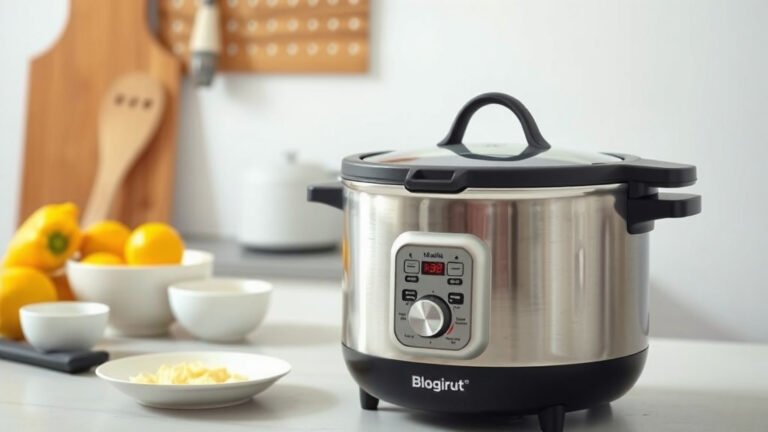
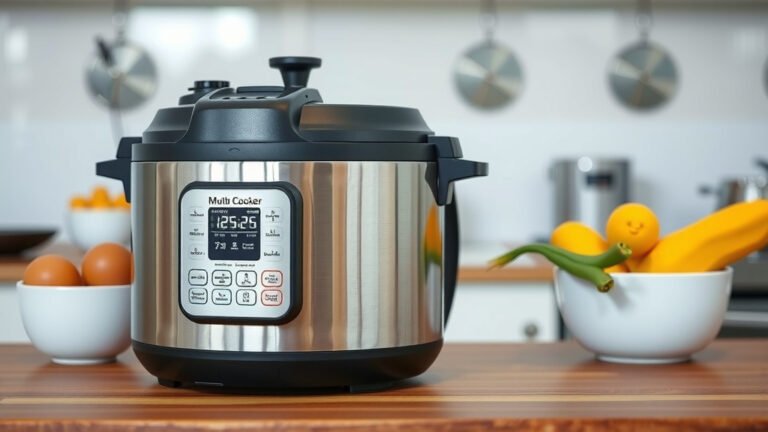
Good news for slow cooker fans! Generally, slow cooking does not destroy nutrients more than other cooking methods. In fact, it can be one of the most Understanding how a slow cooker works helps explain why it preserves nutrients.nutrient-preserving ways to prepare your meals, especially for certain vitamins. Your healthy dinner is safe!
While heat can affect nutrient levels, slow cookers operate at low temperatures for extended periods. This gentler approach helps retain more vitamins, particularly water-soluble ones like B vitamins. Many experts agree that the cooking liquid in slow cookers often captures nutrients, which you then consume. It’s a win-win for flavor and nutrition.
- Slow cooking is generally good for nutrients.
- It can preserve vitamins better than some methods.
- Low temperatures help keep nutrients intact.
- Don’t forget to consume the cooking liquid!
Ready to get the most out of your slow cooker meals? Let’s dive into the details about how your favorite kitchen appliance impacts the nutrition in your food.
You love your slow cooker. It makes dinner prep so easy! You just toss in ingredients, set it, and forget it. But a nagging question might pop into your head: “Am I losing important nutrients by cooking my food this way?” It’s a fair concern. We all want to get the most nutritional bang for our buck with our meals.
Nutrient Preservation in Slow Cooking
The good news is, generally, slow cooking does not destroy nutrients. In fact, it can be quite good at preserving them. Research suggests that slow cooking often retains more vitamins than other cooking methods. This is especially true for certain types of vitamins that are sensitive to heat.
How Heat Affects Nutrients
Cooking, no matter the method, involves heat. Heat can break down some nutrients, particularly vitamins. Water-soluble vitamins, like those in the B complex family and vitamin C, are especially prone to leaching out into cooking liquids or being degraded by high heat. Fat-soluble vitamins (A, D, E, K) are generally more stable.
The Gentle Approach of Slow Cooking
Slow cookers work by using low temperatures over a longer period. Think of it like a gentle simmer rather than a vigorous boil. This lower heat is kinder to delicate nutrients. It helps them stay intact within your food. This gentler cooking process means less nutrient loss compared to methods like frying or even boiling for a short time.
Water-Soluble Vitamins and Slow Cooking
Many experts point out that water-soluble vitamins can be a challenge. When you boil vegetables in a lot of water, a good portion of these vitamins can end up in the water. You might pour that nutrient-rich water down the drain. Slow cookers often use less liquid, and whatever liquid is present usually stays in the pot. This is a big win for retaining these important vitamins.
The Role of Cooking Liquid
One of the biggest advantages of slow cooking for nutrient retention is the cooking liquid. Since most of the liquid stays in the pot, any water-soluble vitamins that do leach out are captured in the sauce, broth, or gravy. When you serve your meal, you are consuming that liquid along with the solids. This means you get to enjoy the nutrients that might otherwise be lost.
Don’t Discard That Delicious Juice!
So, when you make a stew or a pot roast, make sure you’re serving it with all its flavorful juices. That liquid is packed with flavor and nutrients. It’s like a bonus serving of goodness! Many recipes are designed to be served with their cooking liquid for this very reason.
Comparing Slow Cooking to Other Methods
How does slow cooking stack up against other popular cooking methods when it comes to nutrient content? Let’s take a quick look. We want to give you the full picture so you can make informed choices about your meals.
Boiling vs. Slow Cooking
Boiling often uses a lot of water and higher temperatures for shorter periods. This method can lead to significant loss of water-soluble vitamins. Studies show that boiling can deplete these vitamins more than slow cooking (NCBI). Slow cooking, with its lower temperatures and contained liquid, generally fares better.
Steaming vs. Slow Cooking
Steaming is another excellent method for preserving nutrients. It uses less water than boiling and cooks food quickly. However, for certain dishes like tough cuts of meat or dried beans, steaming isn’t always practical. Slow cooking offers a hands-off approach that steaming can’t always match, while still doing a good job of keeping nutrients.
Roasting and Baking vs. Slow Cooking
Roasting and baking expose food to dry heat, which can cause some nutrient loss, especially with longer cooking times. Vitamin C can be particularly sensitive to these dry, high-heat conditions. Slow cooking’s moist, low-heat environment is often gentler on vitamins than high-heat roasting.
Microwaving vs. Slow Cooking
Microwaving is known for its speed and efficiency. Because it cooks food quickly, it can preserve certain nutrients well, especially when minimal water is used. Some research suggests microwaving might even be superior for retaining specific nutrients like flavonoids in vegetables. However, for large cuts of meat or dishes requiring long, slow tenderizing, microwaving isn’t the right tool.
Factors That Can Influence Nutrient Retention
While slow cooking is generally nutrient-friendly, a few factors can play a role. Understanding these can help you maximize the nutritional benefits of your meals. You want every dish to be as healthy as possible!
Cooking Time and Temperature
Even in a slow cooker, excessively long cooking times or temperatures set too high can still degrade some nutrients. It’s important to follow recipe guidelines. Cooking foods like vegetables for too long, even at low heat, can eventually lead to some nutrient loss.
Size of Ingredients
Cutting ingredients into smaller pieces increases their surface area. This can lead to more nutrient loss as more of the food is exposed to heat and liquid. Leaving larger chunks or whole ingredients where appropriate can help retain more nutrients.
Type of Food
Different foods have different nutrient profiles and sensitivities. Lean meats, for example, might lose some B vitamins. Vegetables might lose some of their vitamin C and B vitamins. However, as we’ve discussed, the slow cooker’s method helps to keep most of these within reach in the cooking liquid.
Amount of Liquid Used
As mentioned, using just enough liquid to get the job done is key. Too much liquid, even in a slow cooker, can mean more potential for leaching, although you’ll likely consume it anyway. Recipes are usually balanced to use an appropriate amount of liquid.
To make sure you’re getting the most out of your slow cooker meals, consider this quick checklist:
- Use recipes with appropriate liquid amounts.
- Don’t overcook your ingredients.
- Chop vegetables into larger pieces when possible.
- Always serve and consume the cooking liquid.
- Choose fresh, quality ingredients to start with.
Conclusion
You can rest easy knowing your slow cooker is a nutrient-friendly cooking companion. Research shows that slow cooking generally preserves nutrients well, especially water-soluble vitamins. This gentle, low-heat method, combined with consuming the nutrient-rich cooking liquid, makes your meals nutritious. Don’t be afraid to embrace your slow cooker for delicious and healthy dishes. To maximize benefits, follow recipe guidelines and remember to serve every last drop of that flavorful juice. Your healthy cooking journey just got easier!
Frequently Asked Questions
Does slow cooking make meat tough and destroy its protein?
Slow cooking is actually excellent for tenderizing tougher cuts of meat. The low, slow heat breaks down connective tissues, making the meat tender and moist. Protein itself is quite stable under slow cooking conditions and doesn’t get destroyed.
Are all vitamins lost in slow cooker liquid?
Water-soluble vitamins might leach into the cooking liquid, but this is a good thing! Since you consume the liquid, you’re still getting those nutrients. Fat-soluble vitamins are generally more stable and less likely to be lost.
Is it better to cut vegetables small or large for a slow cooker to keep nutrients?
For better nutrient retention, it’s often best to cut vegetables into larger pieces. Smaller pieces have more surface area exposed to heat and liquid, which can lead to some nutrient loss. Larger chunks help keep more nutrients contained within the vegetable itself.
Can I overcook vegetables in a slow cooker and lose nutrients?
Yes, even a slow cooker can lead to nutrient loss if vegetables are cooked for excessively long periods. While the heat is low, prolonged cooking can still degrade some heat-sensitive vitamins. Follow your recipe’s recommended cooking times.
Is there any way to enhance nutrient retention when slow cooking?
To maximize nutrient retention, use just enough liquid as the recipe calls for. Also, try to add more delicate vegetables, like leafy greens or peas, towards the end of the cooking time to minimize their exposure to prolonged heat.