
What Is an Induction Friendly Cooker? A Complete Guide
An induction friendly cooker is a pot, pan, or appliance with a magnetic base that works on an induction cooktop. If a magnet sticks firmly to the bottom of your cookware, it’s induction ready. Simple as that.
So why does this matter? Induction stoves heat the pan directly using electromagnetic energy, instead of heating a burner that heats the pan. That means faster cooking, better temperature control, and less wasted heat in your kitchen. But it also means your old aluminum or glass pans just won’t work. We researched this topic and found that many home cooks hit this exact wall after switching to induction, so you’re definitely not alone.
- An induction friendly cooker has a ferromagnetic base, usually cast iron or magnetic stainless steel.
- The quick test: hold a fridge magnet to the bottom. If it sticks, you’re good to go.
- Cookware labeled “induction ready” or “induction compatible” will always work.
- You can also buy a simple induction adapter disc to make non-magnetic pans usable.
- Induction cooking is faster, safer, and more energy efficient than gas or electric. If you’re new to this technology, our guide to what an induction cooker is covers the basics from the ground up.
Below, we break down everything you need to know about induction friendly cookers, from how to test your current pans to what to buy if you’re starting fresh. Let’s get into it.
How Induction Friendly Cookers Actually Work
An induction friendly cooker works because its base contains magnetic material that reacts with the cooktop’s electromagnetic field. When you turn on the burner, that field creates tiny electric currents inside the pan’s base. Those currents turn into heat right there in the metal.
Think of it like rubbing your hands together on a cold day. The heat comes from friction inside the pan, not from a glowing coil underneath it. No pan, no reaction, no heat. That’s why the cookware itself has to play along.
Many experts note that this method can be up to 84% efficient at transferring energy, compared to roughly 74% for traditional electric and 40% for gas (U.S. Department of Energy). Less heat wasted means your kitchen stays cooler in summer. Your electric bill will thank you too.
Materials That Work on Induction Cooktops
The short answer: ferromagnetic metals. These are metals a magnet can grab onto. Here’s what qualifies and what doesn’t.
Best Materials for Induction Cooking
- Cast iron — heavy, magnetic, and nearly indestructible.
- Enameled cast iron — same magnetic core with an easy-clean coating.
- Stainless steel with a magnetic grade — look for 430 series steel in the base.
- Carbon steel — popular for woks and skillet lovers.
- Clad or tri-ply cookware — stainless outside, aluminum core, magnetic base built in.
Materials That Usually Don’t Work
Aluminum, copper, glass, and ceramic don’t respond to the magnetic field on their own. Some premium brands add a magnetic steel plate to the bottom of aluminum or copper pans, and those do work. Always check the label or run the magnet test before assuming anything.
The Magnet Test: A 10-Second Check
Grab any fridge magnet and press it against the bottom of your pan. If it sticks firmly and doesn’t slide off, the pan is induction friendly. If it barely clings or falls right off, the pan won’t heat on an induction burner.
Do this before you buy a single new pot. We found that many home cooks already own several induction-ready pieces without realizing it. Cast iron skillets and many stainless pots pass the test with flying colors.
Types of Induction Friendly Cookers
Not all cookers are shaped the same, and each type has its place on your cooktop.
Pots and Pans
Your everyday workhorses. A flat, wide base makes the best contact with the burner. Skillets, saucepans, stockpots, and Dutch ovens all come in induction-ready versions.
Induction Cookware Sets
Buying a set saves money if you’re starting from scratch. Most quality sets include two or three skillets, a couple of saucepans, and a large stockpot. Check that every piece is labeled induction compatible, not just one or two.
Specialty Pieces
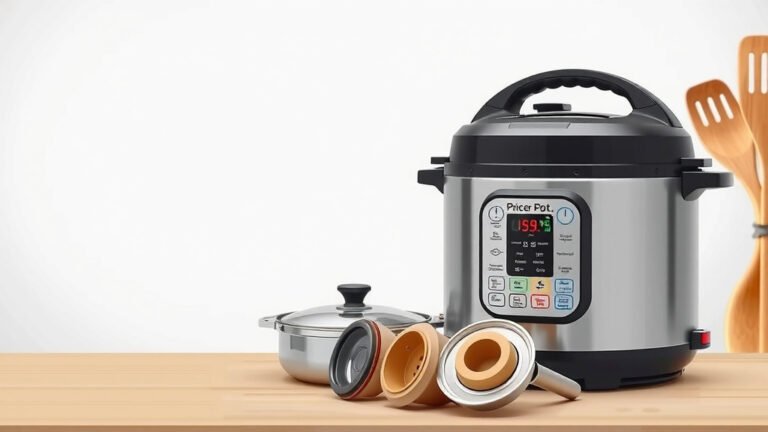
Woks, griddles, and pressure cookers all come in induction versions too. Pressure cookers are a fun match with induction, since the precise temperature control lets you hold a steady simmer with almost no babysitting.
Induction Adapter Discs: Worth It or Not?
An adapter disc is a flat magnetic plate you set on the burner, then place your non-magnetic pan on top. It works, but it’s a workaround, not a magic fix.
The Pros and Cons at a Glance
| Factor | Adapter Disc | True Induction Pan |
|---|---|---|
| Heating speed | Slower | Fastest |
| Temperature control | Less responsive | Very precise |
| Energy efficiency | Reduced | Maximized |
| Cost | Around $15–$30 | Varies by brand |
| Best for | Occasional use | Daily cooking |
Our take: a disc is fine for that one beloved copper pot you can’t part with. For everyday cooking, real induction cookware wins hands down.
What to Look for When Buying Induction Cookware
Shopping gets easier once you know what matters. Here’s a quick checklist before you click “add to cart.”
- Flat, thick base — full contact with the burner means even heating.
- Magnetic base confirmed — check for “induction ready” on the label or packaging.
- Oven-safe handles — metal handles survive high oven temps; some plastics don’t.
- Right size match — the pan base should roughly match your burner size.
- Solid construction — heavier pans resist warping and stay flat over time.
- Warranty — a lifetime guarantee is a good sign of quality.
Size matters more than people think. If your pan is much smaller than the burner, some cooktops won’t detect it and will refuse to turn on. Annoying, but there’s a reason. Our explainer on how pan detection works covers why cooktops reject pans that are too small.

Common Problems and Easy Fixes
“My Pan Says Induction Ready But Won’t Heat”
Check the pan’s size first. Many cooktops need a pan base of at least 4 to 5 inches wide to register. Tiny butter warmers and espresso pots often fail here.
“The Pan Keeps Sliding or Making Noise”
A slight hum, buzz, or rattle is normal. It’s the magnetic field doing its job. Make sure the base is flat and clean, and the pan is centered on the burner. Wobbling usually means a warped bottom.
“Food Cooks Unevenly”
Thin, cheap pans heat unevenly on any stove, and induction makes the flaws obvious. Many cooking experts recommend a pan with a multi-layer base to spread heat evenly. Slightly raising your expectations for budget pans is also fair.
Safety Tips for Cooking With Induction
Induction is one of the safest ways to cook, and health authorities have taken a close look at it. Research reviews on electromagnetic exposure from induction cooktops, including studies indexed by the National Library of Medicine, have found exposure levels far below limits considered harmful. Still, a few habits keep things extra safe.
- Turn the burner off before you lift the pan — many cooktops do this automatically.
- Keep credit cards and key fobs away from the cooktop; magnets can scramble them.
- Let the pan cool on a trivet, since the pan itself stays hot even if the burner doesn’t.
- Wipe up spills right away; the surface won’t burn them on, which makes cleanup easy.
Caring for Your Induction Friendly Cookers
Good cookware can last decades with basic care. Let pans cool before washing them — a hot pan under cold water can warp the base, and a warped base is an induction pan’s worst enemy.
For enameled cast iron, skip the steel wool. For stainless, a little baking soda paste handles stuck-on food. Store pans with a towel between them so the bases stay scratch-free and flat.
Final Buying Tips Before You Shop
Start small if you’re on a budget. A single 10-inch induction-ready skillet plus one large stockpot covers most weeknight meals. Then add pieces as you go.
We found that mid-range brands often perform nearly as well as luxury ones in everyday cooking tests. Read reviews, run the magnet test in-store when possible, and trust a flat base over flashy marketing. Your induction cooktop will do the rest.
Conclusion
An induction friendly cooker simply needs a magnetic base, and now you know exactly how to spot one. The 10-second fridge magnet test tells you which pans you already own, and the material list helps you shop with confidence for anything new. We found that most home cooks can cover 90% of their cooking with just two or three well-chosen pieces. Skip the guesswork, watch out for warped bases, and let your induction cooktop do what it does best. Your next step? Grab a magnet tonight and test your current pans before spending a dime.
Frequently Asked Questions
Can I use induction cookware on a gas or electric stove?
Yes, in almost every case. Cast iron, carbon steel, and magnetic stainless steel work great on any heat source. Just note that thin induction pans can develop hot spots over very high gas flames.
Does induction cookware cost more than regular cookware?
Sometimes, but not always. Basic induction-ready stainless and cast iron pieces often cost the same as their non-magnetic versions. We found that price usually reflects build quality rather than the magnetic base itself.
Will induction pans scratch my glass cooktop?
The pan’s base is what touches your cooktop, so smooth, clean bases are gentle. Rough cast iron or pans with rivets sitting proud of the base can leave marks. Lift pans instead of sliding them, and keep both surfaces clean.
Can I use a wok on an induction cooktop?
You can, as long as it has a magnetic base. Flat-bottomed carbon steel woks perform best, since they make solid contact with the burner. Round-bottom woks struggle unless your cooktop has a special curved burner.
Do I need special cookware for a portable induction burner?
No, the same rules apply. If a magnet sticks to the base, it will work on a portable burner just like a full-size cooktop. Check the burner’s minimum pan size, since some compact models need at least 4 to 5 inches of contact.