What Is a Teppanyaki Cooker and How Does It Work?
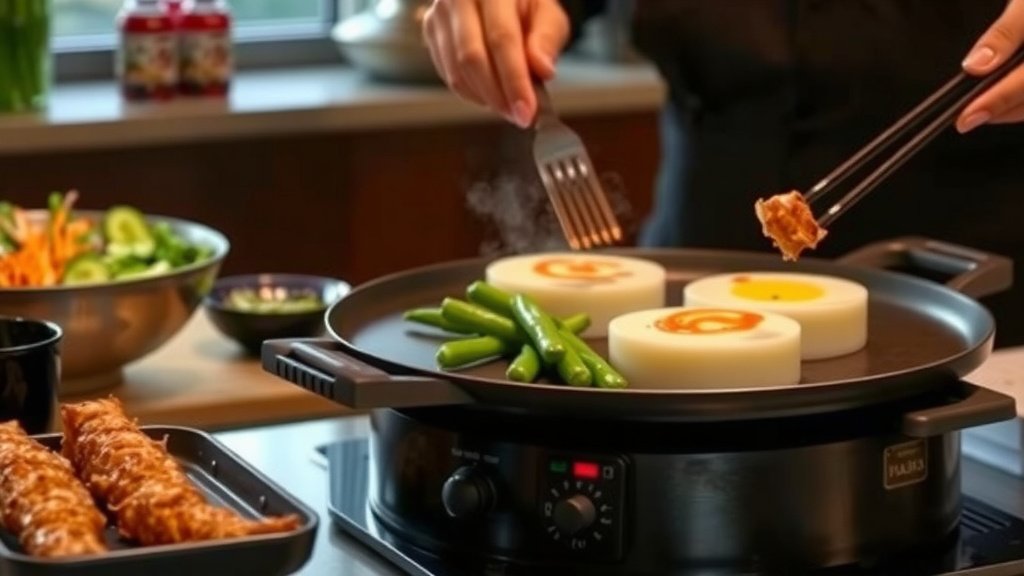
A teppanyaki cooker is a flat, heated griddle that lets you cook food right in front of you on a solid iron or steel surface. It’s the style of cooking you’ve probably seen at Japanese steakhouses, where chefs flip shrimp and slice steak with show-stopping flair. In short: one hot, flat surface, endless meal possibilities.
Unlike a traditional grill with open grates, a teppanyaki griddle gives you a smooth, even cooking area. That means perfect sears on steak, quick-fried veggies, and even pancakes and eggs on a Sunday morning. Many experts say this style of cooking is one of the most versatile ways to prepare food at home, whether you use a tabletop model or a built-in unit.
- A teppanyaki cooker is a flat, heated griddle used for Japanese-style cooking.
- It works with gas, electric, or induction heat, depending on the model.
- You can cook meat, seafood, vegetables, rice, and even breakfast foods on it.
- It’s different from a regular grill because it has a solid, smooth surface.
- We found options for every budget, from small tabletop plates to full built-in grills.
Below, we break down everything you need to know about teppanyaki cookers — how they work, the types you can buy, and how to pick the right one for your kitchen. Let’s dig in (pun fully intended).
How a Teppanyaki Griddle Actually Works
A teppanyaki cooker heats a flat plate — usually iron, steel, or aluminum — until the whole surface hits an even temperature. You then cook everything directly on that plate, no grates, no open flame, no falling asparagus (we’ve all been there). The word itself breaks down simply: “teppan” means iron plate, and “yaki” means grilled or pan-fried in Japanese.
Here’s the fun part. Because the surface is solid, heat spreads evenly instead of concentrating over the burners. That’s why you get that restaurant-quality sear on steak and why onions caramelize instead of burning in one spot. Think of it like a giant skillet with a lid-less view — everything stays visible while it cooks.
The Heat Sources Explained
Not all teppanyaki cookers get hot the same way. We found three main types, and each has its own personality. Picking the right one mostly comes down to your kitchen and your patience level.
Gas-Powered Models
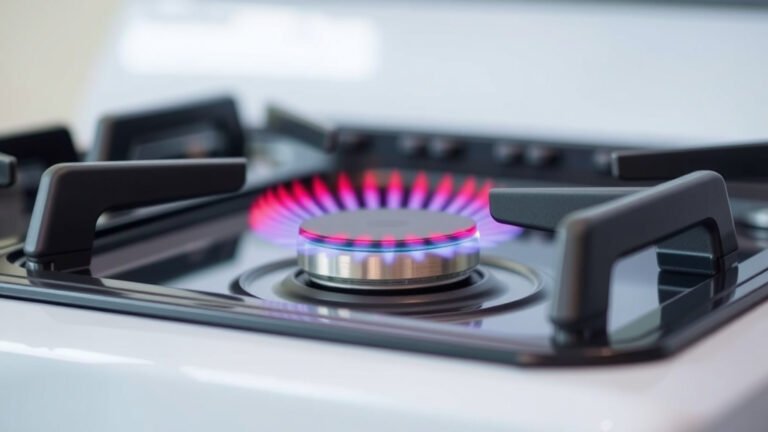
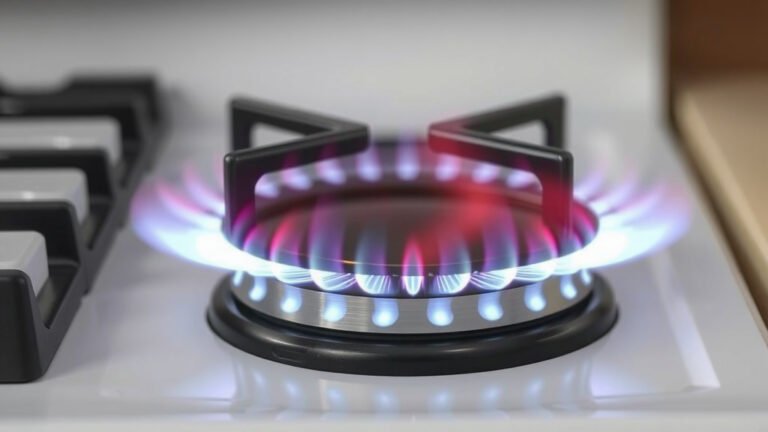
Gas units heat up fast and give you instant control. Turn the knob, and the temperature responds right away. Many pros prefer gas for high-heat searing, but you’ll need proper ventilation and a safe gas hookup. Outdoor kitchens and backyard setups are where these shine.
Electric and Induction Models
Electric griddles plug into a normal wall outlet, which makes them the easiest beginner-friendly option. Induction models go one step further — they use magnetic energy to heat the plate itself, not the air around it. The NIH notes that induction cooking can be more energy efficient than traditional electric coils, since less heat escapes into the room. The trade-off? Induction plates cost more upfront. Curious about the science? Our explainer on how induction cooking works breaks it down.
Teppanyaki vs. Hibachi vs. Your Everyday Griddle
These terms get tossed around like shrimp at a steakhouse, so let’s clear things up. We found that the confusion comes from restaurants in the US using the words interchangeably. Here’s the honest breakdown.
| Feature | Teppanyaki | Hibachi | US Griddle |
|---|---|---|---|
| Heat source | Gas, electric, or induction | Open charcoal flame | Gas or electric |
| Cooking surface | Flat iron plate | Open grate | Flat plate or cast iron |
| Style | Japanese show-style cooking | Japanese charcoal grilling | American diner fare |
| Typical food | Steak, shrimp, fried rice | Skewers, veggies, meat | Pancakes, burgers, eggs |
So when your neighbor says “hibachi grill” but means the place with the onion volcano? Now you know. Both are Japanese cooking styles, but the teppanyaki plate is the flat one.
What You Can Cook on a Teppanyaki Plate
Short answer: almost anything that fits on the plate. We found that home cooks use these griddles for full dinners, quick lunches, and lazy weekend breakfasts. The even surface means you can cook multiple foods at once without mixing flavors — steak on one side, veggies on the other.
Proteins and Seafood
Steak is the classic choice. The flat plate gives you a hard, even sear that locks in juices. Chicken thighs, pork chops, salmon, and shrimp all work beautifully too. Just follow safe internal temperatures — the USDA recommends cooking whole cuts of meat to 145°F with a rest time, and poultry to 165°F. A cheap instant-read thermometer saves you a lot of guesswork (and stomach trouble).
Veggies, Rice, and Breakfast Favorites
Diced onions, peppers, mushrooms, and zucchini get those crispy, slightly charred edges that make vegetables taste like junk food (in the best way). Fried rice is another teppanyaki staple — the wide surface lets rice toast instead of steam. And yes, pancakes, bacon, and eggs turn out diner-quality here. One plate, every meal of the day.

How to Choose the Right Teppanyaki Cooker
Shopping gets easier once you ask yourself two questions: how much space do you have, and how many people do you cook for? We found that most regrets come from buying either too small or too powerful for the kitchen. Our guide to choosing the right cooker size walks through the math for both.
Size, Space, and Power
Countertop electric plates usually run 1,000 to 1,800 watts and fit a family of four just fine. Built-in gas units need clearance, ventilation, and sometimes a pro install. If you’re renting or short on counter space, a tabletop model is the smart first step. You can always upgrade later.
- Measure your counter space before you fall in love with a model.
- Check the wattage or BTU rating — more power means faster searing.
- Look for a nonstick or preseasoned surface for easier cleanup.
- Removable drip trays make grease management way less annoying.
- Temperature range matters: low heat for eggs, high heat for steak.
- Read warranty terms; heating elements fail more than you’d think.
Keeping Your Griddle Clean and Safe
A teppanyaki cooker is only as good as the care you give it. The good news? Cleaning a flat plate is far easier than scrubbing grill grates. Warm the plate slightly, scrape off food bits with a griddle scraper, and wipe it down with a damp cloth. Many experts suggest a thin coat of oil after cleaning to protect cast iron surfaces from rust.
Safety matters too. The CDC recommends washing hands and keeping raw meat separate from ready-to-eat food — on a griddle, that means cooking proteins on one side and veggies on the other. Wipe up grease drips quickly, since hot fat can flare or smoke. Keep a spray bottle of water nearby if you’re cooking at high heat.
Common Mistakes to Avoid
Don’t crank the heat to maximum for everything. High heat is for searing; medium is for eggs and rice. Don’t use metal utensils on nonstick coatings, either — silicone or wood spatulas will keep the surface alive for years. And don’t skip the preheat. A cold plate steams your food instead of searing it, and nobody wants gray steak.
Conclusion
A teppanyaki cooker brings restaurant-style fun to your own kitchen. You get one hot, flat plate that sears steak, crisps veggies, and handles breakfast without extra pans. We found that gas suits outdoor setups, while electric and induction models win for beginners. The keys are simple: pick the right size, preheat fully, and keep the surface oiled and clean. If you’ve been on the fence, start with a tabletop electric model and measure your counter space first. Once you cook your first steak on it, you’ll wonder why you waited this long.
Frequently Asked Questions
Do I need special tools for a teppanyaki cooker?
Not really. A basic griddle scraper and a pair of long spatulas make cooking and cleanup easier, especially for flipping food. Stick with silicone or wooden utensils on nonstick surfaces. Everything else you already own will work fine.
Is a teppanyaki cooker expensive to run?
Most countertop electric models use about as much power as a large kitchen appliance, similar to an electric oven on a burner setting. Induction models tend to use less energy since heat goes straight into the plate. Your utility bump will likely be modest with normal home use.
Can I use a teppanyaki griddle outdoors?
Yes, and many gas models are built exactly for that. Outdoor use is great for high-heat cooking because smoke and grease splatter stay outside. Just keep the unit covered and dry when not in use so the plate doesn’t rust.
How long does a teppanyaki cooker take to heat up?
Electric tabletop plates usually need 5 to 10 minutes to reach searing temperature. Gas models heat faster, often in 3 to 5 minutes. Give it time either way — cooking on a half-hot plate is the main cause of uneven results.
Is teppanyaki cooking healthy?
It can be. The flat plate needs less oil than deep frying, and fat drips away instead of pooling under the food. You also cook lean proteins and fresh vegetables easily. Watch the butter and sauce amounts if you’re keeping calories in check.