What is an Induction Ready Pan? Your Cooking Guide
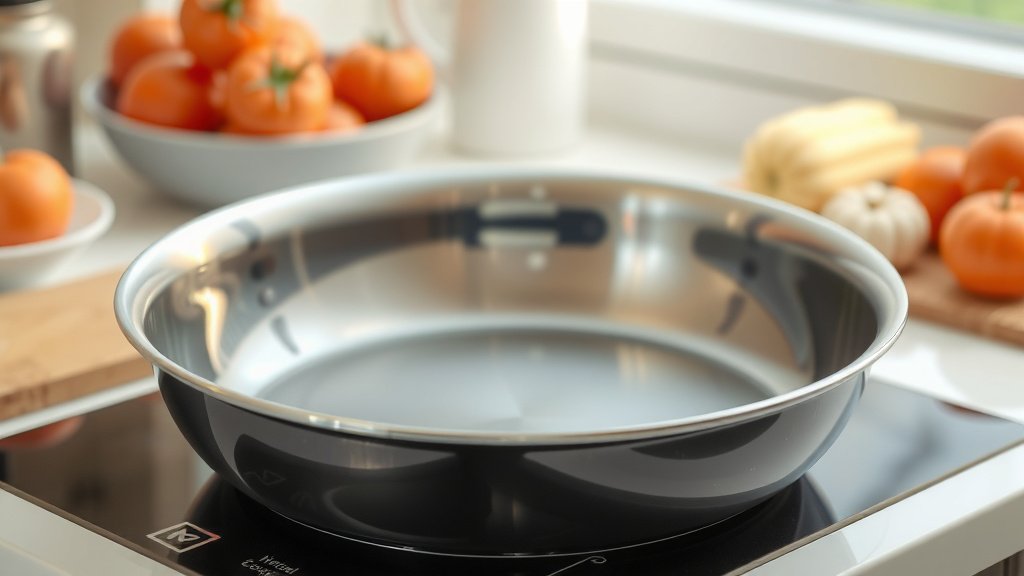
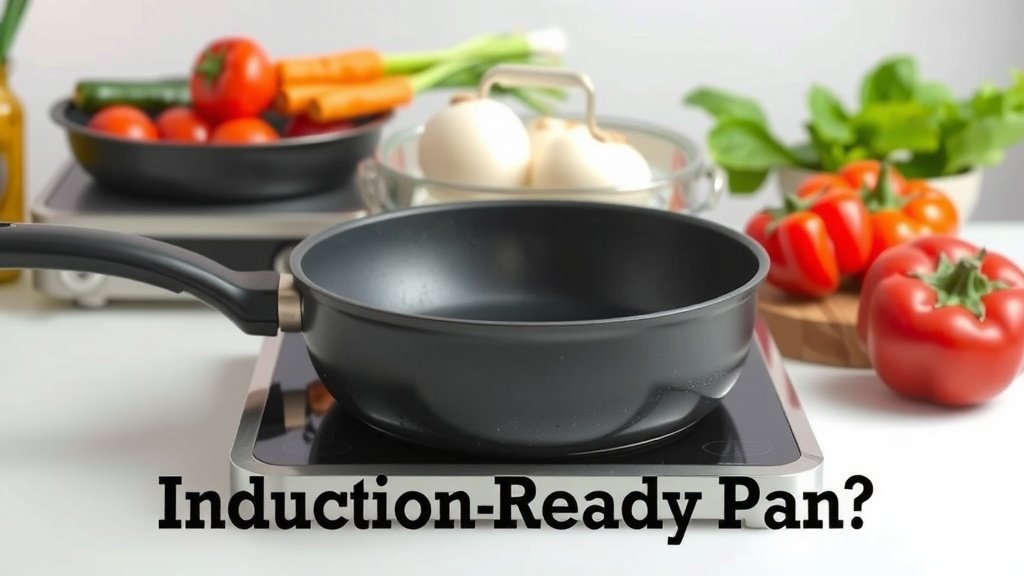
An induction-ready pan is a type of cookware that contains a magnetic material in its base. This allows it to work with induction stovetops, which use electromagnetic fields to heat your food directly. If your pan isn’t induction-ready, it simply won’t heat up on an induction cooktop.
You might be wondering how to tell if your current pans will work. It’s all about that magnetic base! Many common cookware materials like aluminum or copper won’t work on their own. You need that special layer to connect with the cooktop’s energy. This makes choosing the right pots and pans pretty important for a smooth cooking experience.
- Induction-ready pans have a magnetic base.
- This magnetic base is essential for induction stovetops to work.
- Pans made of aluminum or copper usually need a special base.
- Look for the induction symbol to be sure.
So, how do you know if your pan has this magic magnetic base? We’ll break down the simple ways to check and what to look for when you’re ready for an upgrade.
Understanding Induction-Ready Cookware
So, you’ve got a shiny new induction stovetop, or maybe you’re just curious about what makes your pots and pans “work” with it. The key really boils down to one simple thing: magnetism. An induction-ready pan is designed with a magnetic material in its base, and without that, your stovetop won’t even know it’s there. It’s like trying to plug a USB-C cable into a USB-A port – it just won’t connect!
How Induction Stovetops Work (The Magnetic Connection)
Let’s get a little bit science-y for a moment, but don’t worry, we’ll keep it simple. An induction cooktop doesn’t heat up itself. Instead, it uses an electromagnetic coil beneath the glass surface. When you turn it on, this coil creates a rapidly changing magnetic field. If you place an induction-ready pan on top, this magnetic field causes electric currents to flow directly within the pan’s base. This flow of electricity generates heat – right where your food is! It’s a super efficient way to cook because the heat is generated instantly and directly in the cookware, not wasted heating the air around it.
Why Non-Induction Pans Don’t Work
Think about materials like aluminum, copper, or glass. They’re fantastic for cooking in many ways, but they aren’t naturally magnetic. When you put a pan made purely of these materials on an induction cooktop, the magnetic field from the stovetop has nothing to interact with. No magnetic field interaction means no electric currents are generated in the pan’s base. And if there are no electric currents, there’s no heat. So, your pan will just sit there, looking pretty, but not doing any cooking. It’s a bit like trying to start a campfire with a dry twig – you need the right spark!
Common Non-Magnetic Cookware Materials
You’ll often find that cookware made entirely from:
- Aluminum
- Copper
- Stainless Steel (some types)
- Glass or Ceramic
What Makes a Pan “Induction-Ready”?
The secret sauce for induction-ready pans is a layer of ferromagnetic material in the base. Ferromagnetic materials are simply those that are strongly attracted to magnets. This is what allows them to “lock onto” the magnetic field generated by your induction cooktop.
The Construction of Induction-Ready Pans
Many induction-ready pans are built with a “sandwich” style base. This typically involves a layer of a non-magnetic material (like aluminum for good heat conduction) on the inside and outside, with a layer of magnetic stainless steel or cast iron sandwiched in the middle. This combination gives you the best of both worlds: excellent heat distribution and compatibility with induction stovetops.
Identifying Induction-Ready Materials
The most common ferromagnetic materials used in cookware bases are:
- Cast Iron: Naturally magnetic and a great choice for induction. It’s heavy and retains heat wonderfully.
- Magnetic Stainless Steel: Many modern cookware lines use stainless steel with a magnetic component added to the base.
- Enameled Cast Iron: This is cast iron that has been coated with enamel. The iron core is still magnetic.
How to Tell If Your Pan Is Induction-Ready (The Easy Way!)
You don’t need a degree in physics to figure this out! Here are a couple of super simple methods:
The Magnet Test
This is the gold standard, the easiest trick in the book. Grab any magnet you have lying around – a refrigerator magnet, a craft magnet, anything. Just try to stick it to the bottom of your pan. If the magnet sticks firmly, congratulations! Your pan is induction-ready. If it slides right off or barely clings, it’s likely not going to work on your induction cooktop.
Look for the Symbol
Many cookware manufacturers are helpful these days. You’ll often find a small symbol on the bottom of the pan or on its packaging. This symbol looks like a series of loops, similar to a coil or a sideways ‘S’. It’s the universal indicator that a piece of cookware is suitable for induction. We’ve found this is the quickest visual cue when you’re shopping.
| Cookware Material | Induction Ready? | Why or Why Not |
|---|---|---|
| Cast Iron | Yes | Naturally magnetic. Excellent heat retention. |
| Magnetic Stainless Steel | Yes | Has a magnetic layer added to the base. |
| Enameled Cast Iron | Yes | The cast iron core is magnetic. |
| Aluminum (Pure) | No | Not magnetic; needs a special magnetic base. |
| Copper (Pure) | No | Not magnetic; needs a special magnetic base. |
| Glass/Ceramic | No | Not magnetic; cannot generate heat. |
| Non-Magnetic Stainless Steel | No | Lacks the necessary magnetic properties. |
When to Consider New Cookware
If you’ve done the magnet test and found that many of your beloved pots and pans aren’t magnetic, it might be time for a little kitchen refresh. Cooking on an induction surface is a fantastic experience – it’s fast, precise, and energy-efficient. Having the right cookware just makes it even better. Don’t you want your cooking to be as smooth as possible?
Signs Your Cookware Isn’t Cutting It
Beyond the magnet test, you might notice other signs:
- Your pans simply don’t heat up at all.
- The heating is very uneven, with hot spots.
- Your stovetop makes a buzzing or humming noise when you use certain pans (this can happen if the pan is only *barely* magnetic).
Choosing Induction-Ready Cookware: What to Look For
When you’re in the market for new pots and pans, here’s a handy checklist to keep in mind:
- Check for the induction symbol: That little coil icon is your best friend.
- Perform the magnet test: Bring a magnet with you to the store!
- Read product descriptions: Look for terms like “induction compatible” or “induction ready.”
- Consider material: Cast iron and magnetic stainless steel are reliable choices.
- Look at the base: Many brands will clearly state if the base is magnetic or has a special induction layer.
Conclusion
You’ve learned that induction-ready pans are your ticket to a fantastic cooking experience on an induction stovetop. The magic lies in their magnetic base, which directly interacts with your cooktop’s electromagnetic field to generate heat. Remember, if a magnet sticks, your pan is likely good to go! If you’re finding your current cookware isn’t up to par, don’t worry. Upgrading to induction-compatible pots and pans is straightforward. Start by looking for that induction symbol or performing a quick magnet test the next time you shop, ensuring your kitchen is ready for efficient, precise cooking.
Frequently Asked Questions
How do I know for sure if my current pan is induction-ready without buying a new one?
The simplest method is the magnet test. Grab any common magnet, like one from your refrigerator, and see if it sticks firmly to the bottom of your pan. If it holds tight, your pan is induction-ready.
Can I use a regular non-stick pan on an induction stovetop?
Many non-stick pans are made with aluminum or copper, which aren’t magnetic. However, some non-stick cookware brands specifically design their pans with a magnetic base to be induction compatible. Always check for the induction symbol or perform the magnet test.
What happens if I try to use a non-induction pan on an induction stovetop?
If a pan is not induction-ready, the magnetic field from the stovetop won’t interact with it. This means no electrical currents will be generated in the pan’s base, and therefore, no heat will be produced. Your food simply won’t cook.
Are all stainless steel pans induction-ready?
No, not all stainless steel pans are induction-ready. While stainless steel is durable, only those with a magnetic layer in their base will work on an induction cooktop. Check the pan’s base or look for the induction symbol.
Where is the best place to look for the induction-ready symbol on cookware?
You can usually find the induction symbol (often depicted as a series of loops or coils) printed directly on the bottom of the pan itself. It’s also commonly found on the cookware’s packaging or in the product description if you’re shopping online.