How to Clean Cooker Burners Safely and Effectively
The easiest way to clean cooker burners is by removing the grates and burner caps, soaking them in hot, soapy water, and then scrubbing away grime with a non-abrasive sponge. For stubborn burnt-on food, a paste of baking soda and water works wonders. This method is effective for both gas and electric cooktops, restoring their shine with a little elbow grease.
Keeping your cooker burners clean not only makes your kitchen look better but also ensures they function efficiently. Food splatters and grease buildup can become difficult to remove over time. Many experts suggest a regular cleaning routine to prevent tough stains and maintain optimal performance, making your cooking experience more enjoyable.
- Remove grates and caps for deep cleaning.
- Soak in hot, soapy water to loosen grime.
- Use a baking soda paste for burnt-on messes.
- Wipe down the cooktop surface gently.
- Dry thoroughly before reassembling.
Ready to tackle those greasy stove burners? Let’s walk through the simple steps to get them sparkling clean again, just like new!
“`htmlRevitalizing Your Cooker Burners: A Step-by-Step Guide
Got a cooktop that looks like a battleground after dinner? You’re not alone. Burnt-on food and greasy splatters can make even the most seasoned home chef feel a bit discouraged. But don’t worry, getting your cooker burners looking shiny and new is totally achievable. We’ve gathered some tried-and-true methods that will help you tackle grime without damaging your appliance. Let’s dive in and get those burners gleaming!
Preparing Your Cooktop for Cleaning
Before you start scrubbing, it’s essential to prepare your cooktop safely. This makes the cleaning process smoother and prevents accidents. You’ll want to ensure the appliance is cool and disconnected from its power source.
Safety First: Unplug or Turn Off Power
This is the most important step. For electric stoves, you’ll want to unplug the unit from the wall outlet. If your stove is hardwired, find the breaker box and switch off the corresponding circuit breaker. For gas stoves, turn off the gas supply valve. This is usually located behind the stove. Making sure the power is off protects you from electric shock or gas leaks.
Allowing the Cooktop to Cool
Never attempt to clean a hot stove. Hot surfaces can cause burns. It’s also important because some cleaning solutions can react poorly with hot metal. Give your cooktop at least 30 minutes to cool down completely after use. You can even test a small spot with your hand to be sure.
Cleaning Removable Burner Parts
Many cooktop burners have parts that can be removed for a thorough cleaning. This often includes the burner grates and the burner caps. These are usually the areas that accumulate the most stubborn grease and food debris.
Removing Grates and Burner Caps
Gently lift the grates off your gas or electric stove. They might be heavy, so be careful. Then, locate the burner caps. These are typically round, flat pieces that sit on top of the burner heads. They should lift right off. For electric coil burners, you can often lift the coils themselves up slightly to access the drip pans underneath.
Soaking for Stubborn Grime
A good soak is key for loosening baked-on food. Fill your sink or a large basin with hot water. Add a generous squirt of dish soap. Submerge the grates and burner caps. Let them soak for at least 15-30 minutes. For really tough messes, you might need to soak them for a couple of hours. This makes scrubbing much easier later on.
Scrubbing Away the Mess
After soaking, grab a non-abrasive sponge or a soft-bristled brush. Gently scrub away the loosened grime. You want to avoid abrasive materials like steel wool, which can scratch the finish. For burnt-on bits that are still stuck, a paste of baking soda and water can work wonders. Make a thick paste, apply it to the stubborn spots, and let it sit for about 20 minutes before scrubbing.
Making a Baking Soda Paste
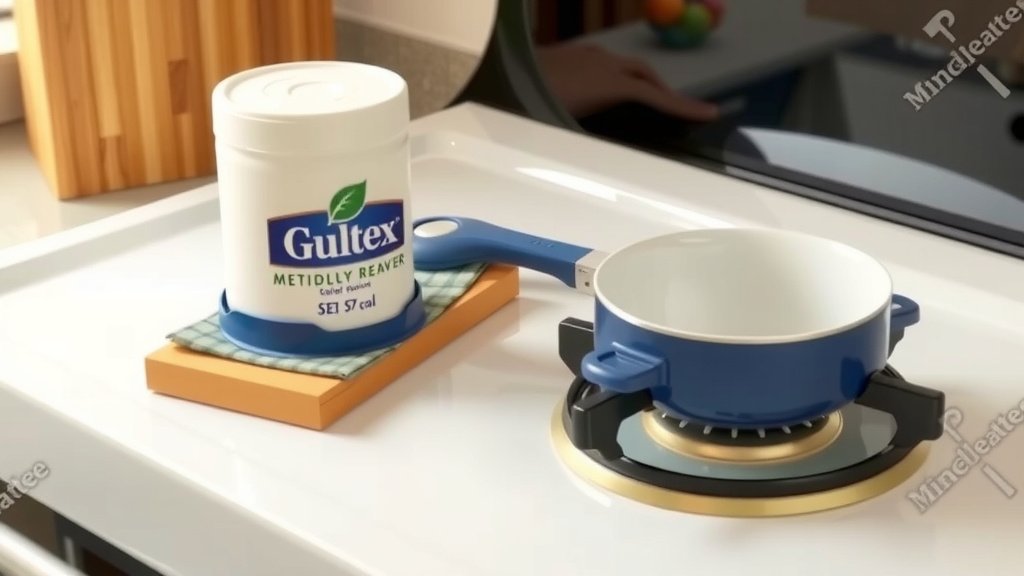
To create your baking soda paste, mix about half a cup of baking soda with a few tablespoons of water. You’re aiming for a consistency similar to toothpaste. This paste is a mild abrasive that’s tough on grease but gentle on your burner parts.
Rinsing and Drying Thoroughly
Once you’ve scrubbed everything clean, rinse all the parts thoroughly with clean water. Make sure no soap residue remains. Then, dry them completely with a clean towel. It’s essential that they are bone dry before you put them back on the stove to prevent rust or electrical issues.
Cleaning the Cooktop Surface
While the burner parts are soaking or drying, you can tackle the cooktop surface itself. This area often collects spills and splatters that aren’t directly on the burners.
Wiping Down the Surface
Use a damp cloth or sponge with a bit of dish soap. Wipe down the entire cooktop surface. For tougher spots, you can use a cleaner specifically designed for your type of cooktop (e.g., glass cleaner for glass tops, stainless steel cleaner for stainless steel). Always follow the product instructions carefully.
Dealing with Tough Stains on the Surface
If you have stubborn, burnt-on food on the cooktop surface, the baking soda paste is your friend again. Apply it to the stain and let it sit for 10-15 minutes. Then, gently wipe it away with a damp cloth. For glass cooktops, a razor blade scraper held at a low angle can carefully lift off burnt-on residue, but use this method with extreme caution to avoid scratching.
Reassembling Your Cleaned Burners
Once everything is clean and dry, it’s time to put your cooktop back together. This should be a simple reverse of the disassembly process.
Putting the Pieces Back Together
Place the burner caps back onto the burner heads. Make sure they sit snugly. Then, place the grates back over the burner caps. For electric coil stoves, ensure the coils are properly seated in their sockets and the drip pans are back in place.
Final Check and Power Up
After reassembly, do a quick visual check. Make sure everything looks right and is stable. Now, you can safely plug your electric stove back in or switch the circuit breaker back on. For gas stoves, turn the gas valve back on and check for any leaks before lighting a burner. A quick test run of each burner can confirm everything is working as it should.
Here’s a quick checklist to keep your burners in top shape:
- Gather your cleaning supplies before starting.
- Ensure the cooktop is cool and unplugged/off.
- Soak removable parts in hot, soapy water.
- Use baking soda paste for tough, burnt-on messes.
- Wipe down the cooktop surface gently.
- Dry all parts completely before reassembly.
Conclusion
You’ve now got the know-how to make your cooker burners shine again! Remember, a cool cooktop, a good soak, and a little scrubbing with a baking soda paste are your best friends against tough grime. By following these steps, you’re not just cleaning; you’re ensuring your kitchen appliances work better and last longer. Make this cleaning routine a habit. Start by setting aside 30 minutes this weekend to tackle those burners. You’ll love the sparkling results!
Frequently Asked Questions
Can I use harsh chemicals to clean my cooker burners?
It’s generally best to avoid harsh chemicals like oven cleaner or ammonia on your cooktop burners. These can damage the finish or coatings. A simple mix of dish soap, hot water, and a baking soda paste is usually effective and much safer for your appliance.
How often should I clean my cooker burners?
For best results and to prevent tough buildup, aim to clean your cooker burners at least once a month. If you cook frequently or tend to have messy spills, a quick wipe-down after each use and a deeper clean every two weeks can make a big difference.
What should I do if my burner caps are still discolored after cleaning?
Some permanent discoloration can occur over time, especially with older stoves. If they are clean but still look dull, you might consider cleaning them one last time with the baking soda paste and letting them soak longer. For very stubborn stains, sometimes a mild metal polish (check your stove manual first!) can help restore shine.
My electric coil burner drip pans are really grimy. How can I clean them?
Remove the electric coil burner itself by gently lifting it out of its socket. Then, lift out the drip pan underneath. You can soak these in hot, soapy water just like the grates and caps. For tough grease, a baking soda paste can be applied before scrubbing. Make sure they are completely dry before putting them back.
Is it safe to use a razor blade scraper on my cooktop surface?
A razor blade scraper can be effective for burnt-on food on glass or ceramic cooktops, but you must use it with extreme caution. Always hold the blade at a very low angle to the surface, and never use it on a scratched or damaged cooktop, as this can worsen the damage. Test in an inconspicuous area first.