Master Your Rice Cooker: Simple Measuring Tips
Measuring rice for your rice cooker is surprisingly simple. The easiest way to measure rice is to use the cup that came with your cooker. Fill it loosely to the top, then level it off without packing it down. This ensures you get the right amount of cooked rice every time.
Many people wonder if using a standard measuring cup works just as well. While it can work, the included cup is specifically designed for your appliance. This helps maintain the correct rice-to-water ratio, which is key for perfect texture. We found that sticking to the cooker’s cup prevents common mistakes like mushy or dry rice.
- Use the rice cooker’s included cup.
- Fill it level, don’t pack it.
- The cup size is usually smaller than a standard cup.
- Water line matters too!
Let’s walk through exactly how to measure rice using your rice cooker’s cup so you can enjoy fluffy, delicious rice without any guesswork.
You’ve got your rice cooker ready to go. The next step is getting the rice and water just right. Measuring your rice might seem simple, but a little accuracy goes a long way. Let’s get you set up for rice perfection.
Getting the Rice Measurement Right
Knowing how much rice to use is the first step for fluffy, delicious results. Your rice cooker usually comes with a special cup. This cup is your golden ticket to perfectly cooked rice every time. It’s designed to be a specific size. This size isn’t the same as a standard US measuring cup. We’ve found that using this unique cup is the **most reliable method**.
Why the Special Cup Matters
Your rice cooker’s cup is typically smaller than a standard 1-cup measure. It holds about 0.75 cups by volume. This difference might seem small. But it directly impacts the rice-to-water ratio. Using the correct cup helps maintain the **ideal balance**. This balance is key for the rice to absorb water properly. It prevents your rice from becoming too wet or too dry.
What Happens If You Use a Standard Cup?
If you use a standard US measuring cup, you might accidentally use too much rice. This can lead to a couple of issues. Your cooker might not have enough steam capacity. Or, you might end up with undercooked grains. Some users report a slightly mushy texture too. We recommend sticking to the **included rice cooker cup** for consistent results. It’s really that simple.
How to Fill the Rice Cooker Cup
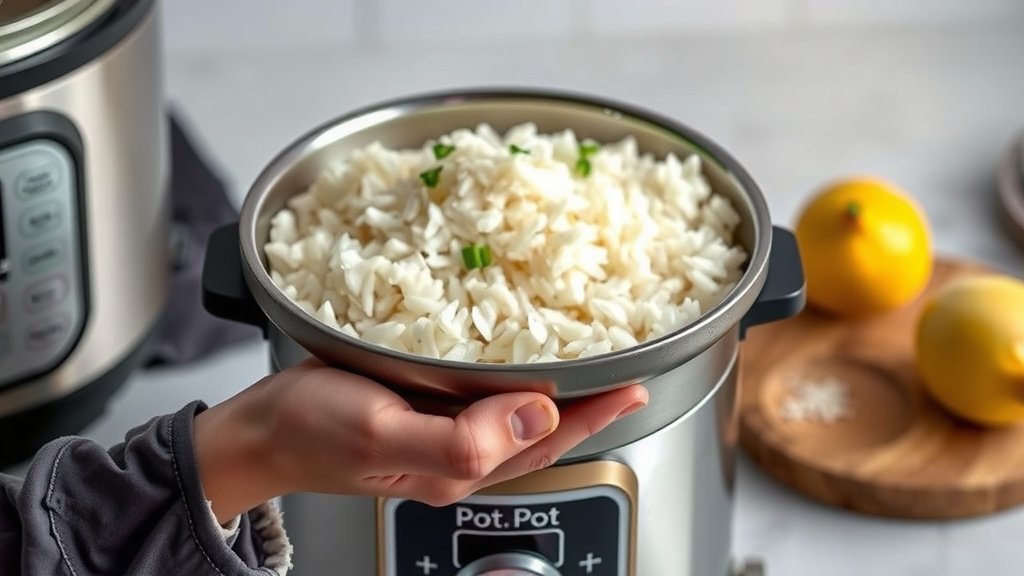
Fill the rice cooker cup loosely with dry rice. Don’t scoop directly from the rice bag, as this can compact the grains. Instead, use a spoon or your hand to gently pour rice into the cup. Level off the top of the cup with a straight edge, like the back of a butter knife. Make sure the rice is flat and even. **Do not press down or pack the rice**. This will give you an inaccurate measurement.
Visualizing the Correct Amount
Think of it like filling a small bucket. You want to fill it to the brim but not heap it. Then, you just scrape off the excess. This method ensures you’re using the volume the rice cooker is designed for. Many people find this visual helpful. It’s about getting a level, airy scoop.
Understanding Water Ratios
Once you have your rice measured, the water amount is just as important. The water line markers inside your rice cooker pot are there for a reason. They correspond to the amount of rice you’ve put in. This is where using the right rice cup really pays off. The water lines are calibrated for that specific cup size.
Using the Water Lines
After measuring your rice, put it into the rice cooker pot. Rinse the rice if your recipe calls for it. Then, add the correct amount of water. Look for the markings inside the pot. There will be a line labeled ‘1 Cup,’ ‘2 Cups,’ and so on. These lines are designed to be filled to based on the number of rice cups you added. For example, if you used one level rice cooker cup of rice, fill the water up to the ‘1 Cup’ line. It’s a straightforward system.
What If There Are No Water Lines?
Some older or very basic rice cooker models might not have precise water lines. In these cases, you’ll need to rely on a general ratio. A common starting point is a 1:1.5 ratio of rice to water. This means for every one cup of rice, you’ll add 1.5 cups of water. However, this can vary based on rice type. **Consult your rice cooker’s manual** for specific guidance. Or, look up common ratios for the type of rice you’re cooking (like white, brown, or jasmine).
Rinsing Your Rice: A Quick Guide
Rinsing rice helps remove excess starch. This leads to fluffier, less sticky grains. Place your measured rice in a bowl. Cover it with cool water. Swirl the rice with your hand. The water will turn cloudy. Drain the milky water. Repeat this process a few times until the water runs mostly clear. Some experts suggest rinsing until the water is nearly transparent (NCBI). This step is especially important for white rice.
| Item | Rice Cooker Cup (Approx.) | Standard US Measuring Cup (Approx.) |
|---|---|---|
| Volume | 0.75 cups | 1 cup |
| Purpose | Designed for specific cooker ratio | General kitchen use |
| Recommendation | Always use for best results | Can lead to incorrect ratios |
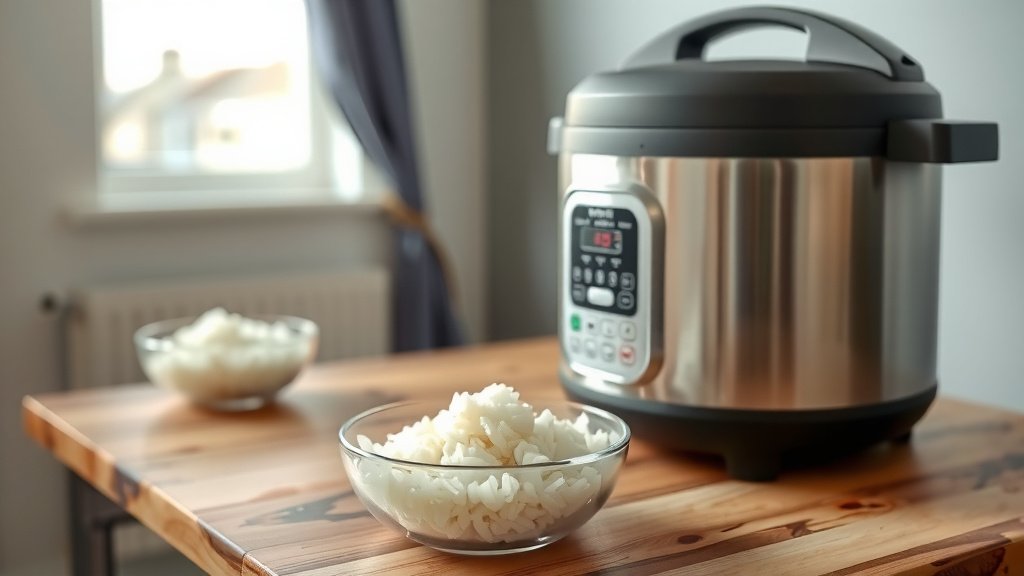
Checking Your Rice Cooker’s Manual
We can’t stress this enough: your rice cooker’s manual is your best friend. It contains specific instructions tailored to your appliance. It will tell you exactly what size the included cup is. It will also detail the recommended rice-to-water ratios. Even if you’ve been using a rice cooker for years, giving the manual a quick read can be beneficial. You might discover a **new tip or trick**.
Troubleshooting Common Rice Issues
If your rice isn’t coming out right, measurement is often the culprit. Too much water leads to mushy rice. Too little water results in dry, hard grains. If your rice is consistently gummy, try rinsing it more thoroughly. If it’s crunchy, you might be using too little water or the wrong cup. **Experimentation is sometimes needed**. Slight adjustments can make a big difference over time.
A Checklist for Perfect Rice Measurement
Here’s a quick recap to ensure you nail your rice measurement:
- Use the rice cooker’s specific cup.
- Fill the cup level without packing.
- Rinse rice if needed until water is clear.
- Add water to the corresponding line in the pot.
- Consult your manual for exact ratios.
- Don’t be afraid to make small adjustments.
Conclusion
Mastering how to measure rice in your rice cooker is the first step toward consistently perfect meals. Remember, the key is using the special cup that came with your appliance. It’s designed to ensure the right rice-to-water ratio, preventing common issues like mushy or dry rice. Always fill it level and never pack the rice down. By respecting these simple guidelines and using your cooker’s water lines, you’re well on your way to fluffy, delicious rice every single time.
Your next delicious bowl of rice is just a scoop away. Happy cooking!
Frequently Asked Questions
What’s the difference between a rice cooker cup and a standard measuring cup?
A rice cooker cup is typically smaller, holding about 0.75 of a standard US cup. This difference is intentional to create the correct rice-to-water ratio your cooker needs to function optimally. Using the standard cup can throw off this balance.
Can I just eyeball the amount of rice if I don’t have the cooker’s cup?
While you can try to eyeball it, we found that it’s not very reliable. The cooker’s cup is specifically calibrated. Eyeballing can easily lead to too much or too little rice, affecting the final texture and cooking process.
How do I know if I’m using too much or too little water?
Too much water usually results in mushy or sticky rice. Too little water can lead to dry, undercooked, or hard grains. Always check the water level markings inside your rice cooker pot after adding your measured rice.
Is rinsing rice really that important for measurement?
Rinsing rice helps remove excess starch, which contributes to fluffier, less sticky results. While it doesn’t directly affect the measurement *quantity*, it significantly impacts the *quality* and texture of your cooked rice.
My rice cooker doesn’t have water lines. What should I do?
If your rice cooker lacks water lines, consult your manual for recommended ratios, often around 1:1.5 (rice to water). You can also look up standard ratios for the specific type of rice you are cooking. Experimentation might be necessary.