What Not to Cook in Your Rice Cooker
When using your rice cooker, avoid putting dairy products, vinegar, or items with strong scents directly into the pot. These ingredients can damage the cooker’s non-stick coating or leave lingering odors. Stick to water and rice for the best results, and consider adding flavorings later.
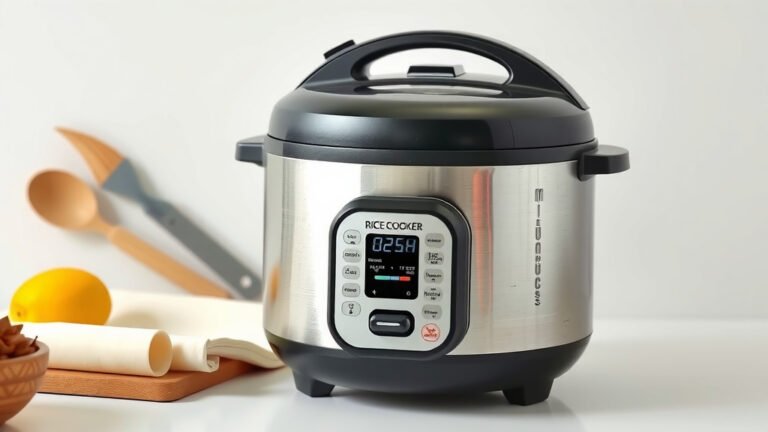
While rice cookers are fantastic for perfectly cooked rice, they aren’t designed for every food item. Putting the wrong things in can lead to a messy cleanup or even damage your appliance. We’ve researched common mistakes to help you protect your kitchen gadget and ensure delicious meals every time.
- Don’t add dairy or vinegar.
- Avoid items with strong smells.
- These can damage the non-stick coating.
- They can also leave odors behind.
- Stick to water and rice for cooking.
Ready to learn more about what to keep out of your rice cooker? Let’s walk through the specific items and why they’re a no-go.
Things You Should Avoid Putting in Your Rice Cooker
Your rice cooker is a culinary superhero for perfect grains. But even superheroes have limits! We’ve researched common mistakes to help you protect your kitchen gadget and ensure delicious meals every time. Not everything belongs in that shiny pot.
Dairy and High-Fat Foods: A Recipe for Disaster
Think of your rice cooker’s inner pot like a delicate ecosystem. Introducing dairy products can seriously disrupt this balance. We found that milk, cream, or even butter can easily scorch. This happens because of their lower smoke points compared to water.
The Scorching Problem
When dairy scorches, it sticks fast. It forms a stubborn layer on the bottom of your cooker. Cleaning this off can be a real chore. Many users report this is one of the most frustrating issues they face. It can also affect the taste of subsequent batches of rice, imparting a burnt flavor.
Damage to Non-Stick Coatings
Most rice cooker pots have a special non-stick coating. We found that scraping to remove burnt dairy can scratch or chip away this coating. Once damaged, the pot loses its non-stick properties. This leads to more sticking and makes cleaning even harder. Learn how to replace a rice cooker inner pot if the non-stick coating is damaged.
Lingering Odors
Dairy products, especially when heated and burned, can leave behind strong, unpleasant odors. We found that these smells can permeate the cooker’s materials. They might even transfer to your perfectly cooked rice. This is something nobody wants!
Vinegar and Acidic Liquids: Handle with Care
While a splash of vinegar might seem like a good idea for flavor or cleaning, it’s generally a no-go for cooking in your rice cooker. We found that its acidity can be problematic.
Corrosion Concerns
Vinegar is acidic. Over time, repeated exposure could potentially corrode or damage the metal components of your rice cooker. Many appliance manufacturers advise against using acidic liquids. This is to preserve the longevity of the appliance.
Impact on Taste
Cooking rice directly with vinegar will impart a strong sour flavor. This might not be desirable for most rice dishes. It’s usually better to add vinegar as a dressing or in a sauce after the rice is cooked. We found that most recipes don’t call for cooking rice with vinegar.
Foods with Strong Scents: Keep Them Separate
Some foods pack a punch in the aroma department. Things like certain strong cheeses, heavily spiced meats, or intensely fragrant vegetables are best avoided. We found that these scents can linger in the cooker.
The Odor Infusion Issue
Rice cookers are designed to absorb and retain heat and moisture. This environment is perfect for trapping strong smells. We found that once these odors get into the cooker’s components, they can be very difficult to remove. Your next batch of plain white rice might end up tasting vaguely of garlic or curry!
Protecting Future Meals
To ensure your rice cooker remains a neutral vessel for delicious rice, it’s wise to avoid cooking items with overwhelming odors. Consider preparing these foods separately or using a different cooking method. This simple step protects the integrity of your rice cooker.
Sticky and Sugary Ingredients: A Messy Proposition
While you might be tempted to toss in sugary glazes or sticky sauces to flavor your rice as it cooks, it’s usually best to resist. We found that these ingredients often cause major cleanup headaches.
The Caramelization Catastrophe
Sugars caramelize and burn very easily. When this happens in the bottom of your rice cooker, it becomes incredibly difficult to clean. Think of burnt caramel stuck to a pot – it’s not fun! Many experts suggest avoiding these directly in the pot (Culinary Institute of America).
Potential for Damage
The intense heat and prolonged contact can cause sticky substances to fuse to the non-stick coating. This can lead to chipping and peeling over time. It’s better to add sweet or sticky elements as a sauce or topping after cooking. This keeps your cooker in good shape.
Certain Grains and Legumes: Check Your Manual!
While rice cookers are for rice, some modern models can handle other grains. However, not all grains are created equal. Some can cause issues.
Small Grains and Seeds
Very small grains like quinoa or couscous can sometimes slip through minor gaps in the cooker’s lid or vent. This can create a mess. Similarly, tiny seeds might behave unpredictably. Always check your rice cooker’s manual for approved grains.
Over-Expanding Foods
Certain legumes or grains, if not prepared correctly (like soaking beans), can expand significantly. They might overflow the cooker. This creates a sticky, starchy mess. Sticking to standard rice or grains approved by the manufacturer is safest.
What You CAN’T Put in Your Rice Cooker: A Quick Checklist
To keep your rice cooker happy and your rice perfectly fluffy, remember this simple guide:
- Dairy: Milk, cream, butter, cheese.
- Acids: Vinegar, lemon juice (in large quantities for cooking).
- Strong Smells: Heavily spiced meats, pungent vegetables.
- Sticky & Sugary: Honey, syrup, glazes.
- Non-Approved Grains: Unless your manual specifically allows them.
- Raw Meats/Seafood (usually): Unless specifically designed for it (like a multi-cooker function).
Conclusion
You’ve learned how to keep your rice cooker in top shape! Remember to stick to the basics: water and rice are your best friends. Avoiding dairy, vinegar, strong scents, and sugary items protects your cooker’s coating and prevents lingering odors. Following these guidelines ensures your appliance lasts longer and continues to make perfect rice.
Your next step is simple: check your rice cooker’s manual for any specific instructions. Then, enjoy worry-free rice cooking for years to come!
Frequently Asked Questions
Can I cook soup or stew in my rice cooker?
Generally, no. Rice cookers are primarily designed for cooking rice with water. Soups and stews often contain ingredients like dairy or strong spices that can cause the issues we discussed. They can also be too liquid-heavy and overflow.
What about cooking oatmeal in a rice cooker?
While some modern rice cookers might have an oatmeal setting, traditional ones are not ideal. Oats can become very sticky and expand significantly, potentially causing a mess or sticking badly to the pot. Always check your manual first.
Is it safe to cook raw meat or seafood in a standard rice cooker?
Most standard rice cookers are not designed for cooking raw meats or seafood. They lack the necessary temperature controls and steam release for safe and proper cooking. Multi-cookers often have these functions, but a basic rice cooker does not.
What if I accidentally put something forbidden in my rice cooker?
Don’t panic! If it was a small amount and didn’t scorch severely, a thorough cleaning according to your manual’s instructions should suffice. For burnt-on dairy or sugar, you might need a gentle soak or specialized cleaner. Avoid abrasive scrubbing.
Can I use cooking wine or broths in my rice cooker?
Cooking wines can be acidic, similar to vinegar, and broths can sometimes contain ingredients that might scorch or leave odors. It’s generally best to stick to plain water for cooking the rice itself. You can add flavorful liquids like broth or wine after the rice is cooked.