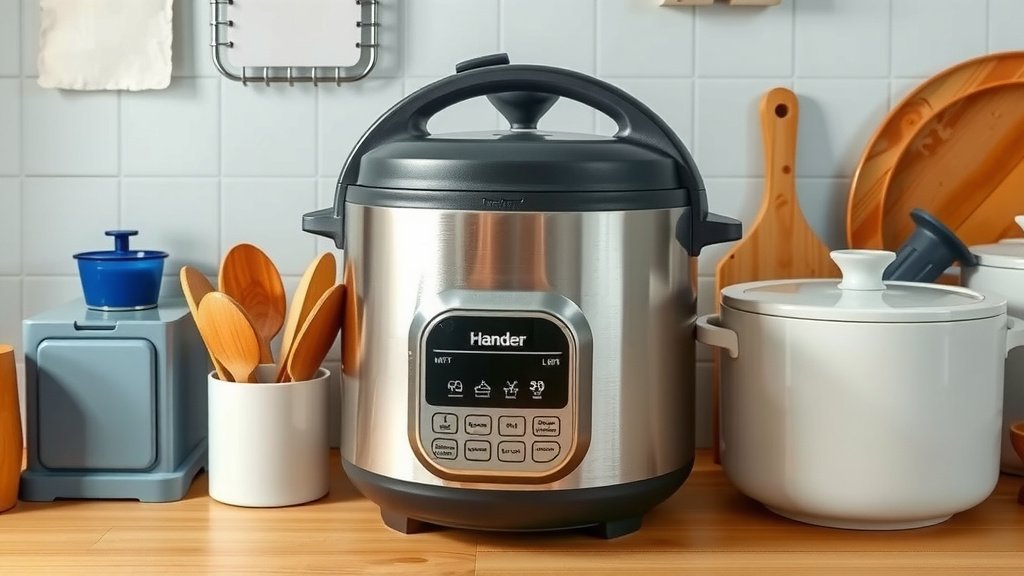
Your Rice Cooker Storage Solution: Where to Keep It
You’re looking for the perfect spot to stash your rice cooker when it’s not in use. The best places to store a rice cooker are usually in your kitchen cabinets, on a shelf, or in a pantry. You want a space that’s dry and easily accessible for your next delicious rice meal.
Finding the right storage spot depends on your kitchen’s layout and how often you use your cooker. Some people prefer keeping it on the countertop for daily use, while others tuck it away to save counter space. We’ve researched several common kitchen setups to offer practical solutions for everyone.
- Store in cabinets or pantries.
- Keep it in a dry, accessible location.
- Consider countertop storage for frequent use.
- Ensure it’s protected from dust and moisture.
Let’s walk through some popular and effective options for storing your rice cooker so it stays clean and ready to go.
So, you’ve mastered the art of cooking perfect rice, but now you’re wondering where your trusty rice cooker should live when it’s not busy churning out fluffy grains. It’s a common question! You want it handy, but you also don’t want it hogging precious kitchen real estate. Let’s figure out the best spots for your rice cooker.
Finding the Right Place for Your Rice Cooker
Your rice cooker deserves a good home. It needs to be somewhere clean, dry, and easy to get to. Think about how often you use it and what kind of kitchen you have.
Cabinet Storage: The Classic Choice
Kitchen cabinets are often the go-to for storing appliances. They keep things out of sight, which can make your kitchen feel tidier. We found that most people have at least one cabinet that can accommodate a standard-sized rice cooker.
Deep Lower Cabinets
Larger bottom cabinets are usually your best bet. These can often fit the rice cooker, its cord, and maybe even its accessories like a steamer basket. Just make sure the cabinet is deep enough so the cooker doesn’t stick out when you close the door.
Adjustable Shelves
If your cabinet has adjustable shelves, you can customize the height. This is great if your rice cooker is a bit taller. Measure your cooker first to set the shelf at the perfect level. You want enough clearance so you can easily take it out and put it back without banging it around.
Stacking Considerations
We generally don’t recommend stacking other heavy items on top of your rice cooker in the cabinet. This could potentially damage the appliance. If you need to stack, make sure the item on top is very lightweight and the cooker itself is sturdy.
Pantry Power: When You Have the Space
If you’re lucky enough to have a walk-in or a spacious pantry, this can be an excellent storage solution. Pantries are designed for storing all sorts of kitchen goods, and your rice cooker fits right in.
Shelf Placement
Similar to cabinets, place the rice cooker on a sturdy shelf. Ensure the shelf is not too high, making it difficult to reach. A mid-level shelf is ideal for accessibility.
Keeping it Clean
Pantries can sometimes attract dust. To keep your rice cooker clean, consider placing it inside a breathable cloth bag or a reusable grocery bag. This adds an extra layer of protection without trapping moisture.
Ventilation is Key
Even in a pantry, good airflow is important. Don’t shove your rice cooker into a packed corner. Leave a little breathing room around it to prevent any moisture buildup, especially if you’ve recently used it and haven’t dried it completely.
Countertop Conundrum: For the Frequent User
Is your rice cooker practically a permanent resident on your counter? We get it! If you use it daily or several times a week, keeping it out can save you time and effort.
Dedicated Appliance Spot
The best countertop storage involves a designated spot. Many kitchens have an “appliance garage” or a corner specifically for toasters, coffee makers, and yes, rice cookers. This keeps them from cluttering your main prep area.
Out of the Way is Best
Even on the counter, you want to tuck it away a bit. Keep it near an outlet but not directly in the path of your usual cooking activities. Think a corner of the counter, or perhaps under an upper cabinet if there’s enough clearance.
Protecting It from the Elements
Countertop storage means it’s more exposed to kitchen grease, steam, and dust. Wiping it down after each use is essential. You might also consider a small, fitted cover if you’re concerned about dust settling on it between uses.
Other Creative Storage Ideas
Looking for something a little different? We found a few other spots that might work for you.
A Sturdy Shelf in the Dining Room or Other Area
If your kitchen is tiny, you might need to get creative. A decorative shelf in a nearby dining area or even a corner of a less-used room could house your rice cooker. Just ensure it’s stable and safe from accidental bumps.
Inside a Large Kitchen Cart or Island Drawer
Some kitchen carts have surprisingly large drawers or cabinets. If yours does, and it’s deep enough, it could be a great place to slide your rice cooker in and out. Make sure the drawer glides smoothly!
A Quick Checklist for Smart Storage:
- Check the Dimensions: Measure your rice cooker and the space you have in mind.
- Ensure Dryness: Never store a damp appliance. Let it air dry completely first.
- Accessibility Matters: Can you easily grab it when you need it?
- Keep it Clean: Protect it from dust and potential spills.
- Cord Management: Coil the cord neatly to prevent tangles.
- Safety First: Store it on a stable surface away from heat or moisture sources.
What to Avoid When Storing Your Rice Cooker
Just as important as knowing where to store it is knowing where NOT to store it. We found these common mistakes can cause problems.
Areas with High Moisture
Avoid storing your rice cooker in damp places like under a sink or in a humid basement. Moisture can lead to mold, mildew, or even damage the electrical components over time.
Direct Sunlight or Extreme Heat
Placing it where it gets constant direct sun or is near a heat source (like an oven or radiator) isn’t ideal. This can warp plastic parts or degrade materials.
Overcrowded Spaces
Don’t cram your rice cooker into a tight spot. It needs a bit of breathing room. Overcrowding can lead to scuffs, damage, and make it hard to remove.
Finding the perfect spot for your rice cooker is all about balancing convenience and preservation. Whether it’s tucked away neatly in a cabinet or standing ready on the counter, the goal is to keep it safe, clean, and always ready for your next perfectly cooked pot of rice!
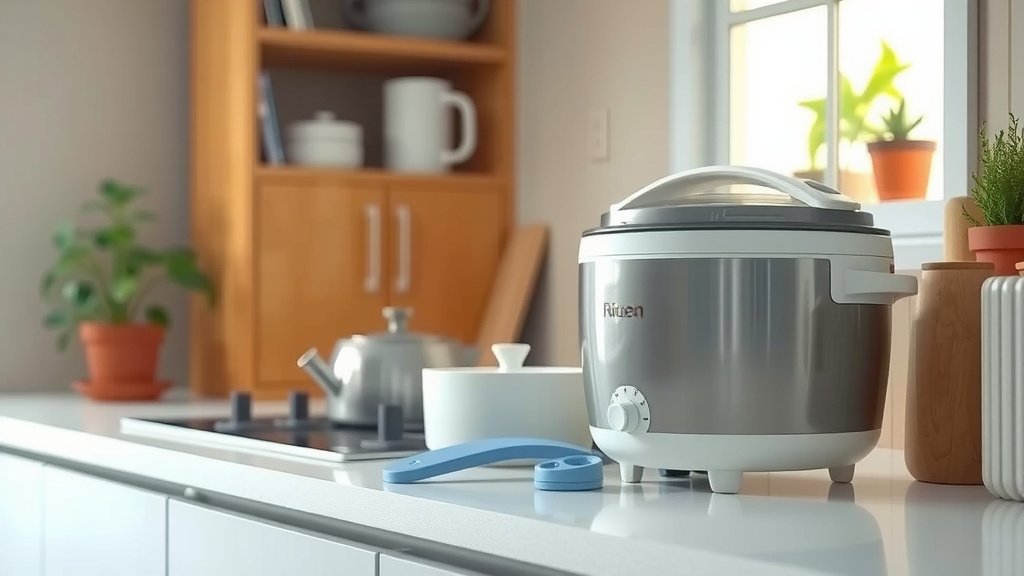
Conclusion
You’ve learned that finding the right spot for your rice cooker is about smart organization and convenience. Whether you choose a cabinet, pantry, or countertop, remember to prioritize a dry, accessible, and clean location. Keeping it protected from dust and moisture ensures it’s always ready for your next meal.
Take a moment today to assess your kitchen space. Measure your cooker and your potential storage spots. You’ll soon have your rice cooker neatly tucked away, saving you counter space and keeping your kitchen looking tidy.
Frequently Asked Questions
Can I store my rice cooker in an upstairs closet?
An upstairs closet can be a good option if it’s dry and climate-controlled. Avoid closets in areas prone to humidity or temperature extremes. Just ensure it’s easily accessible for when you want to cook rice.
What if my rice cooker has many accessories?
For rice cookers with multiple accessories, look for deeper cabinets or larger pantry shelves. Some people find it helpful to store accessories like steamer baskets in a separate small container. You can also wrap the cord neatly around the base.
Should I cover my rice cooker when storing it?
Yes, using a breathable cloth bag or a dedicated appliance cover is a good idea. This protects it from dust and kitchen grime, especially if it’s stored on the counter or in an open pantry shelf. Avoid plastic covers that can trap moisture.
Is it okay to store my rice cooker near the oven?
It’s best to avoid storing your rice cooker near a heat source like an oven or toaster. Prolonged exposure to heat can damage the appliance’s plastic components over time. Look for a cooler, more stable location.
How do I prevent musty smells in my stored rice cooker?
Always ensure your rice cooker is completely dry before storing it. If storing it in a cabinet or pantry, leave the lid slightly ajar for a day or two to air out. You can also place a small, food-safe moisture absorber packet inside if needed.