Pressure Cooker Venting Position Explained
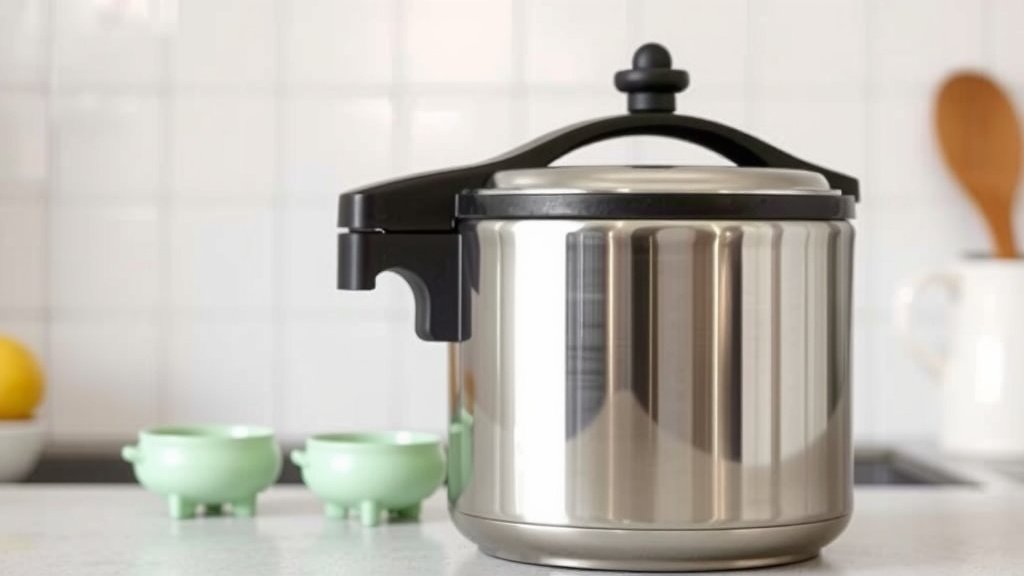
The venting position on a pressure cooker is a specific setting that allows steam to escape. It’s used primarily for recipes that require a gentle release of pressure, like cooking delicate vegetables or preventing foamy foods from sputtering. You’ll often see it labeled as “vent” or “steam.”
Understanding this setting is key to successful pressure cooking. It helps you achieve the perfect texture for your meals. Knowing when to use the venting position can prevent overcooking or undercooking your food, ensuring delicious results every time. It’s all about controlling that build-up of steam.
TL;DR:
- The venting position lets steam escape.
- Use it for gentle pressure release.
- Good for vegetables and foamy foods.
- Helps control cooking results.
Let’s dive into what this venting position really means for your cooking and how to use it correctly.
Understanding Your Pressure Cooker’s Venting Position
The venting position on your pressure cooker is more than just a knob or a switch. It’s your control panel for steam. Learning to use it correctly is a key skill for delicious meals. It helps you manage the internal pressure, which is the secret to fast and tender cooking.
What Exactly Does the Venting Position Do?
When you set your pressure cooker to the venting position, you’re essentially opening a valve. This valve allows the built-up steam inside the pot to escape. Think of it like a safety release for the cooker. This controlled release of steam is essential for certain cooking processes.
It’s like letting a little bit of air out of a balloon that’s getting too full. You don’t want it to pop, but you need to manage the pressure. The venting position allows you to do just that with your cooker. It’s an important feature for precise cooking.
Steam Release: The Core Function
At its heart, the venting position is all about steam release. Pressure cookers work by trapping steam, which raises the internal temperature. When you switch to the venting position, you’re letting that trapped steam out. This stops the pressure from building up further and allows for a gentler cooking environment.
When to Use the Venting Position
You’ll use the venting position during two main phases: natural release and quick release. Natural release involves letting the pressure drop on its own while the cooker is still on the venting setting. Quick release means actively opening the vent to let steam out rapidly.
The choice between natural and quick release depends entirely on what you’re cooking. Some foods benefit from a slow pressure drop, while others need a fast one. Knowing the difference will help you avoid mushy vegetables or dry meats.
The Role of Venting in Pressure Cooking Methods
Pressure cooking offers a few ways to manage the steam and pressure. The venting position is central to two of these methods: Natural Release and Quick Release. Understanding how they differ is vital for getting the best results from your recipes.
Natural Pressure Release (NPR) Explained
Natural Pressure Release is a method where you turn off the heat and let the pressure inside the cooker dissipate on its own. You typically set the steam release valve to the venting position, but you don’t force the steam out. The pressure slowly drops over time.
This process can take anywhere from 10 to 30 minutes, sometimes longer. It’s a gentle way to finish cooking. Foods like tough cuts of meat, beans, and stews benefit from NPR. The slow pressure drop allows the fibers in the meat to relax and reabsorb moisture.
Why NPR is Great for Certain Foods
Research suggests that NPR helps maintain the moisture content in foods. This is particularly true for items that can become dry or tough if the pressure drops too quickly. For instance, a pot roast cooked with NPR will be incredibly tender and juicy. It allows the cooking process to finish more gradually, resulting in a more uniform texture throughout.
Quick Pressure Release (QPR) Explained
Quick Pressure Release, on the other hand, involves manually opening the steam release valve. Once the cooking time is up, you’ll carefully move the valve to the venting position. This allows the steam to escape rapidly. You’ll see a cloud of steam shoot out from the vent.
This method is much faster than NPR, often taking only a minute or two. It’s ideal for foods that can overcook easily. Think delicate vegetables like broccoli or asparagus, or seafood like fish and shrimp. A rapid pressure drop helps them retain their crispness and vibrant color.
When QPR is Your Best Bet
When you want to stop the cooking process instantly, QPR is the way to go. This prevents overcooking, which can turn fresh vegetables into mush. It’s like hitting the pause button on your cooking. Many recipes call for QPR specifically to maintain the freshness and texture of the ingredients.
Venting Position vs. Sealing Position: A Quick Comparison
Your pressure cooker likely has at least two main settings for the steam release valve: venting and sealing. Understanding the difference is fundamental to using your appliance safely and effectively. They are two sides of the same coin, controlling steam flow.
| Setting | Function | When to Use | Example Foods |
|---|---|---|---|
| Venting | Allows steam to escape, controlling pressure. | During quick release, or for recipes needing steam escape. | Delicate vegetables, fish, steaming. |
| Sealing | Traps steam inside, building pressure. | During the main cooking time to reach high pressure. | Meats, beans, grains, stews. |
The sealing position is where the magic of high-pressure cooking happens. Steam is trapped, and the internal temperature climbs rapidly. This is how you get those tough cuts of meat tender in a fraction of the time. Once cooking is done, you’ll transition to the venting position to release that trapped pressure.
Tips for Safe and Effective Venting
Using the venting position requires a bit of care. Steam is incredibly hot, so safety is always the top priority. Following a few simple guidelines will ensure you have a positive pressure cooking experience.
Always Be Mindful of the Steam
When you switch the valve to the venting position, especially for a quick release, stand back. The steam will erupt from the vent. Never place your hand, face, or any sensitive body parts directly over the vent. Keep children and pets away from the cooker during this process.
Know Your Cooker’s Vent Type
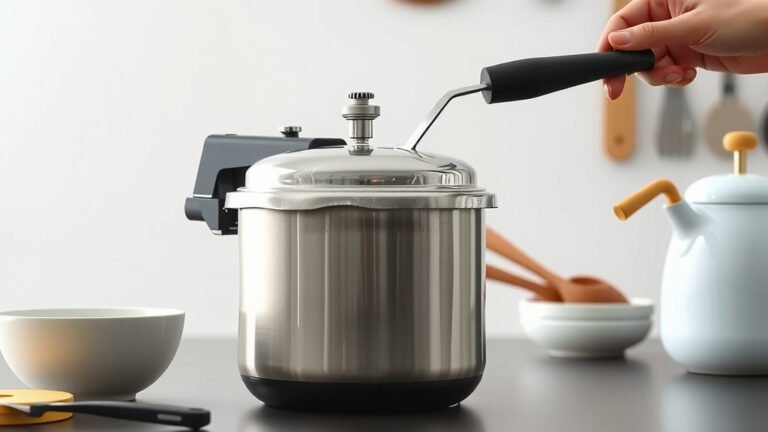
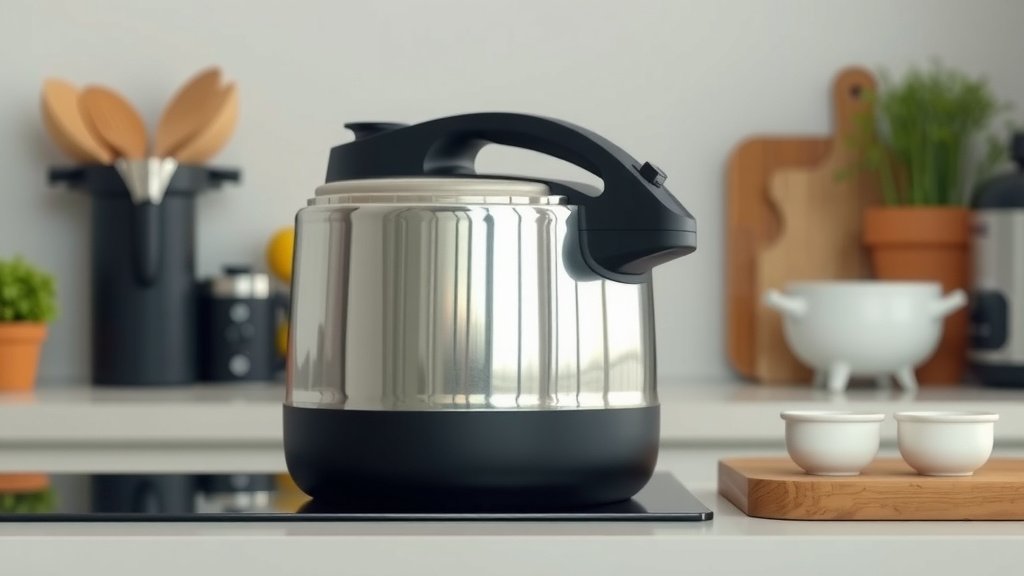
Some pressure cookers have a manual knob that you turn. Others have a lever. Familiarize yourself with how your specific model operates. You can usually find this information in your cooker’s instruction manual. Knowing your vent type helps prevent accidental burns.
Listen and Observe
Pay attention to the sound of the steam escaping. It should be a steady hiss. If it sounds irregular or sputtering, check your manual or consult online resources for your model. Sometimes, a small piece of food can block the vent.
When in Doubt, Let it Natural Release
If you’re unsure whether to use quick release or natural release, or if something feels off, defaulting to natural release is usually the safest option. It takes longer, but it’s far less likely to cause issues with your food or your safety. We found that most recipes are forgiving when it comes to a slightly longer release time.
A Quick Venting Checklist:
- Read your pressure cooker’s manual.
- Identify your steam release valve type.
- Always stand clear during steam release.
- Never place hands or face over the vent.
- If unsure, opt for Natural Pressure Release.
- Ensure the vent is clear of debris.
Conclusion
You’ve learned that the venting position on your pressure cooker is your control for steam release. It’s the key to managing pressure for perfect results, whether you’re aiming for tender meats with natural release or crisp veggies with a quick release. Mastering this simple setting means fewer cooking mishaps and more delicious meals.
Now that you understand its role, you’re ready to tackle more recipes with confidence. Next time you cook, remember to check your manual and prioritize safety when handling that hot steam. Happy pressure cooking!
Frequently Asked Questions
Can I use the sealing position when I mean to vent?
No, never. The sealing position traps steam to build pressure, which is the opposite of what you want when venting. Using the sealing position when you intend to vent could lead to dangerous pressure buildup. Always ensure the valve is set to the correct position for your recipe step.
What happens if I don’t vent my pressure cooker correctly?
If you don’t vent your pressure cooker correctly, you risk either undercooking your food or overcooking it. Incorrect venting can also prevent the cooker from reaching the right pressure or cause a rapid, uncontrolled release of steam. This can lead to uneven cooking and potentially unsafe conditions.
How do I know if my pressure cooker’s vent is blocked?
You’ll usually know your vent is blocked if steam isn’t escaping when it should be, or if it’s escaping very slowly and unevenly. You might also hear sputtering sounds. If you suspect a blockage, turn off the heat immediately and consult your cooker’s manual for cleaning instructions.
Is it safe to place my hand over the vent to check for steam?
Absolutely not. Steam released from a pressure cooker is extremely hot and can cause severe burns. Always stand back and keep your hands, face, and any sensitive body parts away from the vent when releasing pressure. Use a long utensil if you need to adjust the valve.
What’s the difference between “vent” and “steam” on my cooker?
For most pressure cookers, “vent” and “steam” are just different labels for the same function. They both indicate the position where steam is allowed to escape from the pot. Your manual will clarify the exact terminology for your specific model.