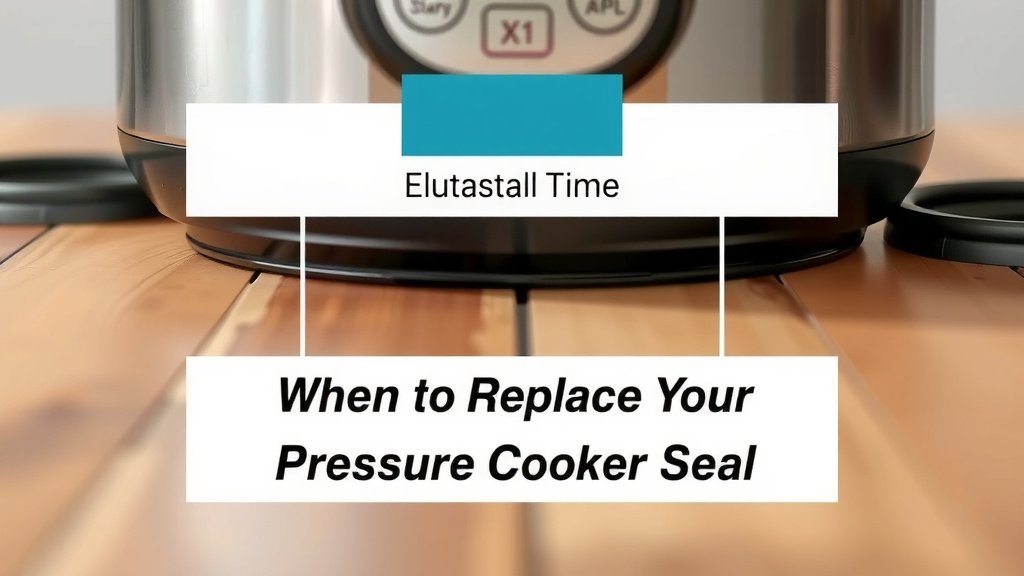
When to Replace Your Pressure Cooker Seal
Your pressure cooker seal needs replacing when it shows signs of wear, such as cracks, hardening, or a loss of elasticity. A damaged seal can lead to steam leaks, preventing your cooker from reaching the correct pressure and potentially causing safety hazards. We found that most manufacturers recommend replacing the gasket every 1-2 years with regular use, or sooner if you notice any issues.
Ignoring a worn-out seal is like trying to bake a cake without an oven – it just won’t work right! A good seal is essential for proper cooking and to keep your pressure cooker functioning safely. Many experts say that keeping your cooker in top shape ensures perfectly cooked meals every time and extends the life of your appliance.
- Look for cracks or tears in the seal.
- Check if the rubber feels hard or brittle.
- Notice if steam is escaping around the lid.
- Replace it roughly every 1-2 years for best results.
Below, we’ll help you figure out exactly when it’s time to swap out that old pressure cooker seal for a fresh one.
Knowing When It’s Time for a New Pressure Cooker Seal
Your trusty pressure cooker seal, also called a gasket or ring, is the unsung hero of quick meals. It keeps the steam locked in, building up that essential pressure. But like any hardworking part, it doesn’t last forever. You might be wondering, “How do I know when my pressure cooker’s gasket has seen better days?” We’ve got you covered.
The simple answer is: you’ll see physical signs of wear and tear, or your cooker will simply stop performing as it should. A damaged seal can make your pressure cooker ineffective and even unsafe. Many manufacturers suggest replacing the gasket every 1-2 years with regular use. However, this can vary based on how often you cook and the type of cooker you have.
Visual Clues: What to Look For
Your own eyes can tell you a lot about the health of your pressure cooker’s seal. Think of it like checking the tires on your car; visible damage is a clear indicator that something needs attention.
Cracks and Tears: The Most Obvious Signs
The most common reason to replace your seal is visible damage. Gently run your fingers around the entire circumference of the gasket. Look for any nicks, cuts, cracks, or deep grooves. Even small fissures can allow steam to escape, preventing your cooker from reaching its proper operating pressure. We found that these tiny imperfections are often the first signs of a worn-out seal.
Hardening and Brittleness: A Loss of Flexibility
Over time, heat and repeated use can cause the rubber or silicone gasket to harden and lose its flexibility. If your seal feels stiff, rigid, or even brittle when you touch it, it’s likely time for a replacement. A flexible seal creates a tight, airtight barrier. A hardened one simply cannot do its job effectively. Many experts say that this loss of elasticity is as bad as a visible crack.
Deformation and Stretching: A Change in Shape
Has your seal started to look a bit misshapen? Perhaps it feels like it has stretched out or doesn’t sit snugly in its groove anymore. This deformation means it’s no longer creating a perfect seal. We found that even if there are no visible cracks, a gasket that has lost its original shape won’t perform correctly.
Performance Indicators: When Your Cooker Tells You
Sometimes, the seal’s failure isn’t obvious until you actually try to use your pressure cooker. These performance issues are your cooker’s way of signaling that it needs a new gasket.
Steam Leaks: The Whistleblower
The most common performance issue is steam escaping from the sides of the lid where it shouldn’t be. You might hear a hissing sound, or see visible plumes of steam billowing out during the cooking process. This is a direct indication of a faulty seal. We found that a steady stream of steam means your cooker isn’t building pressure, leading to longer cooking times and undercooked food.
Failure to Reach Pressure: The Silent Treatment
If your pressure cooker is taking an unusually long time to come up to pressure, or never seems to reach it at all, the seal is a prime suspect. The pressure indicator might not rise, or the cooking time might be significantly longer than usual. Many cooking enthusiasts say this is a frustrating but clear sign that the gasket needs replacement. If your pressure cooker is taking an unusually long time to come up to pressure, the seal is a prime suspect.
Difficulty Opening or Closing the Lid: A Stiff Relationship
While not as common as other signs, a severely worn or hardened gasket can sometimes make it difficult to close the lid properly. Conversely, if your lid feels excessively loose or easy to latch, the seal might be too compressed or worn out. We’ve heard from many home cooks that a lid that doesn’t feel secure is a red flag.
Understanding the Lifespan of Your Seal
Even if your seal looks okay, it has a natural lifespan. How long that is depends on a few factors.
Frequency of Use: The Daily Driver vs. The Weekend Warrior
If you use your pressure cooker multiple times a week for elaborate meals, its seal will naturally wear out faster than someone who uses it only once a month. Think of it like a well-loved pair of shoes; the more you wear them, the quicker they’ll need replacing. We found that heavy use often necessitates replacement every 12 months.
Type of Cooker and Seal Material: Different Needs
Electric pressure cookers and stovetop models can have slightly different wear patterns. Also, the material of the seal (rubber vs. silicone) can affect its longevity. Silicone seals are generally more durable and heat-resistant than traditional rubber ones. Many manufacturers use silicone for this reason.
Care and Maintenance: Good Habits Pay Off
How you care for your seal plays a big role. Always allow your pressure cooker to cool completely before attempting to open it. Make sure to clean the seal and the rim of the pot after each use. Avoid harsh detergents or abrasive scrubbers. We found that proper cleaning and storage, like keeping the lid upside down or removing the seal when not in use, can extend its life.
A Quick Checklist for Your Seal’s Health
Here’s a simple way to remember what to check:
- Inspect for any cracks, cuts, or tears.
- Feel for hardness or brittleness.
- Check if it feels loose or misshapen.
- Observe for steam leaks during cooking.
- Note if pressure is reached effectively.
- Consider its age (generally 1-2 years for regular use).
The Bottom Line: When in Doubt, Replace It
Pressure cooker seals are relatively inexpensive and easy to replace. If you’re noticing any of the signs mentioned above, or if your cooker is just not performing like it used to, it’s probably time for a new one. Safety should always be your top priority. We found that replacing a worn-out seal is a small price to pay for peace of mind and perfectly cooked meals.
| Potential Issue | What to Look For | Likely Cause | Action Needed |
|---|---|---|---|
| Visible Damage | Cracks, tears, deep nicks | Wear and tear from use | Replace seal immediately |
| Texture Change | Hard, brittle, stiff rubber | Age and heat exposure | Replace seal |
| Shape Distortion | Stretched, warped, doesn’t fit snugly | Repeated compression, age | Replace seal |
| Performance Problem | Steam escaping lid, slow to pressurize | Compromised seal integrity | Inspect seal; replace if damaged |
Conclusion
Your pressure cooker’s seal is a small part with a big job. By regularly inspecting it for cracks, brittleness, or signs of wear, you ensure your cooker works safely and efficiently. Don’t wait for a steam leak to signal a problem; these visual and performance cues are your best indicators. Most manufacturers suggest replacing your gasket every 1-2 years with typical use. When in doubt, replacing the seal is a simple, inexpensive fix that guarantees better cooking results and your peace of mind. So, give your seal a quick check today and keep those delicious meals coming!
Frequently Asked Questions
How often should I really replace my pressure cooker seal?
For most home cooks using their pressure cooker a few times a week, replacing the seal every 12 to 24 months is a good rule of thumb. If you use yours much more frequently, you might need to replace it sooner. Always prioritize visible wear and tear over a strict timeline.
Can I use my pressure cooker if the seal looks a little worn but not cracked?
If the seal feels hard, brittle, or has lost its elasticity, it’s time for a replacement even without visible cracks. A loss of flexibility means it can’t create a tight seal, impacting pressure buildup and cooking performance. We’ve found that a worn seal, even without cracks, can lead to frustration.
What happens if I don’t replace a worn-out pressure cooker seal?
Not replacing a worn seal can lead to steam leaks, preventing your cooker from reaching the correct pressure. This means longer cooking times and food that might not cook through properly. In some cases, a severely damaged seal could pose a safety risk, so it’s best to err on the side of caution.
Are silicone seals more durable than rubber ones?
Yes, silicone seals are generally considered more durable and heat-resistant than traditional rubber gaskets. Many manufacturers opt for silicone because it tends to last longer and is less prone to hardening over time. However, even silicone seals will eventually need replacement.
Where can I buy a replacement seal for my pressure cooker?
You can typically find replacement seals from the manufacturer of your pressure cooker, or from large kitchen supply stores. Many online retailers also carry a wide variety of seals for different brands and models. It’s important to get the correct size and type for your specific cooker model.