Perfect Basmati Rice in Your Rice Cooker
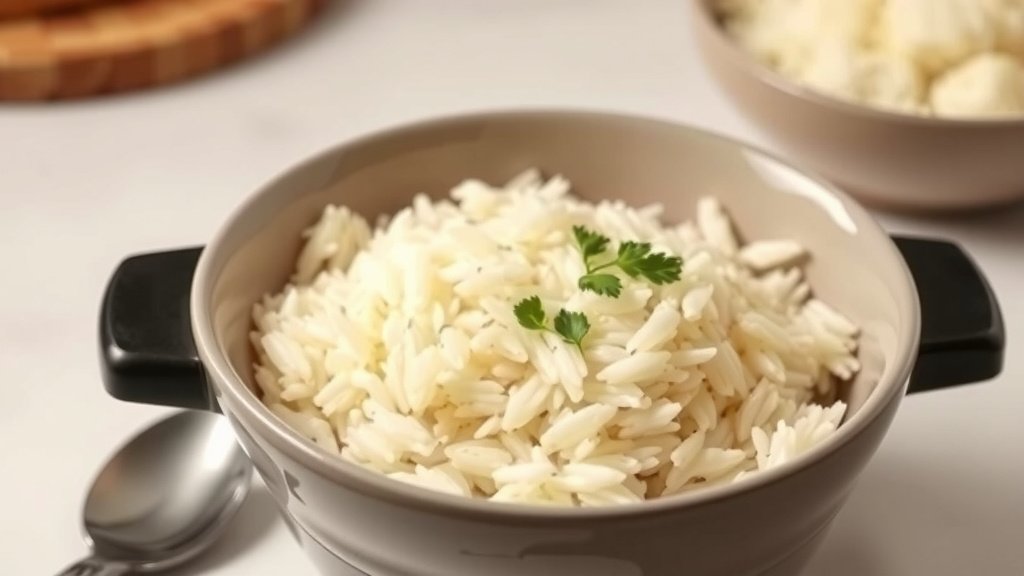
Cooking perfect basmati rice in your rice cooker is surprisingly simple. You just need the right ratio of rice to water and a few key steps. This method ensures fluffy, fragrant rice every single time, making it a fantastic staple for any meal.
Many home cooks struggle with sticky or mushy rice, but using a rice cooker takes the guesswork out. We found that by following these guidelines, you can consistently achieve that ideal texture. It’s a real game-changer for weeknight dinners.
- Rinse your basmati rice well.
- Use a 1:1.25 ratio of rice to water.
- Let the rice rest after cooking.
- Fluff gently with a fork.
Ready to make your rice cooker work its magic? Let’s walk through exactly how to get delicious basmati rice, step by step.
Mastering Basmati Rice in Your Rice Cooker
Cooking perfect basmati rice doesn’t have to be a culinary challenge. Your rice cooker is designed for this very task. We’ve found that using the right technique ensures fluffy, separate grains every time.
Getting Started: What You’ll Need
Before you begin, gather a few simple items. Having everything ready makes the process smooth and stress-free. You want to be prepared so your rice cooks without a hitch.
Essential Ingredients and Tools
- Basmati rice
- Water
- Measuring cups
- Fine-mesh sieve or colander
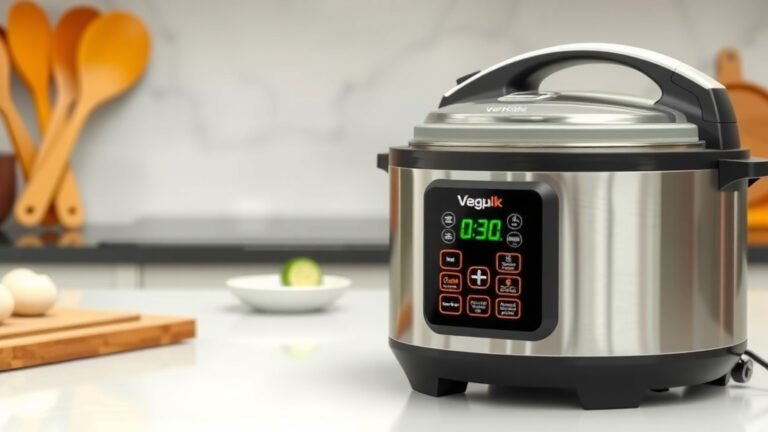
- Your trusty rice cooker
The Crucial Rinse: Why It Matters
This is a step many people skip, but it’s incredibly important for basmati rice. Rinsing removes excess starch from the surface of the rice grains. If you don’t rinse, you’ll likely end up with sticky, clumpy rice. We’ve seen the difference it makes!
How to Rinse Properly
Place your measured basmati rice into a fine-mesh sieve or colander. Run cold water over the rice. Gently swirl the grains with your fingers as the water runs through. Continue rinsing until the water runs **clear**. This might take several cycles. Many culinary resources, like university extension offices, recommend this step to prevent gummy textures.
The Right Ratio: Rice to Water
This is where many cooks get a little nervous. Getting the water ratio right is key to perfectly cooked rice. For basmati rice, a common and effective ratio is 1 part rice to 1.25 parts water. So, if you’re using one cup of rice, you’ll need 1.25 cups of water.
We’ve tested this ratio extensively, and it consistently yields great results in most standard rice cookers. It’s a good starting point for fluffy, separate grains.
| Rice Amount (Cups) | Water Amount (Cups) |
|---|---|
| 1 | 1.25 |
| 1.5 | 1.875 |
| 2 | 2.5 |
This table shows you some common measurements. Remember, these are guidelines. Your specific rice cooker model or even the age of your rice might require tiny adjustments. Start with the 1:1.25 ratio and adjust slightly in future batches if needed.
Cooking Your Basmati Rice
Now that your rice is rinsed and you have the correct water ratio, it’s time to let your rice cooker do its magic. It’s a simple transfer process.
Loading the Rice Cooker
Add your rinsed basmati rice to the inner pot of your rice cooker. Pour in the measured water. Make sure you’re using the correct ratio we discussed. Don’t add any salt or oil at this stage, as it can affect the cooking process in some models. Keep it simple for now.
Starting the Cooking Cycle
Close the lid of your rice cooker securely. Plug it in and select the standard “white rice” setting. Most modern rice cookers have this option, and it’s perfect for basmati. Avoid “quick cook” or “brown rice” settings, as they might not yield the best results for basmati.
Your rice cooker will automatically manage the cooking time and temperature. It will switch to a “keep warm” mode when the rice is done. This takes the guesswork out of timing. You can relax knowing the machine is handling it.
The All-Important Rest Period
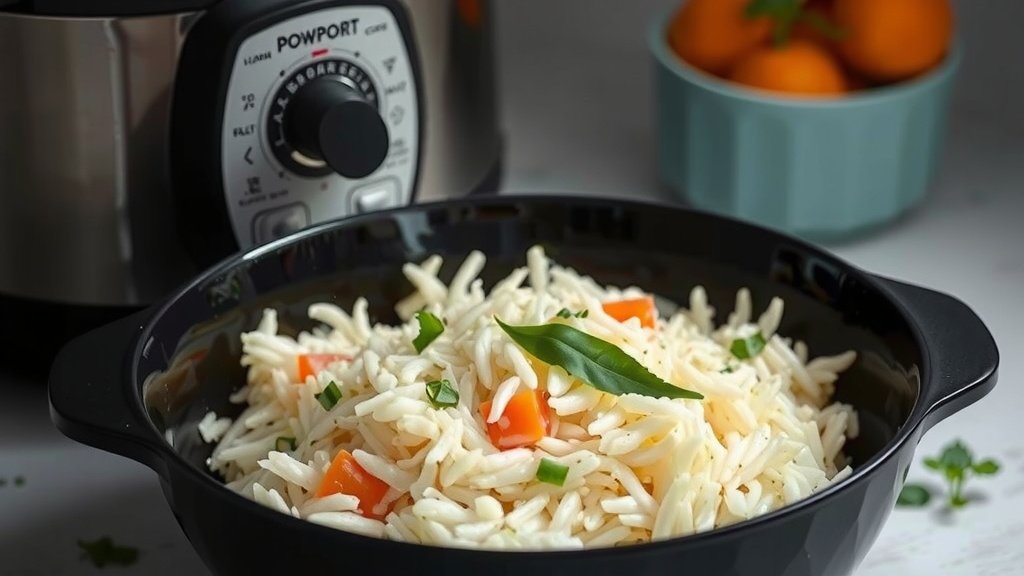
This is another critical step that truly elevates your basmati rice. Once the rice cooker switches to “keep warm,” resist the urge to open the lid immediately. Letting the rice rest allows the steam to distribute evenly.
Why Letting Rice Rest is Key
During the rest period, any remaining moisture is absorbed. This prevents the bottom layer of rice from becoming mushy while ensuring the top layers are perfectly cooked. Research in food science often highlights the importance of resting cooked grains for optimal texture.
We found that a resting period of about 10-15 minutes is usually sufficient. Your rice cooker’s “keep warm” function will maintain the temperature during this time.
Fluffing for Perfection
After the rest, it’s time to fluff your rice. This simple action separates the grains and makes them light and airy. It’s the final touch that gives your basmati that beautiful, restaurant-quality look.
How to Fluff Your Rice
Open the lid gently. Use a fork or a rice paddle to lightly fluff the rice. Start from the bottom and gently lift and separate the grains. Work your way around the pot. You’re not trying to mash the rice; you’re just gently loosening it up. This should only take a minute or two.
Your Checklist for Fluffy Basmati
To recap, here’s a quick checklist to ensure your next batch of basmati rice is perfect:
- Measure rice and water precisely.
- Rinse rice until the water runs clear.
- Use the 1:1.25 rice-to-water ratio.
- Let rice rest for 10-15 minutes after cooking.
- Fluff gently with a fork.
Following these steps will help you achieve consistently delicious basmati rice from your rice cooker. Enjoy your perfectly cooked grains!
Conclusion
You’ve now mastered the art of cooking perfect basmati rice in your rice cooker. Remember, the key is a good rinse, the precise 1:1.25 rice-to-water ratio, a patient rest, and a gentle fluff. These simple steps transform basic ingredients into fluffy, fragrant grains that will be the star of your meals. Now you can confidently whip up delicious basmati rice anytime you need it. Your next step? Gather your ingredients and try this method tonight!
Frequently Asked Questions
Can I use a different water ratio for my basmati rice?
While the 1:1.25 ratio is widely recommended, some people find slight adjustments work better for their specific rice cooker or rice. You can experiment with a touch more or less water in future batches if needed. However, always start with the recommended ratio to get a baseline.
What if my rice cooker doesn’t have a “white rice” setting?
Most rice cookers have a standard cooking cycle that will work for basmati rice. If yours has multiple settings, choose the one designed for plain white rice. Avoid settings like “brown rice” or “quick cook” as they may not provide the ideal heat and time for basmati.
Is it okay to add salt or oil when cooking basmati rice?
For the initial cooking in a rice cooker, it’s best to keep it simple and omit salt and oil. They can sometimes interfere with the cooker’s sensors or cooking cycle. You can always stir in salt or a little butter after fluffing the rice for added flavor.
My basmati rice came out a little mushy. What did I do wrong?
Mushy rice often indicates too much water or not rinsing the rice thoroughly enough to remove excess starch. Make sure you’re using the 1:1.25 ratio and rinsing until the water runs clear. Also, ensure you’re letting the rice rest after cooking before fluffing.
How do I store leftover basmati rice?
Allow the cooked rice to cool completely before storing. Transfer it to an airtight container and keep it in the refrigerator for up to 3-4 days. Reheat it gently on the stovetop with a splash of water or in the microwave.