Cooker Energy Rating Explained: Save Money and Energy
Cooker energy ratings are a simple way to understand how efficient your kitchen appliance is. Essentially, they tell you how much electricity or gas your cooker uses for its performance. Higher ratings mean better energy efficiency, saving you money and helping the environment.
Understanding these ratings helps you make a smart purchase for your home. You’ll find them on new cookers, showing their environmental impact. It’s like a quick guide to your cooker’s energy footprint. This helps you avoid high utility bills down the line.
- Energy ratings show how much power your cooker uses.
- Higher ratings mean more energy efficiency and lower bills.
- They help you choose a cooker that’s good for your wallet and the planet.
- Look for these ratings when buying a new cooker.
Let’s break down what those cooker energy ratings really mean for your kitchen and your energy bills.
Understanding Your Cooker’s Energy Use
Figuring out how much energy your cooker uses doesn’t have to be rocket science. Energy ratings are here to make it simple for you. Think of them as a report card for your appliance. They tell you how well your cooker performs without wasting too much electricity or gas. The goal is to help you choose a cooker that’s kind to your wallet and the planet.
Decoding the Energy Label
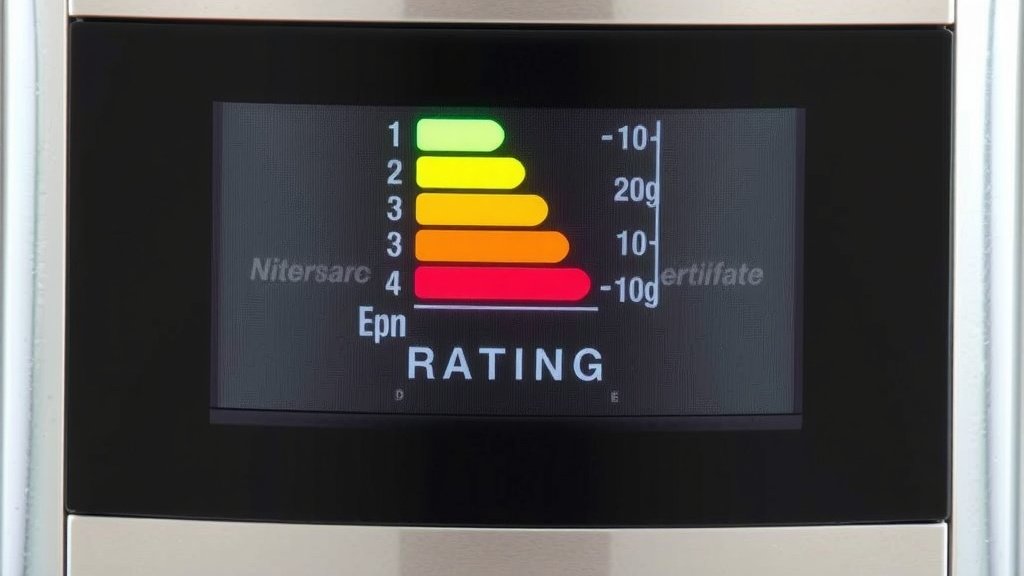
You’ll see these ratings on a sticker attached to new cookers when you’re shopping. It’s often a colorful bar with letters. These labels have been used for many years. They help consumers make informed decisions about energy consumption. Many countries use similar labeling systems. This ensures a consistent way to compare appliances.
The A to G Scale Explained
The most common energy rating scale runs from A to G. This is like a grading system. An ‘A’ rating is the best you can get. It means your cooker is super energy efficient. A ‘G’ rating is the least efficient. It means the cooker uses more energy than it needs to. Most cookers you see today will fall somewhere in the middle. You’ll likely see ratings like A+, A++, and A+++ on older models. Newer labels simplify this to just A to G.
What “Efficient” Really Means for Your Kitchen
When we say efficient, we mean using less energy to do the same job. For a cooker, this could be baking a cake or roasting a chicken. An efficient cooker will use less electricity or gas to reach and maintain the right temperature. This translates directly into lower utility bills for your household. It’s a win-win situation!
Why Newer Ratings are Simpler
You might have seen older cookers with ratings like A+++. The European Union updated the system. The new labels now use a simpler A to G scale. This makes it easier to compare models across different brands. It also encourages manufacturers to make even more efficient appliances. The old system had become crowded at the top. The new scale gives more room for innovation. We found that this change helps consumers make quicker, clearer choices.
Key Components and Their Ratings
Many modern cookers have multiple parts. These can include an oven and a hob (the stovetop). Each part might have its own energy rating. Some labels show an overall rating for the appliance. Others might break it down. This is important because one part might be more efficient than another. You should check the specific rating for the parts you use most often.
Oven Efficiency
The oven is often the biggest energy user in a cooker. Its rating tells you how efficiently it heats up and holds temperature. Technologies like better insulation and more precise thermostats improve oven efficiency. We found that ovens with a good A rating can save a noticeable amount on your energy bills over time.
Hob Efficiency
Your hob’s efficiency rating tells you how well it transfers heat to your pots and pans. Different hob types have different efficiencies. For example, induction hobs are generally more efficient than ceramic or gas hobs. They heat the pan directly. This means less heat escapes into the surrounding air. Many experts say induction hobs are a great choice for energy savings (Energy Star).
How Energy Ratings Affect Your Bills
The energy rating is a direct indicator of how much your cooker will cost to run. A cooker with a higher rating (closer to A) will generally have lower running costs. A cooker with a lower rating (closer to G) will use more energy. This means higher monthly bills. Over the lifespan of the appliance, the savings can really add up.
Calculating Potential Savings
While the label gives you a general idea, actual savings depend on usage. How often do you cook? What temperatures do you use? Do you use the oven or hob more? We found that a family that bakes frequently will see bigger differences between a high and low-rated oven. Think of it like buying a car. A fuel-efficient car costs less to drive daily.
Here’s a quick way to think about it:
- High Rating (A): Uses less energy, costs less to run.
- Low Rating (G): Uses more energy, costs more to run.
Choosing the Right Cooker for Your Home
When you’re in the market for a new cooker, pay close attention to the energy label. Don’t just look at the price tag. Consider the long-term running costs. A slightly more expensive cooker with a great energy rating could save you money over the years. It’s a wise investment for your household budget.
Where to Find the Information
The energy label is usually right on the appliance in the store. If you’re shopping online, the energy rating should be clearly displayed in the product description. Retailers are required to show this information. Manufacturers also provide it on their websites. Make sure you’re looking at the official energy rating and not just a marketing claim.
Making a Smart Purchase: A Checklist
Before you buy, consider these points:
- Check the overall energy rating. Aim for the highest possible.
- Look at individual component ratings. Focus on oven and hob.
- Compare running costs. Estimate based on your cooking habits.
- Consider the appliance size. Don’t buy a huge oven if you only cook for one. Consider the appliance size, as larger cookers may use more energy.
- Read reviews. See what other users say about efficiency.
- Factor in your usage frequency. Heavy users benefit most from high ratings.
Beyond the Rating: Other Energy-Saving Tips
Even with an energy-efficient cooker, you can do more. Simple habits can reduce energy use. For example, don’t preheat your oven for longer than necessary. Use the correct size pots and pans for your hob. Keep oven doors closed while cooking. Many experts suggest using a microwave for small tasks, as it uses less energy than a full-sized oven (U.S. Department of Energy).
Using Your Cooker Wisely
Think about meal planning. Can you cook multiple dishes at once? Use the residual heat from the hob and oven after turning them off. This uses less energy. Cleaning your cooker regularly also helps. A clean oven heats more evenly. It means less time needed to cook your food.
Your cooker’s energy rating is a powerful tool. It helps you make a choice that benefits both your finances and the environment. By understanding these labels, you’re taking a big step towards a more energy-conscious kitchen.
Conclusion
You now understand cooker energy ratings. They are a straightforward way to gauge your appliance’s efficiency. A higher rating means lower energy use and costs. This benefits both your budget and the environment. Making an informed choice now saves you money later. When you shop for your next cooker, prioritize the energy label. Look for the highest rating (A) you can find. This simple step leads to a more energy-conscious kitchen. Start looking at those labels today for smarter appliance shopping.
Frequently Asked Questions
Do I need to worry about gas cooker energy ratings?
Yes, gas cookers also have energy ratings, though they are less common than electric ones in some markets. The principle is the same: a higher rating means better efficiency. These ratings help you compare gas models and understand their fuel consumption.
Are older cookers with A+++ ratings still good?
Yes, cookers with older, higher ratings like A+++ are still very efficient. The newer A to G scale is designed for easier comparison. If you have an older appliance, compare its efficiency to current models based on general efficiency principles.
How much money can a high energy rating cooker save me?
The amount you save varies based on your cooking habits and local energy prices. Research suggests that switching to a high-rated cooker can lead to noticeable savings over its lifetime. Consistent use of an efficient appliance directly lowers your utility bills.
Does the oven or hob rating matter more?
Both ratings are important, but the oven is often the primary energy consumer. If you use your oven frequently, its rating will have a bigger impact on your energy bills. However, a highly efficient hob also contributes to overall savings.
Where can I find the energy rating for my current cooker?
For your current cooker, you can often find the energy rating information in the user manual. If you no longer have it, a quick search online using your cooker’s model number should provide the details. Some manufacturers also have databases of their older appliances.