Your First Slow Cooker Meal: A Simple Beginner’s Guide
Using your slow cooker for the first time is easier than you think! You just need to understand a few basic steps to get started. It’s a simple way to make delicious meals with minimal effort.
Slow cookers, also known as crock pots, are kitchen workhorses. They cook food at low temperatures for extended periods. This method helps tenderize tougher cuts of meat and meld flavors beautifully. Many home cooks rely on them for weeknight dinners and meal prep.
- Prep ingredients by chopping and measuring.
- Place ingredients into the slow cooker insert.
- Add liquid according to your recipe.
- Set the cooking time and temperature.
- Let your slow cooker work its magic!
Ready to get cooking? Let’s walk through how to use your slow cooker for the first time, step by step.
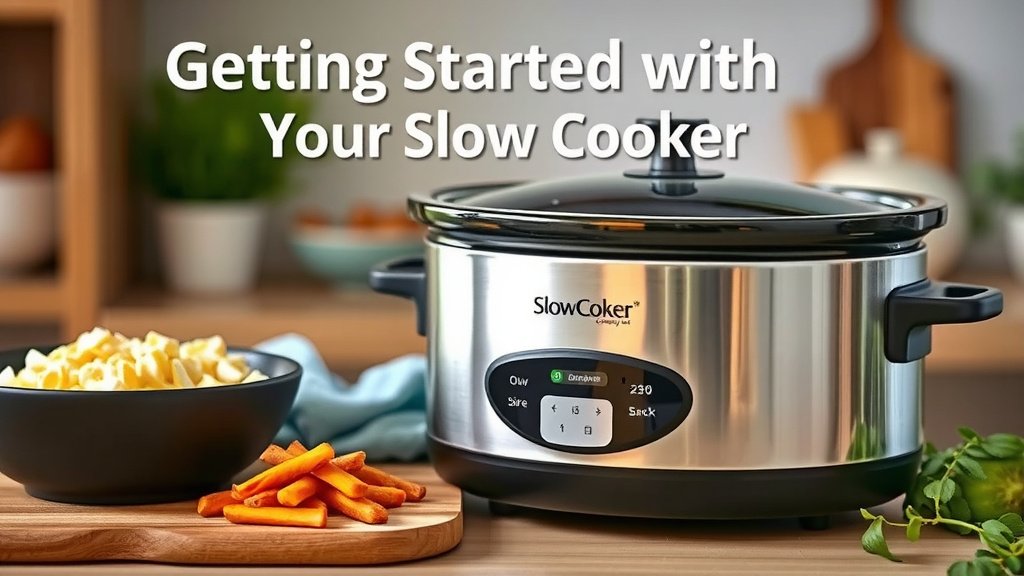
Getting Started with Your Slow Cooker
So, you’ve got a slow cooker, and you’re ready to cook your first delicious meal. That’s fantastic! It’s one of the easiest kitchen appliances to use. You simply prep your ingredients, put them in, and let the cooker do the rest. Think of it as your kitchen’s personal sous chef.
Understanding Your Slow Cooker’s Parts
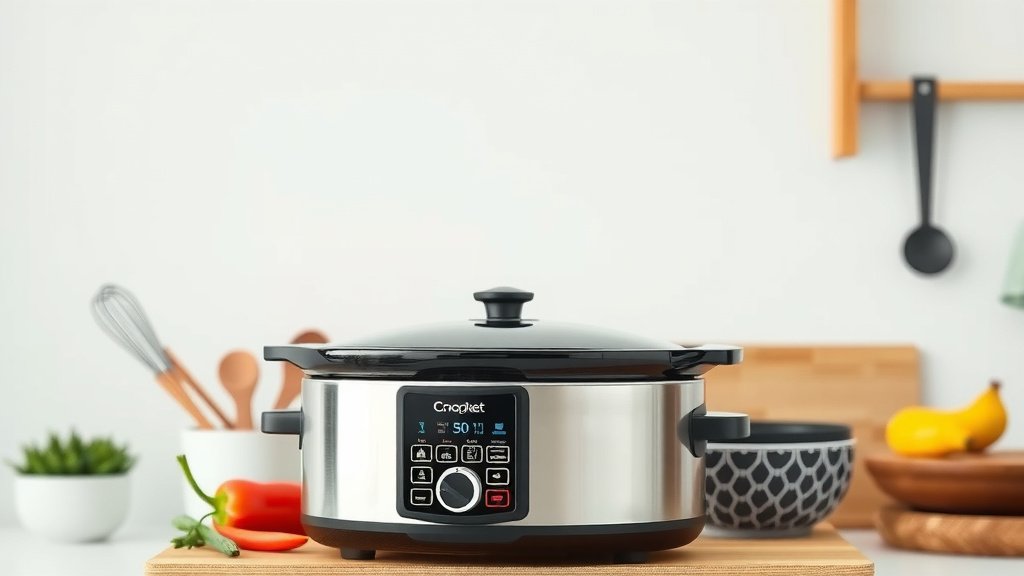
Before you plug it in, take a moment to get acquainted with its main components. Most slow cookers have three key parts. There’s the outer casing, which houses the heating element. Then comes the insert pot, usually made of ceramic or stoneware. This is where all your yummy food goes. Finally, there’s the lid, which seals in the heat and moisture. Make sure the lid fits snugly – a good seal is key to proper cooking.
Choosing Your First Recipe
The best way to start is with a simple recipe. Think about dishes you already love. Many recipes are designed specifically for slow cookers. You can find thousands online or in cookbooks. For beginners, recipes with fewer ingredients are often a good choice. Stews, chilis, and pulled pork are popular starting points. They are forgiving and tend to turn out wonderfully.
What Makes a Good Beginner Recipe?
Look for recipes that don’t require a lot of pre-cooking. Some recipes might ask you to brown meat first. While this adds flavor, it’s an extra step. Many slow cooker recipes are “dump and go,” meaning you can add everything directly from the package. This is ideal for your first try. Also, consider recipes where the ingredients cook for a long time. Tougher cuts of meat become incredibly tender this way.
Preparing Your Ingredients
Preparation is where the magic begins. You’ll want to have all your ingredients ready before you start assembling. This means chopping vegetables, measuring spices, and opening cans. It makes the process smooth and stress-free. Imagine trying to find a spice while your onions are already burning – not ideal!
Chopping and Measuring
Most recipes will tell you how to cut your ingredients. Some may call for large chunks, others for diced pieces. Try to make the pieces roughly the same size. This helps them cook evenly. For example, if you’re making a stew with carrots and potatoes, cutting them into similar-sized cubes ensures they’re both tender at the same time. Always measure your spices accurately. Too much or too little can really change the taste.
Assembling Your Meal
This is the fun part! You’ll place your prepared ingredients into the slow cooker insert. A general rule of thumb is to place denser ingredients, like root vegetables and meats, on the bottom. This allows them to cook through. Lighter ingredients, like tender vegetables or leafy greens, can go on top. Don’t overfill your cooker. It should generally be no more than two-thirds full. This allows the heat to circulate properly. Many experts recommend this fill level (National Cooking Association).
The Importance of Liquid
Adding enough liquid is crucial for slow cooking. The slow cooker doesn’t allow much evaporation because the lid seals in moisture. Recipes will specify how much liquid to add, whether it’s broth, water, or sauce. If a recipe calls for a lot of watery vegetables, like tomatoes or zucchini, you might need less added liquid. Too much liquid can make your meal watery. Too little can lead to drying out. Always follow your recipe’s guidance here.
Setting Up and Cooking
Once everything is in the pot and you’ve added your liquid, it’s time to set the controls. This is where you tell your slow cooker what to do.
Choosing the Right Setting: High vs. Low
Most slow cookers have at least two temperature settings: Low and High. There might also be a “Warm” setting. Recipes will specify which setting to use. Generally, cooking on Low takes longer but results in more tender food. Cooking on High is faster, cutting the cooking time almost in half. For your first time, if the recipe allows, Low is often a safer bet. It’s more forgiving if you miscalculate the time slightly.
Here’s a quick look at typical cooking times:
| Setting | Approximate Cooking Time |
|---|---|
| Low | 6-10 hours |
| High | 3-5 hours |
It’s important to note that these are just estimates. Your specific slow cooker model and the ingredients you use can affect the exact timing.
Setting the Timer
Many modern slow cookers have built-in timers. You can set the desired cooking time, and the cooker will automatically switch to the “Warm” setting when it’s done. This is incredibly convenient, especially if you’re going to be out of the house for a while. If your model doesn’t have a timer, you’ll need to manually switch it off or to “Warm” at the correct time. Don’t worry, it’s still very manageable!
A First-Time User Checklist
- Read your slow cooker’s manual.
- Choose a simple, beginner-friendly recipe.
- Prep all ingredients beforehand.
- Don’t overfill the insert pot.
- Ensure the lid is sealed properly.
- Set the correct temperature and time.
Conclusion
You’re now ready to master your slow cooker! We’ve covered the basics, from understanding its parts to preparing your ingredients and setting the right controls. It’s simpler than you might think to create delicious, comforting meals with minimal fuss. Remember to choose a beginner-friendly recipe for your first attempt. Don’t be afraid to experiment once you get the hang of it. Your slow cooker is a fantastic tool for weeknight dinners and meal prep. Your next step? Pick a recipe and plug in that slow cooker!
Frequently Asked Questions
Can I put frozen meat in my slow cooker?
It’s generally best to thaw frozen meat before adding it to your slow cooker. Adding frozen meat can significantly increase cooking time. It may also prevent the meat from cooking evenly and safely. Always check your recipe and slow cooker manual for specific guidance on frozen ingredients.
What if my recipe doesn’t specify High or Low?
If your recipe doesn’t mention a setting, consider the ingredients. For tougher cuts of meat or dishes with many vegetables, Low is often safer and yields tender results. If you’re short on time, High can work, but keep an eye on it to prevent overcooking.
Do I need to stir my food while it’s cooking?
No, the beauty of a slow cooker is that you can “set it and forget it.” You don’t need to stir the food during the cooking process. Lifting the lid releases heat and moisture, which can extend your cooking time. Only stir if the recipe specifically calls for it, usually towards the end.
What’s the deal with the “Warm” setting?
The “Warm” setting is designed to keep your food at a safe temperature after it has finished cooking. It’s perfect for holding a dish for a party or if your dinner time is slightly delayed. It’s not meant for actual cooking, only for keeping already-cooked food warm.
How do I clean my slow cooker insert?
Most slow cooker inserts are dishwasher safe, which makes cleanup a breeze. If you don’t have a dishwasher or prefer to hand wash, simply use warm, soapy water. For stubborn stuck-on food, soak the insert for a bit before scrubbing. Ensure it’s completely dry before storing it.