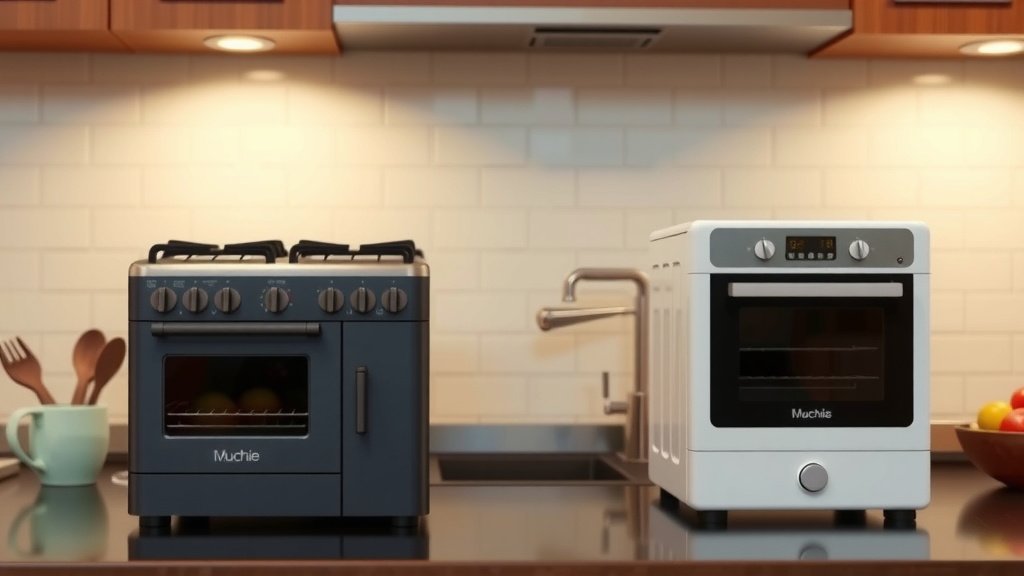
Gas vs Electric Cooker: Which is Right For You
When deciding between a gas cooker vs electric cooker, there’s no single “better” option; it truly depends on your cooking style and priorities. Gas offers instant heat control and is often preferred by chefs for its responsiveness. Electric cookers, especially induction models, provide even heating and are generally easier to clean. We found that many home cooks love gas for its quick adjustments, while others appreciate electric’s consistent temperatures.
Choosing the right cooker can transform your kitchen experience. Gas provides a visible flame for immediate feedback, making it easier to adjust cooking intensity on the fly. Electric, particularly induction, uses magnetic fields for rapid heating and remarkable energy efficiency. Both have their own unique advantages that we’ll look at to help you make the best choice for your home.
- Gas is great for precise temperature control.
- Electric offers even heating and is easy to clean.
- Induction electric is the most energy-efficient.
- Your cooking habits will guide your decision.
Let’s break down the pros and cons of each to help you decide which cooker is the perfect fit for your culinary adventures.
Gas vs. Electric Cooktops: Which Works Best for You?
When you’re standing in front of a new stove, the big question always pops up: gas or electric? Both get the job done, but they do it in very different ways. We’ve found that the best choice really comes down to how you like to cook and what features matter most in your kitchen. Let’s break down the heat!
The Allure of the Gas Flame
Many home cooks and professional chefs alike rave about gas cooktops. What’s the big deal? It’s all about the instantaneous control and visible flame.
Instant Heat, Instant Gratification
With gas, the moment you turn the knob, you get heat. Turn it off, and the heat vanishes. This immediate response is fantastic for cooking techniques that require quick adjustments. Think about searing a steak or making a delicate sauce that can burn easily. You can see the flame, so you can literally see the heat change as you adjust the dial. Our guide on how to adjust the dial explains how to fine-tune your gas cooker’s heat.
We found that this responsiveness makes it easier to prevent burning or undercooking. It’s like having a direct line to your cooking intensity. Many users say this predictability makes them feel more in control of their culinary creations.
Temperature Precision
While electric can be precise, gas offers a different kind of precision. It’s less about a digital number and more about a physical flame. You can often achieve a gentle simmer that won’t boil over or a roaring flame for quick stir-fries. Experts often point to gas for its ability to provide a wide range of heat levels, from a barely-there warmth to a powerful blast.
Cookware Flexibility
Got a favorite old pot or pan? With gas, most cookware works. You don’t need special materials. Woks, cast iron skillets, or even thin-bottomed saucepans all perform well on a gas flame. This versatility means you don’t have to worry about replacing your existing pots and pans when you upgrade your cooktop.
The Downside of Gas
Of course, no appliance is perfect. Gas cooktops can be harder to clean. Spills can get into the grates and burner components, requiring more effort to scrub clean. Plus, if you have a power outage, your gas cooktop might not work unless it has an electronic ignition that requires electricity.
The Efficiency and Evenness of Electric
Electric cooktops have come a long way, especially with the advent of induction technology. They offer a different set of advantages that many people love.
Smooth Surfaces, Easy Cleaning
One of the biggest wins for electric cooktops, particularly smooth-top ceramic or glass models, is how easy they are to clean. There are no grates or nooks for food to hide in. A quick wipe-down after cooking usually does the trick. This is a huge plus if you’re short on time or just don’t enjoy scrubbing.
Consistent Heat Distribution
Electric coils and radiant elements tend to provide a more even heat distribution across the bottom of your pans. This can be beneficial for things like baking cookies or making large batches of soup, where consistent heat prevents hot spots and ensures everything cooks uniformly. We found that this consistency is a major selling point for many home bakers.
Radiant Electric: The Traditional Choice
These are the electric cooktops most people are familiar with. They use heating coils beneath a ceramic or glass surface. They heat up the surface, which then heats your cookware. They are widely available and generally more affordable than induction models. However, they can take a bit longer to heat up and cool down compared to gas or induction.
Induction Electric: The Modern Marvel
Induction cooktops are a game-changer in the electric world. They use electromagnetic fields to heat the cookware directly. This means the cooktop surface itself doesn’t get very hot. The benefits are:
- Speed: They heat up incredibly fast, often faster than gas.
- Efficiency: Very little energy is wasted because the heat goes directly into the pan. Research from the Department of Energy suggests induction is up to 85% efficient, compared to 75% for radiant electric and 40% for gas.
- Safety: Because the surface doesn’t get as hot, there’s less risk of burns.
- Precision: They offer very precise temperature control, similar to gas, but often with digital accuracy.
The main drawback of induction is that it requires magnetic cookware. If your pans aren’t magnetic (like aluminum or copper without a magnetic base), they won’t work on an induction cooktop. You might need to invest in new pots and pans.
Energy Consumption and Costs
When comparing the operational costs, it’s a bit of a puzzle. Gas prices can fluctuate, and while gas cooktops are typically 40% efficient, they are often cheaper to run than traditional electric coil or radiant cooktops. However, induction is the most energy-efficient electric option, potentially saving you money on your electricity bills over time, despite the higher upfront cost of the appliance itself.
Making Your Final Decision
So, how do you pick? Think about your cooking habits. Are you someone who loves to tinker with the heat, constantly stirring and adjusting? Gas might be your best friend. Do you prioritize easy cleanup and consistent, even heating for baking? Electric, especially induction, could be the winner.
Here’s a quick checklist to guide you:
- Do you want immediate heat control?
- Do you often use specialized cookware like woks?
- Is a visible flame important for your cooking style?
- Do you prefer a super-easy cleaning surface?
- Is energy efficiency a top priority?
- Does your current cookware work with induction?
Many experts agree that the ideal cooker is the one that fits your lifestyle and cooking preferences. Whether you choose the responsive flame of gas or the consistent, efficient heat of electric, the right cooktop can truly make your time in the kitchen more enjoyable and successful.
Conclusion
You’ve explored the core differences between gas and electric cookers. Gas shines with its instant heat control and visible flame, perfect for cooks who love immediate feedback. Electric, especially induction, offers even heating and remarkable ease of cleaning. We found that your personal cooking style and kitchen priorities are the ultimate deciding factors. Take a moment to reflect on your daily cooking routine and which cooker’s strengths best align with your needs. Your best choice awaits to make your time in the kitchen more enjoyable.
Frequently Asked Questions
Which type of cooker is safer?
Generally, induction electric cooktops are considered the safest. Their surfaces heat the cookware directly, meaning the cooktop itself stays much cooler than gas or radiant electric models. This reduces the risk of accidental burns, especially for families with children or pets. Gas cooktops pose a slight risk of gas leaks, while radiant electric can remain hot long after being turned off.
Can I use my existing pots and pans with any electric cooktop?
Not all electric cooktops are compatible with all cookware. Radiant electric cooktops work with most types of pots and pans, including ceramic, glass, and aluminum. However, induction cooktops require magnetic cookware. You can test your pans by seeing if a magnet sticks to the bottom; if it does, they’ll work on induction. If not, you may need to purchase new magnetic cookware.
Which is cheaper to run: gas or electric?
The running cost can be tricky and depends on local utility prices. Gas cooktops are often cheaper to operate than traditional radiant electric ones, even though they are less energy-efficient. However, induction electric cooktops are highly efficient and can lead to significant savings on your electricity bills over time, potentially making them the most cost-effective option in the long run.
Is a gas cooktop harder to maintain over time?
Yes, gas cooktops typically require more maintenance. Spills and food debris can fall between grates and around burners, making them harder to clean thoroughly. This can lead to buildup and potential issues over time if not cleaned regularly. Electric smooth-top models, on the other hand, are much easier to wipe down and maintain.
Which cooker is better for someone who bakes a lot?
For extensive baking, an electric cooktop, particularly an induction model, is often preferred. Electric cooktops provide more even and consistent heat distribution across the bottom of baking pans. This uniformity helps prevent hot spots, ensuring your baked goods cook evenly. While gas can be precise, the direct flame can sometimes create uneven heating for delicate baking tasks.