Can You Sauté in a Slow Cooker? The Surprising Truth
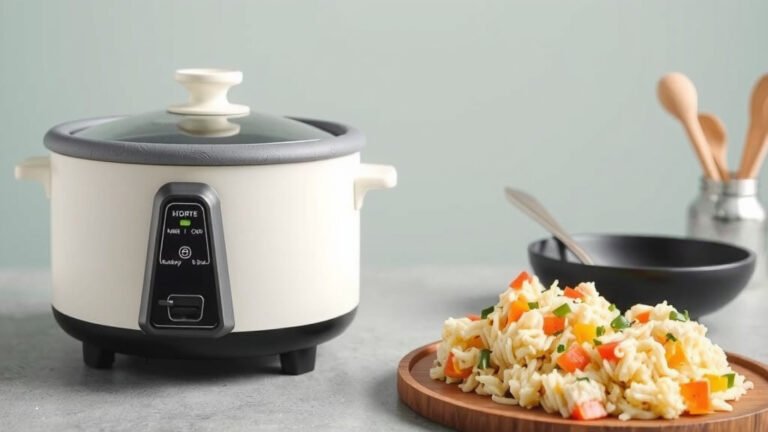
Can you saute in a slow cooker? The short answer is no, not directly in most models. Slow cookers are designed for low and slow cooking, not high-heat searing or sauteing. While some newer models offer saute functions, traditional slow cookers lack the necessary heat control for this.
However, that doesn’t mean you can’t get a delicious sauteed flavor into your slow cooker meals. Many recipes call for searing ingredients on the stovetop before adding them to the slow cooker. This step builds a rich, deep flavor base. We’ve found this technique makes a huge difference.
- Slow cookers aren’t built for high-heat sauteing.
- Most models lack the temperature control.
- You can achieve sauteed flavors by searing first.
- Sear ingredients on the stovetop then add to the slow cooker.
- Some modern slow cookers have a dedicated saute function.
Let’s talk about how you can get that amazing browned flavor into your slow cooker dishes, even without a special setting.
Getting Sautéed Flavors into Your Slow Cooker Meals
So, can you actually sauté in a slow cooker? For most of us, the answer is a straightforward no. Your trusty slow cooker is built for slow and steady cooking, not the high heat needed for a good sauté. Think of it like comparing a gentle hug to a fiery kiss – they’re different purposes!
But don’t let that stop you from achieving those wonderfully browned, rich flavors. Many recipes call for a little pre-work on the stovetop. This simple step can transform your slow cooker meal from good to absolutely amazing. We’ve found that taking just a few extra minutes makes a world of difference in the final taste.
Why Traditional Slow Cookers Don’t Sauté
Your standard slow cooker operates on a relatively low, consistent temperature. This is perfect for breaking down tougher cuts of meat or melding flavors over hours. However, sautéing requires much higher heat. You need to get ingredients like onions, garlic, or meats to that magical browning point. Most slow cookers simply don’t have the heat capacity for this.
Imagine trying to get a steak seared using just a warm breath. That’s kind of what it’s like for a regular slow cooker to attempt sautéing. The heat just isn’t there. Some models might get warm, but it’s usually not enough to achieve that delicious Maillard reaction we’re looking for.
The Temperature Gap
Research shows that sautéing typically happens between 300°F and 400°F (149°C to 204°C). A standard slow cooker usually maxes out around 200°F (93°C) on its ‘high’ setting. This difference is pretty substantial. It means you won’t get the caramelization and browning that a skillet provides.
The Stovetop Sear: Your Flavor Secret Weapon
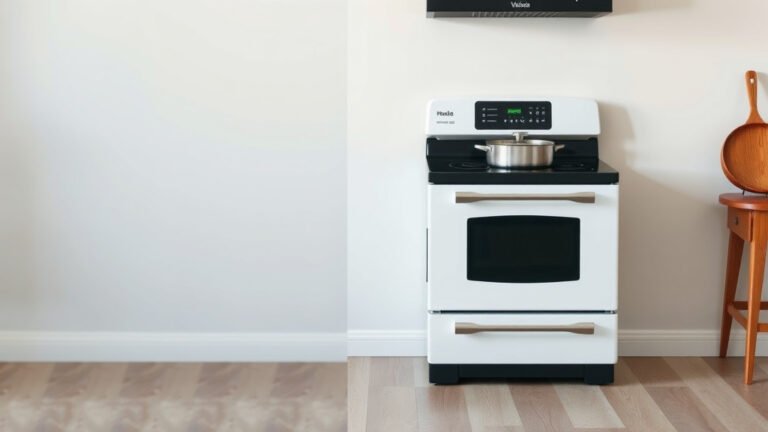
This is where the magic truly happens for most slow cooker recipes. The universally recommended method is to sear your ingredients on the stovetop first. This process builds a deep, complex flavor base that then transfers into your slow cooker pot. It’s like laying a strong foundation for a delicious meal.
Why does this work so well? When you heat ingredients like onions, carrots, or meat to a higher temperature, their natural sugars caramelize. Fats render and brown. This creates new flavor compounds. These compounds add incredible depth. This is a technique often cited in culinary guides as essential for building flavor (The Culinary Institute of America).
What to Sear and Why
Typically, you’ll want to sear aromatic vegetables like onions, garlic, and bell peppers. Meats, especially tougher cuts like beef chuck or pork shoulder, benefit immensely. Searing meat locks in juices and creates a lovely browned crust. This crust adds richness to the final dish. You’re essentially pre-building flavor before the slow cooking even begins.
Even simple things like mushrooms can become more flavorful when sautéed. They release their water and develop a more intense, earthy taste. We’ve found that skipping this step often results in a meal that tastes a bit… flat. It’s a small effort for a big flavor payoff.
Tips for Searing Success
When searing on the stovetop, remember a few key things:
- Don’t overcrowd the pan. This lowers the temperature and causes ingredients to steam rather than sear. Cook in batches if needed.
- Use the right fat. A little oil with a high smoke point, like canola or vegetable oil, works well. Butter can be added later for flavor.
- Get your pan hot. A shimmering pan is usually ready. You want to hear a sizzle when ingredients hit it.
- Let it brown. Resist the urge to stir constantly. Give the ingredients time to develop a nice color.
Modern Slow Cookers with Sauté Functions
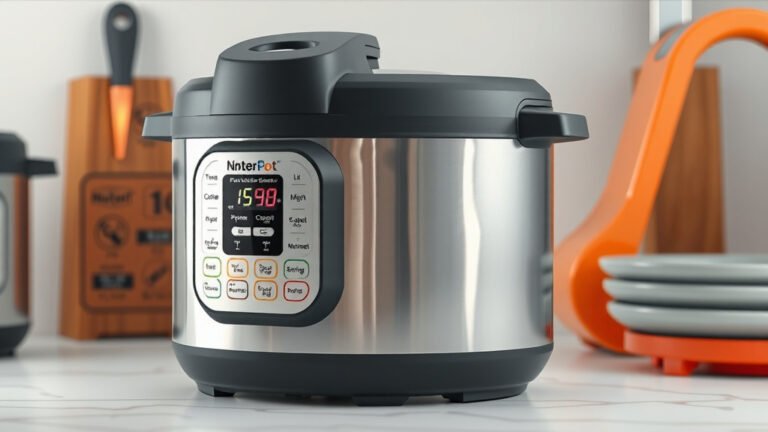
Now, let’s talk about the newer generation of slow cookers. Many manufacturers have recognized the desire for more versatility. They’ve started incorporating a dedicated sauté setting If you’re considering a new appliance, a multi-cooker with a dedicated sauté setting offers a convenient all-in-one solution.. These are often called “multi-cookers” or “all-in-one cookers.”
These advanced models have heating elements designed to reach higher temperatures, similar to a stovetop. This allows you to brown meats and soften vegetables directly in the slow cooker insert. It’s a fantastic convenience if you’re looking to reduce the number of pots and pans you use.
How the Sauté Function Works
The sauté function usually engages a more powerful heating element. It brings the insert to a higher temperature quickly. You can then add oil and your ingredients, just like you would in a skillet. Once you’ve achieved the desired browning, you can often switch the setting to slow cook, add liquids, and continue your meal.
We’ve found that this function works quite well for browning ground meats or softening onions. It’s not always as intense as a cast-iron skillet on a gas burner, but it’s definitely effective. It simplifies the cooking process significantly.
Is a Sauté Function Worth It?
If you frequently cook slow cooker meals and appreciate convenience, a model with a sauté function can be a great investment. It eliminates the need for a separate pan, making cleanup easier. Plus, you get that essential flavor-building step built right in. However, if you already have a good skillet and enjoy stovetop cooking, a traditional slow cooker might be perfectly fine.
| Cooking Method | Typical Temperature | Flavor Impact | Ease of Use |
|---|---|---|---|
| Traditional Slow Cooker | Low (around 200°F / 93°C) | Melds flavors, tenderizes | Very easy, hands-off |
| Stovetop Sauté + Slow Cooker | High (300-400°F / 149-204°C) then Low | Builds deep, complex flavors, browning | Moderate effort, requires a pan |
| Multi-Cooker with Sauté | High (similar to stovetop) then Low | Builds good flavor, browning in one pot | Easy, one-pot convenience |
Making the Most of Your Slow Cooker (Without a Sauté Function)
Even if your slow cooker is a basic model, you can still achieve fantastic results. The key is embracing the stovetop sear. Here’s a quick rundown to help you remember the process:
- Plan ahead: Allow a few extra minutes for stovetop searing before you intend to start the slow cooker.
- Gather your ingredients: Have everything ready to go so you can transition smoothly from pan to pot.
- Don’t skip the browning: Seriously, this is the flavor game-changer.
- Deglaze the pan: After searing, add a splash of liquid (like broth or wine) to the hot pan. Scrape up any browned bits. Add this flavorful liquid to the slow cooker.
- Clean as you go: Rinse your searing pan while the slow cooker is doing its thing to make cleanup even easier.
So, while your old-school slow cooker might not be a sauté pan, it can certainly be the vessel for a meal packed with sautéed deliciousness. It’s all about using the right tools at the right time to build the best flavor.
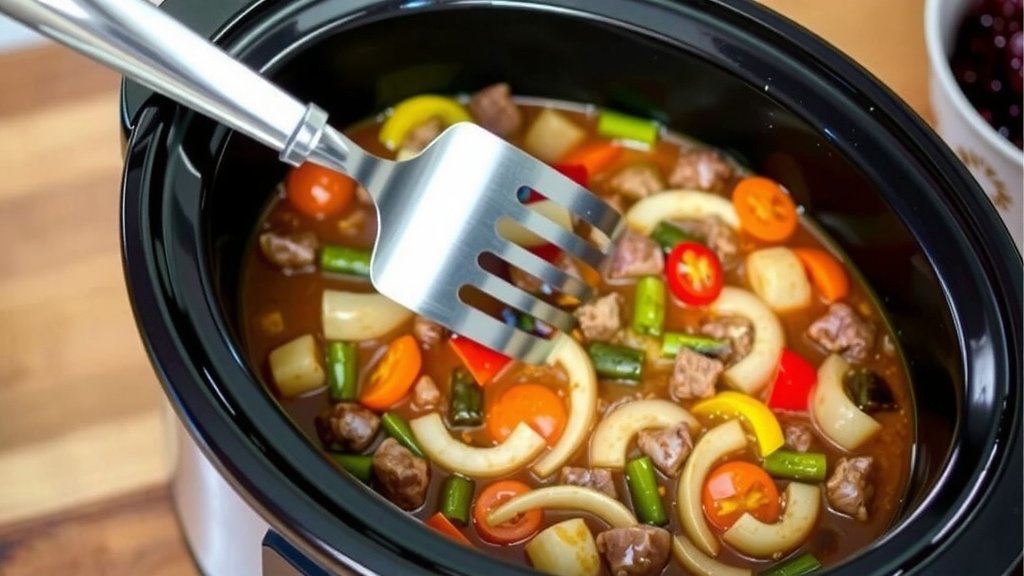
Conclusion
So, can you sauté in a slow cooker? For most traditional models, the answer is a clear no. They simply don’t reach the necessary high heat for effective searing. However, you absolutely can achieve those delicious sautéed flavors! The secret is to sear your ingredients on the stovetop first, building a rich flavor base before they even hit the slow cooker. If you’re considering a new appliance, multi-cookers with a dedicated sauté function offer a convenient all-in-one solution. No matter your slow cooker’s capabilities, mastering the stovetop sear is your key to unlocking deeper, more complex flavors in your favorite slow cooker meals.
Frequently Asked Questions
Do I really need to sear meat before slow cooking?
Yes, searing meat before slow cooking makes a big difference in flavor. When you brown meat, you create delicious caramelized bits in the pan. These bits add a wonderful depth and richness to your slow cooker meals that you won’t get otherwise. It’s a simple step that really elevates your dish.
What if I don’t have a multi-cooker with a sauté function?
No problem! You can easily achieve sautéed flavors with a traditional slow cooker by using a separate skillet on your stovetop. Just sauté your aromatics and brown your meats in the skillet first. Then, transfer everything to your slow cooker insert to finish cooking. You’ll get all the flavor without needing a special appliance.
Can I sauté vegetables directly in my slow cooker insert?
With a traditional slow cooker, generally no. The heat isn’t high enough to properly sauté vegetables, meaning they might just steam instead of brown. If your slow cooker has a specific sauté function, then yes, you can sauté vegetables directly in the insert.
How do I prevent ingredients from steaming instead of searing?
To get a good sear, make sure your pan is hot enough before adding ingredients. Don’t overcrowd the pan, as this lowers the temperature and causes steaming. Cook in batches if necessary. Also, use a cooking fat with a high smoke point, like vegetable or canola oil, for best results.
Will deglazing the pan add much flavor to my slow cooker dish?
Absolutely! Deglazing is a fantastic way to capture all those flavorful browned bits left in the pan after searing. Adding a liquid like broth or wine and scraping up those bits creates a rich, concentrated base. Pouring this liquid into your slow cooker infuses your entire meal with that delicious sautéed flavor.