
Multi Cooker vs Separate Appliances: Which Saves You More?
Yes, a multi cooker is better than separate appliances for most people, especially if you’re short on kitchen space or budget. It replaces several gadgets with one machine that can pressure cook, slow cook, sauté, and more. That said, dedicated appliances usually do their one job a bit better.
So which side wins for your kitchen? It depends on how you cook. If you make the same meals often and love your slow cooker or rice maker, keep them. If you want flexibility without clutter, a multi cooker covers a lot of ground. We researched dozens of side-by-side comparisons and expert reviews, and we found the answer is rarely all-or-nothing.
- A multi cooker saves counter space, storage space, and money upfront.
- It handles most jobs well: pressure cooking, slow cooking, rice, yogurt, and sautéing.
- Separate appliances usually perform better at their single task and last longer with heavy use.
- If you use two or more appliances weekly, the multi cooker wins on convenience.
- If you only use one appliance regularly, keep the dedicated one you already love.
Below, we break down everything you need to know to decide: cost, cooking quality, cleanup, and the small trade-offs nobody warns you about. Let’s dig in.
Multi Cooker vs. Separate Appliances: The Real Differences
Short answer: a multi cooker trades peak performance for flexibility. We found that most people notice the difference mainly in slow cooking and baking tasks, while pressure cooking and rice turn out nearly identical.
Where the Multi Cooker Shines
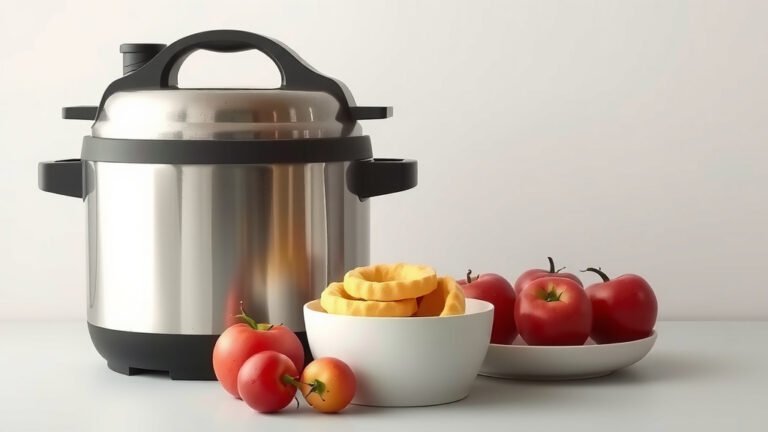
Pressure cooking is the multi cooker’s home turf. It built its reputation on it. Dried beans, tough roasts, and broth that usually take hours get done in a fraction of the time. A dedicated pressure cooker does this too, but you already own the multi cooker, so there’s nothing extra to store.
Rice also comes out great. Many experts say multi cookers match or beat basic rice makers because they regulate temperature well and adjust for different grains (America’s Test Kitchen has found similar results in its testing).
Where Separate Appliances Still Win
Slow cooking is the weak spot. A multi cooker’s heating element sits in the base only, so food can cook a bit unevenly on low settings. A good ceramic slow cooker spreads heat more gently over long hours. If you slow cook weekly, you may taste the difference. If you’re weighing the two head to head, our slow cooker vs pressure cooker guide breaks down how each one heats and cooks.
Baking and dehydrating are similar. Multi cooker yogurt is solid, but a dedicated yogurt maker holds a steadier temperature. The same goes for air frying — a multi cooker lid attachment works, but it won’t crisp like a real air fryer.
The Cost Breakdown: One Machine or Many?
Money tells a clear story. A solid multi cooker costs $80 to $150. Buying a pressure cooker, slow cooker, and rice maker separately can easily run $200 or more. That’s the math that convinces most first-time buyers.
| Appliance | Typical Price | Does the Multi Cooker Match It? |
|---|---|---|
| Pressure cooker | $60–$120 | Yes, nearly identical results |
| Slow cooker | $30–$80 | Good, but slightly less even |
| Rice maker | $25–$100 | Yes for most rice types |
| Yogurt maker | $40–$100 | Decent, less precise |
| Sauté pan (partially) | $40+ | Works, smaller surface |
One caveat: if a multi cooker breaks, you lose every function at once. Separate appliances fail one at a time. Think of it like putting all your eggs in one very convenient basket.
Counter Space and Kitchen Clutter
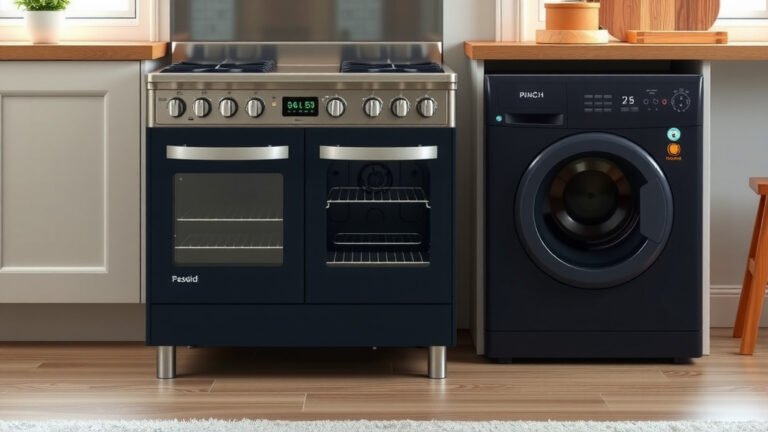
Here’s where the multi cooker feels like a small miracle. Instead of five boxes crowding your counters and cabinets, you have one pot-shaped gadget. If your kitchen is on the smaller side, this alone can settle the debate.
We found that people in apartments and smaller homes rarely go back once they consolidate. The trade-off? You can’t run the slow cooker and pressure cooker at the same time. Hosting a big meal sometimes means juggling the schedule.
The One-Pot-at-a-Time Problem
This is the trade-off nobody warns you about. Making rice while a roast pressure cooks? Not happening. You’ll cook in stages or pull out a backup pot. Big holiday meals are when some people miss their old appliance lineup most.

Cleanup and Daily Convenience
One removable inner pot means one thing to wash. Most inserts are dishwasher safe, and the housing just needs a wipe. Compare that to scrubbing a slow cooker crock, a rice pot, and a sauté pan after one dinner.
Multi cookers also handle the “brown it, then cook it” flow in one pot. You sauté onions, sear meat, and pressure cook without dirtying extra pans. Fewer dishes, fewer excuses to order takeout.
Learning Curve and Safety
Pressure cooking intimidates some folks, and honestly, that’s fair. Modern multi cookers are packed with safety locks and sensors, so they’re far safer than old stovetop models. Read the manual once and start with soups or shredded chicken. You’ll be comfortable within a week.
One tip from our research: keep the pressure valve clean. A stuck valve is the most common cause of user frustration, not danger.
Which One Fits Your Cooking Style?
Be honest with yourself about how you actually cook — not how you wish you cooked. Use this quick checklist before you decide:
- Do you use two or more small appliances every week? Lean multi cooker.
- Do you only slow cook? Keep your slow cooker and skip the upgrade.
- Is counter space tight? The multi cooker wins by default.
- Do you cook big meals for 6+ people often? Separate appliances give you parallel cooking.
- Do you love set-and-forget simplicity? A basic slow cooker is harder to mess up.
- Do you want to try new techniques like pressure cooking or yogurt? Multi cooker, no contest.
Our Bottom Line on Who Should Buy What
Buy a multi cooker if you’re starting from zero, short on space, or curious about pressure cooking. Keep your separate appliances if one of them already anchors your weekly routine and you’re happy with it. Many experts say the happiest kitchens are hybrids — a multi cooker plus one beloved dedicated appliance (Cleveland Clinic dietitians often note that convenient tools only help if you actually use them).
And if you’re still on the fence? Try the multi cooker first. It’s the cheapest way to test which cooking style really sticks. Worst case, you return it. Best case, your cabinets finally get some breathing room.
Conclusion
After digging through dozens of reviews and comparisons, we found the answer comes down to your habits, not the machines. A multi cooker is better than separate appliances if you want flexibility, less clutter, and one pot to wash. Dedicated appliances still win on peak performance, especially for slow cooking, and they let you run two jobs at once. If a single gadget already anchors your week, keep it. If you’re starting fresh or cramped for space, the multi cooker is the smartest first buy. Check your cabinet, count what you actually use, and pick the setup that fits the cook you really are.
Frequently Asked Questions
Can a multi cooker replace a slow cooker completely?
For most recipes, yes — but with a small catch. Multi cookers heat from the base only, so low-and-slow dishes can cook slightly unevenly compared to a ceramic slow cooker. If you slow cook once in a while, you’ll be happy. Weekly die-hards may notice the difference.
Do multi cookers use a lot of electricity?
Actually, they’re surprisingly efficient. Pressure cooking seals in heat and finishes meals fast, so a multi cooker often uses less energy than an oven or a stovetop simmering for hours. Slow cook mode draws about as much power as a traditional slow cooker.
Is a multi cooker safe to leave on while I’m at work?
On slow cook or keep-warm mode, yes — modern models are built for unattended cooking, just like a slow cooker. Never leave it in pressure mode unattended for long stretches, and always check that the valve is clear before you walk away. When in doubt, follow your manual’s guidance.
What size multi cooker should I buy for a family of four?
A 6-quart model is the sweet spot for most families of four. It handles a whole chicken, a pot of chili, or a batch of rice with room to spare. Go for 8 quarts only if you batch cook or host big groups often.
Do multi cookers last as long as regular appliances?
We found most quality multi cookers hold up for five to eight years with normal use. That’s comparable to a good slow cooker or rice maker. The risk isn’t shorter lifespan — it’s that when one part fails, you lose every function at once, so pick a brand with solid warranty support.