Most Energy Efficient Cooker: Which Type Saves the Most?
The most energy efficient cooker is an induction cooktop. It heats the pan directly using magnetic energy, so almost no heat is wasted. That means faster cooking and a lower energy bill for you.
But induction isn’t your only option. We researched how electric ovens, gas ranges, and convection models compare, because the “best” choice depends on how you actually cook. Some of what we found might surprise you.
- Induction cooktops waste the least energy and cook the fastest.
- Gas cookers lose the most heat and cost more to run in many homes.
- Convection ovens cook food quicker than standard electric ovens.
- Smaller appliances, like toaster ovens, beat full-size ovens for small meals.
- Your cooking habits matter just as much as the cooker you buy.
Below, we break down each cooker type step by step, so you can pick the one that fits your kitchen, your budget, and yes, even your patience level.
Which Cooker Saves the Most Energy?
Out of all the options, an induction cooktop uses energy the most efficiently. We found that induction transfers roughly 85% of its heat straight to your pan, according to the U.S. Department of Energy. Compare that to gas, which sends about half its heat into the air around your kitchen. That’s like paying to heat your ceiling.
Why Induction Wins on Efficiency
Induction doesn’t actually heat the cooktop surface. It uses a magnetic field to make your pan itself the heat source. Think of it like rubbing your hands together to warm them — the warmth happens inside the thing you’re trying to heat.
Because almost nothing escapes into the air, water boils faster and simmering is steadier. Many cooks we researched report cutting their cooking time noticeably after switching.
The Catch: You Need the Right Pans
Here’s the honest part. Induction only works with magnetic cookware, like cast iron or most stainless steel. If a magnet sticks to the bottom of your pan, you’re good. If not, you’d need to replace some pots. That upfront cost surprises people, so plan for it.
Electric Cookers: The Reliable Middle Ground
Electric coil and smoothtop cookers land in the middle. The Department of Energy puts their efficiency around 70 to 75%, which is solid but not record-breaking. They’re also cheaper to buy than induction, which matters if your budget is tight right now.
Standard Electric Ovens
A full-size electric oven is a big metal box that heats a lot of air. Most of that air stays inside, which is good, but preheating takes time and energy. If you bake a lot, the cost adds up in the background, like a quiet subscription you forgot about.
Convection Ovens: Same Oven, Smarter Fan
Convection models add a fan that pushes hot air around your food. ENERGY STAR notes that convection can use about 20% less energy and cut cooking temperatures or times. Why? Even heat means food cooks faster and more evenly. No more mystery burnt edges on one side of the tray.
Many experts say convection is one of the easiest upgrades because it works with your existing recipes and pans.
Gas Cookers: Loved by Chefs, Not by Efficiency Charts
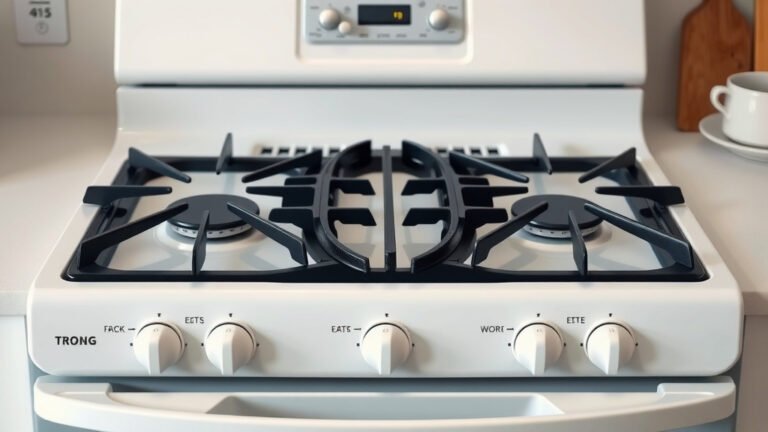
We’ll say it gently: gas is the least efficient of the bunch. Only about 40% of the heat reaches your food, per Department of Energy figures. The rest warms your kitchen, your curtains, and eventually the great outdoors.
Gas fans love the instant flame control, and that’s real. Chefs swear by it for wok cooking and quick temperature swings. But if your goal is a lower energy bill, the numbers don’t favor flame.
There’s also indoor air quality to think about. Studies summarized by the NIH have found that gas stoves can release nitrogen dioxide and other pollutants indoors. If you cook with gas often, running your range hood matters. Open a window too. Your lungs will quietly thank you.
Side-by-Side: How Each Cooker Compares
We found it helps to see everything in one place. Here’s a quick breakdown:
| Cooker Type | Approx. Efficiency | Cooking Speed | Best For |
|---|---|---|---|
| Induction cooktop | About 85% | Fastest | Everyday stovetop cooking |
| Electric coil/smoothtop | 70–75% | Moderate | Budget-friendly versatility |
| Electric convection oven | About 20% less energy than standard | Faster than standard oven | Baking and roasting |
| Standard electric oven | Moderate | Slower | Big meals and batch cooking |
| Gas range | About 40% | Instant heat control | High-heat, hands-on cooking |

Small Appliances Deserve More Credit
Here’s something most articles skip. The most energy efficient “cooker” might be the one you already own and ignore. A toaster oven, microwave, or electric pressure cooker heats a tiny space instead of a giant oven cavity.
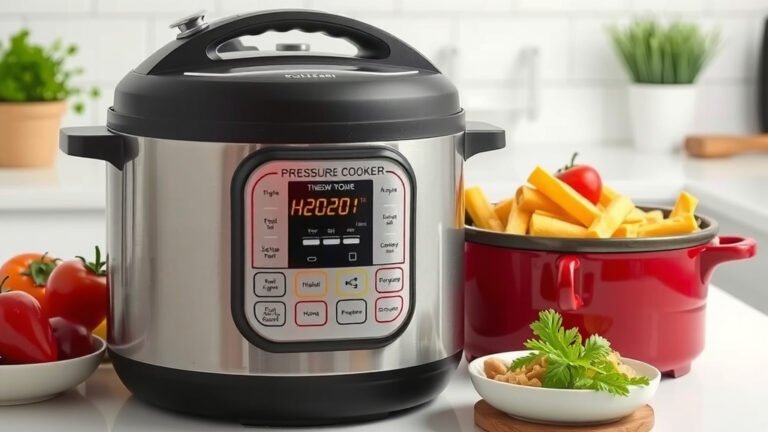
The Department of Energy suggests using small appliances for small jobs. Reheating leftovers in the microwave instead of the full oven can cut that task’s energy use dramatically. A pressure cooker also saves energy because it cooks food faster under pressure.
So before you preheat a big oven for two baked potatoes, ask yourself: is there a smaller tool for this? Your utility bill says yes.
How to Choose the Right Cooker for Your Kitchen
Efficiency numbers only matter if the cooker fits your life. Use this quick checklist before you buy:
- Check your pans — stick a magnet to the bottom. It sticks? Induction works for you.
- Look at your electrical setup — some induction models need proper wiring, so ask an electrician.
- Count your cooking habits — bake weekly? Convection earns its keep. Mostly stovetop? Prioritize induction.
- Set a real budget — include pans and possible installation, not just the sticker price.
- Plan your ventilation — especially if you’re staying with gas.
- Start with small appliances — sometimes the cheapest efficiency boost is using what you have.
Small Habits That Cut Energy Use Today
You don’t need a new cooker to start saving. We found a few habits that help right away:
Match your pan size to the burner. A small pot on a big burner wastes heat. Put lids on pots — water boils much faster, which means less time and less energy. And skip preheating when you don’t need it. Many baked dishes come out fine if you pop them in early.
Small changes stack up. And honestly, the most energy efficient cooker is the one that gets used well, week after week, without making you dread dinner.
Conclusion
When it comes to energy efficiency, induction is the clear winner, with electric models close behind and gas lagging well off the pace. But we found that your best choice depends on more than numbers alone. Your pans, your wiring, your cooking style, and even your budget all play a part. And don’t underestimate the small stuff — using your microwave or toaster oven for little jobs can make a real dent in your bill. Before you spend a dime, run through the checklist above and check your cookware with a magnet. That one quick test tells you whether induction is ready for your kitchen right now.
Frequently Asked Questions
Does an induction cooktop use more electricity than a gas stove?
It can use more electricity, but less total energy overall. Gas stoves waste more than half their heat into the room, so much of what you pay for never touches your food. Induction sends nearly all its energy into the pan, so you finish cooking faster and use less energy in the process.
Is it worth replacing my gas stove with induction?
It depends on your priorities and your budget. If you want lower energy use, faster cooking, and better indoor air quality, induction makes a strong case. But factor in the cost of new pans and possible electrical work, and consider waiting until your current stove actually needs replacing.
Do induction cooktops scratch easily?
They can, since most have a glass or ceramic surface. Sliding heavy cast iron pans across the top is the usual culprit. Lift your pots instead of dragging them, wipe away spills quickly, and the surface should stay in good shape for years.
Can I use a pressure cooker or slow cooker on an induction cooktop?
Yes, as long as the base is magnetic. Most stainless steel pressure cookers and many slow cooker inserts work fine. Just test the bottom with a magnet before you buy, and you’ll avoid an annoying surprise.
What is the most energy efficient way to boil water?
Use an electric kettle or an induction cooktop with a lid on the pot. Both methods heat water far faster than a standard electric or gas burner. Boil only what you need, and you’ll save even more over time.