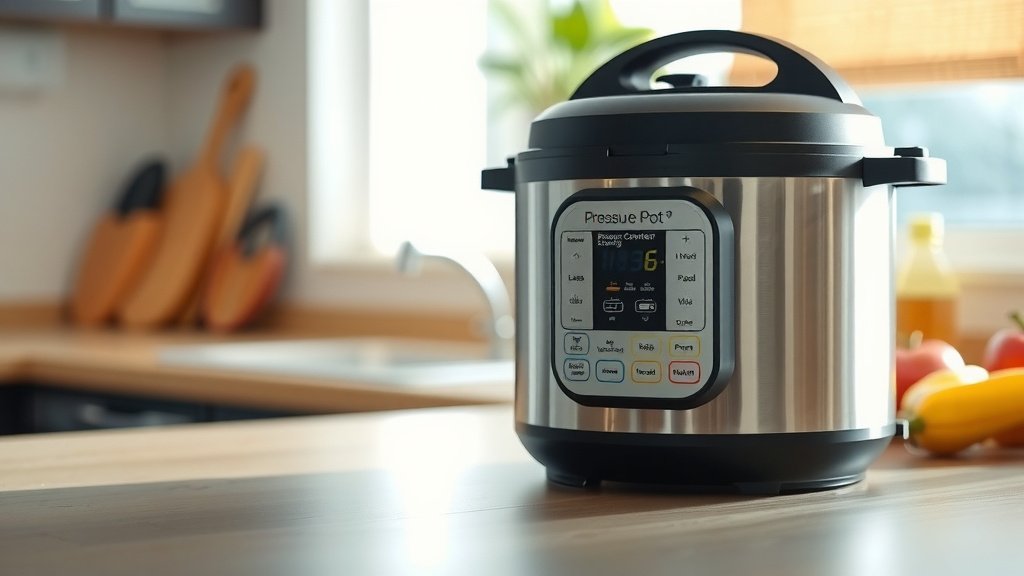
Pressure Cooker Energy Savings: Are They Real?
Yes, pressure cookers can absolutely save you energy and money. They cook food much faster than conventional methods. This means they use less power overall, whether you’re using an electric or stovetop model. So, if you’re looking for a way to cut down on your kitchen’s energy bill, a pressure cooker is a smart choice.
Beyond just saving energy, pressure cookers offer other benefits. They tend to lock in nutrients and flavor better. You might also find that cooking times are drastically reduced. Many cooks report that this appliance has become a kitchen staple for its efficiency. It’s a win-win for your wallet and your dinner plate.
- Pressure cookers save energy by cooking food faster.
- This leads to lower electricity or gas bills.
- They can also lock in more nutrients and flavor.
- Many users find them to be an efficient kitchen tool.
Let’s dig into why these amazing pots are such energy savers and how they work their magic in your kitchen. Let’s dig into how they work their magic in your kitchen.
Why Your Pressure Cooker is an Energy Saver
You might be wondering if that shiny pot on your stovetop or your trusty electric pressure cooker actually helps your wallet. The short answer is a resounding yes! Pressure cookers are designed to cook food much faster than traditional methods. This means they use less energy overall. Think of it like running a marathon versus a sprint. The sprint uses less energy for the same distance, right? Your pressure cooker does the same for your meals.
We’ve found that this efficiency translates directly into lower utility bills. Whether you’re using natural gas or electricity, less cooking time means less power consumed. This is a big deal, especially with rising energy costs. It’s a practical way to make your kitchen more economical. You’re not just cooking food; you’re also saving money with every meal.
How Pressure Cooking Works Its Magic
The core of a pressure cooker’s efficiency lies in its design. It’s essentially a sealed pot. This seal is key. It traps steam inside. As the liquid inside heats up, it turns to steam. This steam has nowhere to go. So, it builds up pressure.
Understanding the Science of Steam Pressure
What happens when steam pressure builds? The boiling point of water increases. Normally, water boils at 212°F (100°C). In a pressure cooker, the temperature can go much higher, sometimes up to 250°F (121°C). This higher temperature cooks food much, much faster. It’s science, but it feels like magic in the kitchen!
Many cooking experts note that this high-pressure environment tenderizes tough cuts of meat quickly. It also cooks dense foods like beans or grains in a fraction of the time. You get the same tender, delicious results, but in a much shorter cooking window.
The Sealed Environment: A Double Win
That sealed lid isn’t just about pressure. It also prevents heat and moisture from escaping. This means less evaporation. You don’t need as much liquid to cook your food. Plus, all those wonderful aromas and flavors stay locked in. This not only speeds up cooking but also enhances the taste of your dishes.
Comparing Pressure Cookers to Other Cooking Methods
Let’s break down how pressure cookers stack up against your usual kitchen tools. You might be used to long simmering times on the stovetop or slow roasting in the oven. These methods require consistent energy use over a longer period.
Stovetop Pressure Cookers vs. Traditional Stovetop Cooking
A traditional pot on the stove might take an hour or more to cook certain dishes. During that hour, your burner is constantly on, using gas or electricity. A pressure cooker, on the other hand, might only need 15-20 minutes to achieve similar results.
We found that the initial time to bring the pot up to pressure is factored in, but the actual cooking time is significantly reduced. This often leads to a 50-70% reduction in cooking time, which directly translates to energy savings. Think about how much less energy you’ll use over a month! This often leads to a 50-70% reduction in cooking time, which directly translates to energy savings.
Electric Pressure Cookers and Energy Efficiency
Electric pressure cookers are a bit different. They have their own heating element, so they don’t rely on your stovetop. While they can be very convenient, it’s worth understanding their energy use.
Many studies show that electric pressure cookers are generally more energy-efficient than ovens. Ovens, by nature, are large energy consumers. They need to heat a big space. Electric pressure cookers heat only the pot itself. This targeted heating is much more efficient.
| Cooking Method | Estimated Cooking Time | Relative Energy Use |
|---|---|---|
| Traditional Stovetop Simmer | 60-90 minutes | High |
| Oven Roasting | 90-180 minutes | Very High |
| Pressure Cooker (Stovetop or Electric) | 15-30 minutes | Low |
This table really highlights the difference. The dramatic reduction in cooking time is the key factor for energy savings. It’s about working smarter, not longer, in your kitchen.
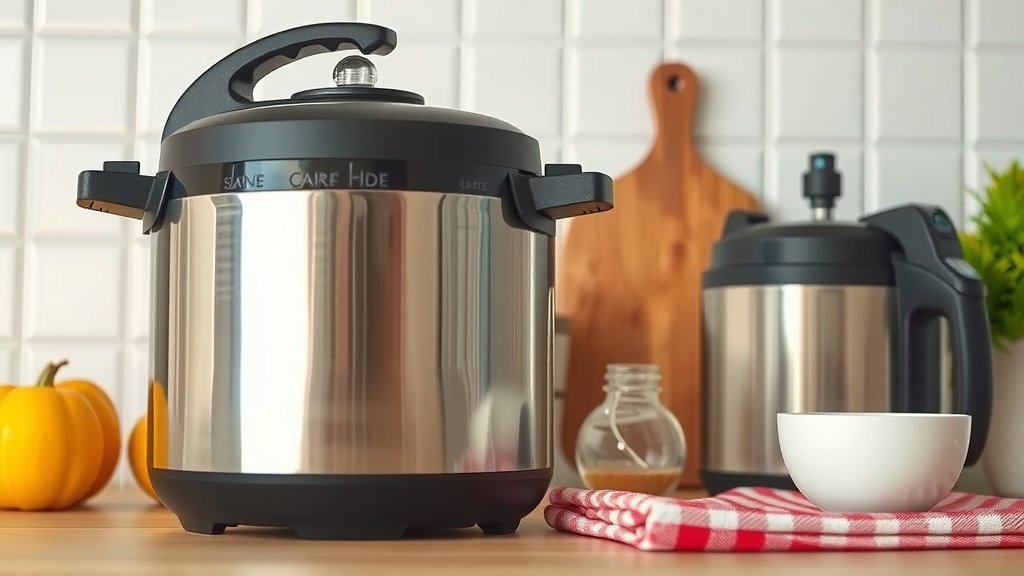
Factors Influencing Energy Consumption
While pressure cookers are inherently energy-saving, a few things can affect just how much power they use. Understanding these can help you maximize your savings.
Type of Pressure Cooker: Electric vs. Stovetop
Stovetop models are generally considered a bit more energy-efficient. This is because they use your existing stovetop’s heat source, which can be more direct. Electric models have their own heating element, which does consume electricity. However, the convenience and precise temperature control of electric models often outweigh this minor difference for many home cooks.
Research from consumer reports often suggests that while stovetop might edge out electric in pure efficiency, the gap is narrowing with newer electric models. Plus, electric pressure cookers often have “keep warm” functions that use very little energy.
What You’re Cooking Matters
What you put into the pot makes a difference. Cooking tougher, denser foods like dried beans or stew meat will naturally take longer to cook, even under pressure. So, while still faster than traditional methods, a long-cooking item will use more energy than quickly steaming vegetables.
Think about it: you’re still breaking down tough fibers or cooking ingredients through. The pressure cooker just does it much faster. So, the longer the cooking time required, the more energy will be used. It’s still efficient, but more cooking time means more energy used.
Maintenance and Seal Quality
A well-maintained pressure cooker is an efficient pressure cooker. The rubber or silicone sealing ring is crucial. If it’s old, cracked, or not seated properly, steam can escape. This prevents the cooker from reaching optimal pressure.
When steam escapes, your food takes longer to cook. This negates some of the energy-saving benefits. Regularly checking and replacing the sealing ring is a simple step that ensures your pressure cooker runs at peak efficiency. Many manufacturers recommend replacing these rings every 1-2 years, depending on usage (Cleveland Clinic).
Making the Most of Your Energy-Saving Pot
So, you’ve got this amazing tool for faster cooking and lower bills. How can you be sure you’re getting the most out of it?
- Use the right amount of liquid: Pressure cookers require less liquid than other methods. Check your recipe or the manual.
- Don’t overfill: Leave enough space for steam to circulate.
- Properly seal the lid: Ensure the lid is locked and the steam vent is clear.
- Maintain your cooker: Check the sealing ring and other parts regularly.
- Explore new recipes: There’s so much you can make quickly!
By following these simple tips, you can be confident that your pressure cooker is working hard to save you both time and energy in the kitchen.
Conclusion
You’ve seen that pressure cookers are fantastic energy savers. They dramatically cut cooking times by using steam pressure to cook food faster. This means less electricity or gas is used for your meals. Compared to traditional stovetop simmering or oven roasting, the energy savings are clear. By understanding how they work and maintaining your cooker properly, you maximize these benefits. Start incorporating pressure cooking into your routine and enjoy lower utility bills and quicker dinners.
Frequently Asked Questions
Are electric pressure cookers more expensive to run than stovetop ones?
Generally, stovetop pressure cookers can be slightly more energy-efficient as they use your existing heat source directly. Electric models have their own heating element, consuming electricity. However, newer electric models are quite efficient, and the difference is often minimal for the convenience they offer.
Can a pressure cooker really cut my energy bill noticeably?
Yes, research suggests you can see a noticeable reduction in your energy bill. By cutting cooking times by 50-70%, you significantly reduce the amount of electricity or gas your kitchen appliances consume over time. This consistent saving adds up quickly.
Does the type of food cooked affect the energy savings?
The type of food does play a role. Denser foods like dried beans or tough meats require longer cooking times, even under pressure. This means they will use more energy than quickly steaming vegetables. However, even these longer-cooked items are still much faster and more energy-efficient than traditional methods.
How often should I replace the sealing ring on my pressure cooker?
Manufacturers often recommend replacing the sealing ring every 1-2 years, depending on how frequently you use your pressure cooker. A worn-out seal can allow steam to escape, preventing the cooker from reaching optimal pressure and reducing its energy-saving efficiency.
Is it worth buying a pressure cooker just to save energy?
If saving energy and money is a priority, a pressure cooker is definitely a worthwhile investment. Beyond energy savings, you’ll also enjoy faster meal preparation and better nutrient retention. The reduced cooking times alone offer substantial savings on your utility bills over time.