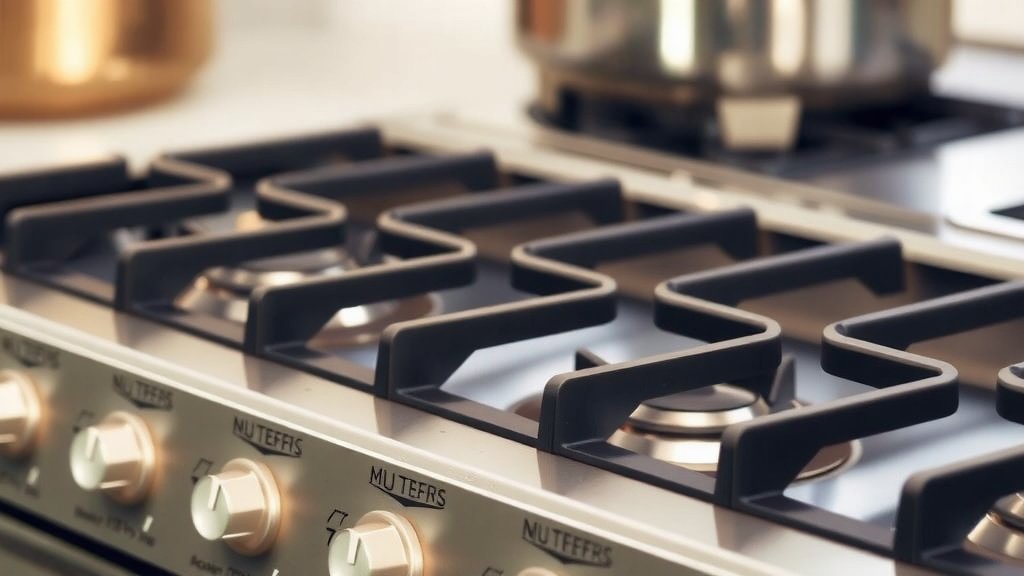
Why Do Chefs Prefer Gas Cookers? Key Reasons Explained
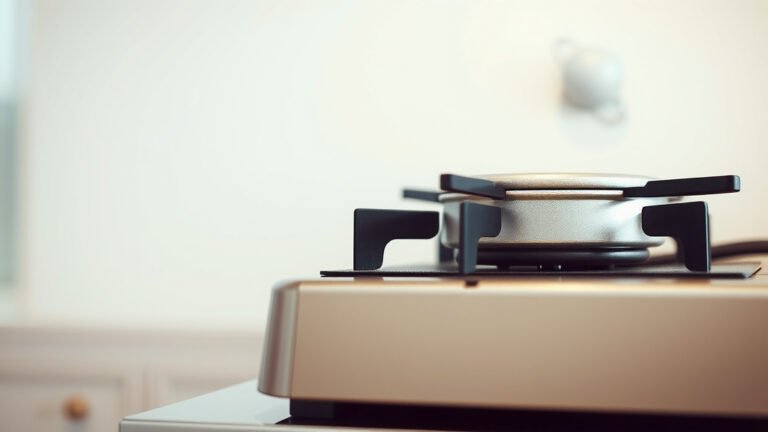
Chefs prefer gas cookers because they offer instant heat control. Turn the knob, and the flame responds right away. That speed matters when you’re searing steaks or gently melting chocolate. No waiting for a burner to warm up or cool down.
We researched why so many professional kitchens stick with gas, and the reasons go beyond speed. Chefs love the visible flame because it shows exactly how hot things are. Gas also works during power outages and spreads heat evenly across woks and round pans. Many experts say that kind of flexibility is hard to beat in a busy kitchen.
- Gas flames respond instantly, giving chefs total control over temperature.
- The visible flame lets cooks judge heat levels at a glance.
- Gas spreads heat evenly, which is perfect for woks and rounded pans.
- Gas stoves keep working even when the power goes out.
- Electric and induction cookers have perks too, but gas still wins in most pro kitchens.
Below, we break down everything you need to know about why gas cookers rule the kitchen. We’ll cover heat control, cost, safety, and when electric might actually make more sense for you.
The Reasons Professional Cooks Choose Gas Stoves
Walk into almost any restaurant kitchen and you’ll see the same thing: blue flames dancing under every pan. We researched this pattern and found that chefs stick with gas for one big reason. Control. Gas gives them the kind of hands-on feel that electric burners just can’t match.
Think of it like driving a car with a manual transmission. Some people want the machine to do the thinking. Chefs want to do it themselves.
Instant Flame, Instant Results
Gas burners hit full heat the moment you turn the knob. There’s no warm-up period. When a sauce starts to break, a chef can drop the flame to a whisper in under a second.
We found that this speed matters most during high-pressure service. A dinner rush waits for no one. Electric coils can take minutes to cool down, which means a sauce keeps cooking whether you want it to or not.
The U.S. Department of Energy notes that gas cooktops offer responsive temperature changes, which is one reason they remain popular in commercial kitchens. That responsiveness isn’t a luxury in a restaurant. It’s the whole job.
Reading Heat With Your Eyes
Here’s something home cooks often miss. A gas flame is a built-in thermometer. Low blue flame? Gentle heat. Tall roaring flame? Searing territory.
Many experts say this visual feedback builds better instincts. You learn what medium heat actually looks like, not just what a dial claims it is.
Why the Blue Flame Matters
A steady blue flame means the gas is burning cleanly and efficiently. A yellow or orange flame can signal a problem, like a clogged burner or poor air flow. Chefs spot these issues instantly because they can see the flame at all times.
With an electric burner, you’re guessing. With gas, the stove tells you what’s going on. That’s a quiet kind of trust that builds over thousands of meals.
How Gas Handles the Chaos of a Real Kitchen
Professional kitchens are messy, hot, and fast. Equipment has to keep up. Gas cookers were practically built for that environment, and we found three big reasons why.
Even Heat for Odd-Shaped Pans
Have you ever looked at a wok? It’s round. So is a lot of professional cookware. Gas flames curl up the sides and heat the whole surface, not just the flat bottom.
Electric burners need flat contact to work well. Tilt a pan slightly and one side of your dinner cooks while the other side naps. Gas forgives imperfect pan placement, which matters when a chef is juggling six orders at once.
Grilling and Charring, Made Simple
Want to char a pepper or toast a tortilla? You can place it right over an open gas flame. Try that on a glass-top electric stove and you’ll have a mess, or worse.
Open-flame cooking gives chefs restaurant-style results at the stove. Smoky edges and blistered skins come standard.
Cooking When the Power Goes Out
Storm knocks out electricity? A gas stove with manual ignition keeps right on working. You can still boil water, warm soup, and feed your family.
Many emergency preparedness lists from agencies like FEMA and Ready.gov mention that gas appliances can be a lifeline during outages. Just light the burner with a match or long lighter if the electric igniter is down. That peace of mind is worth a lot, whether you’re running a restaurant or a household.
Cost and Upkeep: The Honest Numbers
Money talks, especially in the restaurant business. So what does gas actually cost?
Running Costs Over Time
Natural gas is often cheaper per unit of energy than electricity in many parts of the U.S., according to the U.S. Energy Information Administration. That can mean lower monthly bills for heavy cookers.
Gas is also efficient at the pan. Heat goes straight into the food instead of warming the whole room first. Your kitchen stays a little cooler, and your air conditioner thanks you.
Repairs Are Usually Simple
Gas stoves are mechanically simple. Burners, grates, knobs, igniters. Most repairs are straightforward and affordable. If the igniter ever fails, our step-by-step guide to fixing a gas cooker igniter covers the most common repairs.
We found that electric and induction cooktops can cost more to fix when their electronics fail. For a busy kitchen, downtime is money lost. Simple machines get back to work faster.
Are Gas Stoves Safe? What the Research Says
Let’s address the elephant in the kitchen. Gas stoves have faced safety questions, and you deserve a straight answer.
The main concern is indoor air quality. Gas combustion can release nitrogen dioxide and other pollutants. Research covered by the NIH and reports from the CDC note that proper ventilation greatly reduces these risks.
Simple Habits That Lower the Risks
- Run your range hood every time you cook, not just when things get smoky.
- Open a window or door when possible to move fresh air through.
- Have your stove and gas lines checked once a year.
- Install a carbon monoxide detector near the kitchen.
- Keep burners clean so flames burn blue and steady.
Many experts say a vented hood plus basic maintenance makes gas cooking perfectly manageable for most homes. It’s like owning a car. Regular care keeps it running safely.
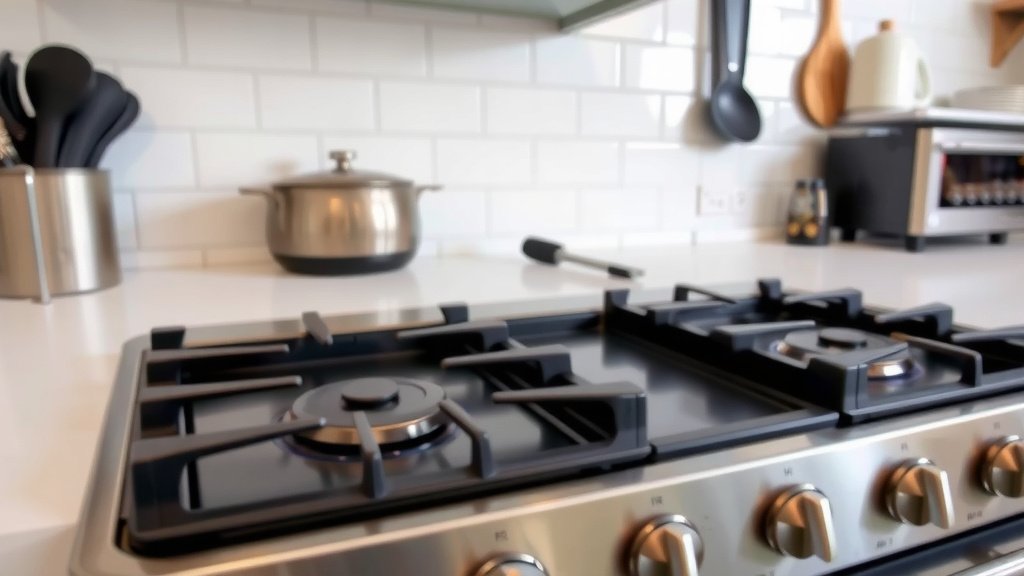
Gas vs. Electric vs. Induction: A Quick Comparison
Still weighing your options? Here’s a simple side-by-side look at how each type performs where it counts.
| Feature | Gas | Electric Coil | Induction | |
|---|---|---|---|---|
| Heat response | Instant | Slow | Very fast | |
| Works during power outage | Yes (manual ignition) | No | No | |
| Works with round pans | Yes | Poorly | No | |
| Cookware needed | Any | Any | Magnetic only | |
| Typical repair cost | Low | Medium | Higher |
Notice something? Induction is fast, but gas wins on versatility. That’s why so many working chefs won’t give it up.
Your Pre-Purchase Checklist for a Gas Cooker
Ready to shop? We put together a short list to keep you on track. Think of it as your pre-flight check.
- Check for a gas line in your kitchen, or budget for installation.
- Measure your space, including depth and overhead clearance.
- Confirm your range hood vents outside, not just recirculates.
- Pick sealed burners for easier spill cleanup.
- Look for a continuous grate so heavy pans slide easily.
- Book a licensed technician for hookup and a leak test.
A little planning now saves a big headache later. Trust us on that one.
When Gas Might Not Be the Right Fit for You
We’d be doing you a disservice if we pretended gas is perfect for everyone. If your building has no gas line, running one can be pricey. Renters may not have the option at all.
Households with young kids sometimes prefer induction, since there’s no open flame and the surface stays cooler. The American Academy of Pediatrics generally recommends keeping children away from active cooking zones either way, but some parents find induction’s design reassuring.
And if you cook rarely? A basic electric stove may serve you just fine at a lower upfront cost.
So why do chefs still choose gas? Because they cook for a living, and gas behaves the way a cook thinks. It responds, it forgives, and it shows its hand. If you love being hands-on in the kitchen, chances are you’ll feel right at home with a flame under your pan.
Conclusion
So there you have it. Chefs stick with gas for one simple reason: it gives them control when it matters most. The instant flame response, the visual feedback, and the forgiving heat under odd-shaped pans all add up in a busy kitchen. Add in lower running costs, easy repairs, and backup cooking during outages, and it’s easy to see why pros rarely switch. Your kitchen isn’t a restaurant, but your cooking deserves the same responsiveness. If a gas line already runs to your home and you enjoy hands-on cooking, we say go for it. Start with the pre-purchase checklist above, measure your space, and book a licensed installer. Your future self, and your sauces, will thank you.
Frequently Asked Questions
Do chefs actually prefer gas over induction?
Many do, though some modern kitchens use induction alongside gas. Chefs often like that gas works with any pan shape and shows the heat level at a glance. Induction is fast and precise, but it demands magnetic cookware and can’t char food over an open flame. In a mixed professional kitchen, gas usually stays as the workhorse.
Is a gas stove cheaper to run than electric?
It depends on where you live and your local utility rates. In much of the U.S., natural gas costs less per unit of energy than electricity, which can lower monthly bills for frequent cooks. Keep in mind that installation costs matter too. If you need a new gas line run, that upfront price can take years to offset.
Can I use a gas stove if my kitchen has no gas line?
You have a few options, but they all cost money. A licensed plumber can often run a new line, though the price varies a lot by home and region. Some people use propane with a conversion kit and a tank, which works in rural areas. If neither is practical, a quality electric or induction range is a fine fallback.
Do gas stoves make food taste better?
Not in the way you might think. The gas itself never touches your food, so there’s no flavor difference from the fuel. What does help is open-flame cooking. Charring peppers, toasting tortillas, and getting smoky edges on vegetables are all easier over a live flame, and those techniques genuinely boost flavor.
How often should a gas stove be serviced?
We recommend a professional checkup once a year, especially for older units. Between visits, you can do your own quick inspections. Look for a steady blue flame, wipe down burners to keep ports clear, and listen for hissing when everything is off. If you ever smell gas, leave the area and call your gas company right away.