
Is Induction Cooking Safe? Health Risks and Benefits Explained
Yes, induction cooking is safe—in fact, many experts consider it one of the safest ways to cook. The burner itself never gets hot; heat is created directly in your pot or pan through electromagnetic energy. That means no open flames and far less risk of burns.
Still, we get why you might be wondering. There are questions about electromagnetic fields (EMFs), pacemakers, and whether the cookware matters. So we researched what scientists and safety experts actually say, and we found some reassuring answers—plus a few tips worth knowing.
- Induction stoves don’t use flames or hot coils, so burn risks drop a lot.
- They emit very low levels of EMFs, well within safety limits set by health agencies.
- Most people with pacemakers can use induction cooktops, but check with your doctor first.
- You need magnetic cookware, like cast iron or most stainless steel, for it to work.
- Simple habits—like keeping handles turned in—make it even safer.
Below, we break down everything you need to know about induction cooking safety, from EMFs to cookware. Let’s dig in so you can cook with total peace of mind.
How Induction Cooking Actually Works
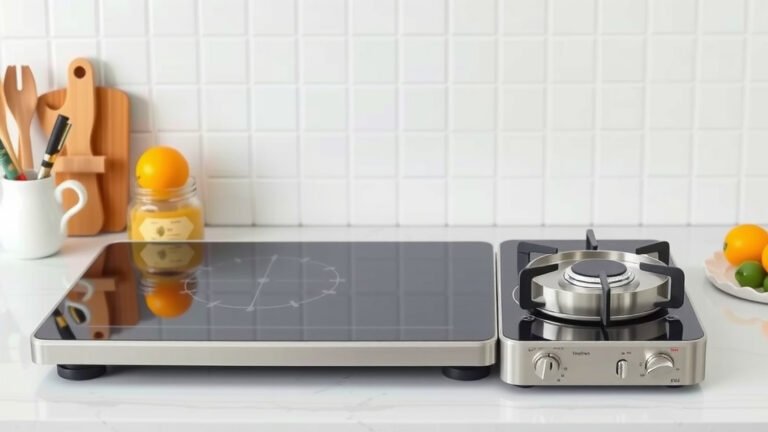
Here’s the short answer: induction cooktops heat the pan, not the stove. Under the glass surface sits a copper coil. When you turn the burner on, electricity flows through that coil and creates a magnetic field.
That magnetic field only reacts with magnetic cookware. Your cast iron skillet or stainless steel pot becomes the heat source. The burner itself stays relatively cool to the touch.
Think of it like rubbing your hands together to warm them up. The heat happens in the pan, right where your food is. Nothing wasted on heating up a burner first.
Burn Risks: Why Induction Is Gentler on Your Skin
Burns are the number one kitchen injury in American homes. So how does induction stack up? Pretty well, we found.
No Open Flames, No Glowing Coils
Gas stoves have open flames. Electric coil stoves have glowing red elements. Both can catch sleeves, towels, or curious little fingers off guard.
Induction has none of that. The glass surface stays much cooler than a traditional burner. Yes, it can get warm from the hot pan sitting on it, but it cools down fast once you remove the cookware.
Research published by the NIH on pediatric burn injuries shows stove contact is a leading cause of childhood burns. A cooktop that stays cool is a real advantage for families.
Built-In Safety Features
Most modern induction cooktops come with smart extras:
- Auto shut-off if no pan is detected or a pan is removed.
- Child locks that stop kids from turning burners on.
- Residual heat indicators that light up if the surface is still warm.
- Overflow detection that cuts power if something boils over.
Gas and standard electric stoves rarely offer this kind of backup. Induction basically watches your back while you cook. Our complete guide to induction hob safety features covers these backups in more detail.
EMF Exposure: What the Science Says
Let’s tackle the big question head-on. Do induction stoves give off electromagnetic fields (EMFs)? Yes, they do. Is that dangerous? Research says no.
Induction cooktops emit extremely low-frequency EMFs, similar to what you’d get from a refrigerator or a hair dryer. The World Health Organization and the FDA have both reviewed low-frequency EMF exposure, and neither links it to serious health risks at household levels.
Plus, the EMFs from an induction burner drop off fast with distance. Stand even a few inches away, and your exposure is tiny. Your phone probably gives you more electromagnetic interaction in a day.
What If You Have a Pacemaker?
This is the one group that should pause and think. The concern is whether the electromagnetic field could interfere with a pacemaker or implanted defibrillator.
Here’s the reassuring part: research published in the journal Circulation found that induction cooktops pose a very low risk for most pacemaker users, as long as you keep a reasonable distance (about 24 inches) between the implant and the active burner.
The Cleveland Clinic and most cardiologists recommend a simple rule of thumb: use the burner on the opposite side of your body, don’t lean over a cooking pot, and ask your doctor at your next checkup if you have concerns.
Cookware Matters More Than You Think
Induction only works with magnetic pans. That’s not a safety rule—it’s physics. But the right cookware does affect how safely your cooktop behaves.
We found that most cookware brands now mark induction compatibility right on the box. Look for the coil symbol or test your pan with a magnet. If the magnet sticks to the bottom, you’re good to go.
| Cookware Type | Works on Induction? | Notes |
|---|---|---|
| Cast iron | Yes | Heavy but perfect for induction |
| Most stainless steel | Yes | Check for a magnetic bottom |
| Copper | Usually no | Works only if it has a magnetic layer |
| Aluminum | Usually no | Unless the base is induction-ready |
| Glass or ceramic | No | Not magnetic, so no heat |
Why Pan Size and Placement Count
Induction burners detect the pan’s size. If your pan is much smaller than the burner zone, the cooktop may shut off or heat unevenly. Matching pan size to burner size keeps things efficient and safe.
Indoor Air Quality: A Hidden Benefit
Here’s something that might surprise you. Gas stoves release nitrogen dioxide and carbon monoxide into your kitchen, even when they’re working properly. The EPA notes these pollutants can build up indoors, especially without good ventilation.
Induction cooking produces no combustion gases at all. That’s a big deal for anyone with asthma or allergies. Some public health researchers have even suggested induction as a way to improve indoor air quality at home.
Your food can still char and smoke, of course. So keep using your range hood when you sear a steak. But the air you breathe will be noticeably cleaner.

Everyday Safety Tips for Your Induction Cooktop
Induction is safe by design, but a few habits make it even better. Here’s our quick safety checklist:
- Turn pot handles toward the back, away from busy hands.
- Don’t place metal utensils or foil directly on the glass surface.
- Wipe up spills quickly—sugar and salt can damage hot glass.
- Use flat-bottomed pans for the best contact and even heating.
- Keep a magnet on the fridge to test new cookware before you buy.
- Check with your doctor if you have a pacemaker or similar device.
Common Myths, Cleared Up
Let’s bust a few things you may have read online.
“Induction Radiation Will Harm You”
The word “radiation” sounds scary, but induction uses the same low-frequency energy as your toaster. There’s no ionizing radiation involved—nothing like X-rays. The FDA confirms this type of EMF is not linked to health harm at household levels.
“The Surface Never Gets Hot”
Mostly true, but not entirely. The glass can get warm from heat transfer off your hot pan. It’s like a plate that held hot soup—the plate didn’t cook the soup, but it got warm anyway. So still use care, especially with kids around.
“Induction Is Only for Fancy Chefs”
Not anymore. Prices have come way down, and portable single-burner units cost about the same as a nice dinner out. Millions of home kitchens now use induction every day.
So, Should You Make the Switch?
If safety is your top concern, induction checks a lot of boxes. No flames, cool surfaces, auto shut-off, and cleaner air. The main homework is making sure your cookware is compatible.
Many experts say the biggest risks in any kitchen come from human habits, not the stove type. And honestly, that’s true whether you cook with gas, electric, or induction.
Start small if you’re unsure. A portable induction burner lets you try it out without replacing your whole range. Cook a few meals, get a feel for it, and see if it clicks for you—pun fully intended.
Conclusion
After digging through the research, we’re comfortable saying induction cooking is one of the safest options for your kitchen. You get no open flames, a surface that stays cool, automatic shut-off features, and cleaner indoor air than gas can offer. The EMF concerns we hear about simply don’t hold up at household levels. Your real to-do list is short: grab a magnet, check your pans, and turn handles inward while you cook. If you’re still on the fence, pick up a portable induction burner and try a few meals first. Once you feel how fast and controlled it is, you may never look back.
Frequently Asked Questions
Can induction cooktops catch fire?
Fires from induction cooktops are very rare. There’s no flame or glowing element to ignite nearby items. The bigger fire risk comes from what’s in the pan—like oil left overheating—so stay present while frying.
Is it safe to touch an induction stove while it’s on?
The glass surface stays cool enough that a brief touch won’t burn you. That said, it can get warm from a hot pan sitting on it. Use the same care you would with any appliance that’s been cooking.
Do induction stoves use more electricity than gas?
They typically use less. Induction transfers about 85% of its energy directly into your food, while gas wastes much of its heat into the air. That efficiency can show up as slightly lower energy bills over time.
Are portable induction burners as safe as built-in ones?
Yes, quality portable units carry the same core safety features, including auto shut-off and pan detection. Buy from a reputable brand, keep the cord away from the stovetop, and place the unit on a flat, stable surface.
Can you get burned by induction cooking?
You can, but it’s far less likely than with gas or coil stoves. Burns usually come from touching the hot pan itself or splattering oil, not the cooktop. The cool surface just removes one of the biggest hazards.